
If you have oily skin, your routine likely revolves around finding the right cleanser, the perfect mattifying moisturizer, or a miracle clay mask. But dermatologists point to a simpler, often overlooked daily practice that can make a more significant difference than any single product. It’s not about adding another step; it’s about perfecting one you’re probably already doing.
The cornerstone of managing oily skin is consistent, gentle cleansing. Yet, the habit most people miss isn't the act of washing their face—it's how and when they do it. The missed opportunity lies in the method and timing, turning a potential solution into a contributor to the problem.
Why the Right Cleansing Habit Matters for Oily Skin
Oily skin is characterized by overactive sebaceous glands. The instinct is to attack that oil aggressively, scrubbing it away with harsh products. This approach can backfire dramatically. Stripping the skin too harshly signals your glands to produce even more oil to compensate for the perceived dryness, creating a frustrating cycle of shine and congestion.
Gentle cleansing, performed correctly, removes excess oil, sweat, and impurities without compromising the skin's essential barrier. This helps keep pores clear and prevents the buildup that leads to blackheads and breakouts. The goal is balance, not eradication.
Think of your skin's oil production like a thermostat. Harsh cleansing turns the heat up, while gentle, consistent care helps regulate it.
The One Daily Habit: Mindful, Twice-Daily Cleansing
So, what is the specific habit? It’s committing to a mindful cleanse, twice daily, using a technique that respects your skin. This means moving beyond a quick splash or an aggressive scrub. Here’s how to build that habit effectively.
1. Choose the Right Formula
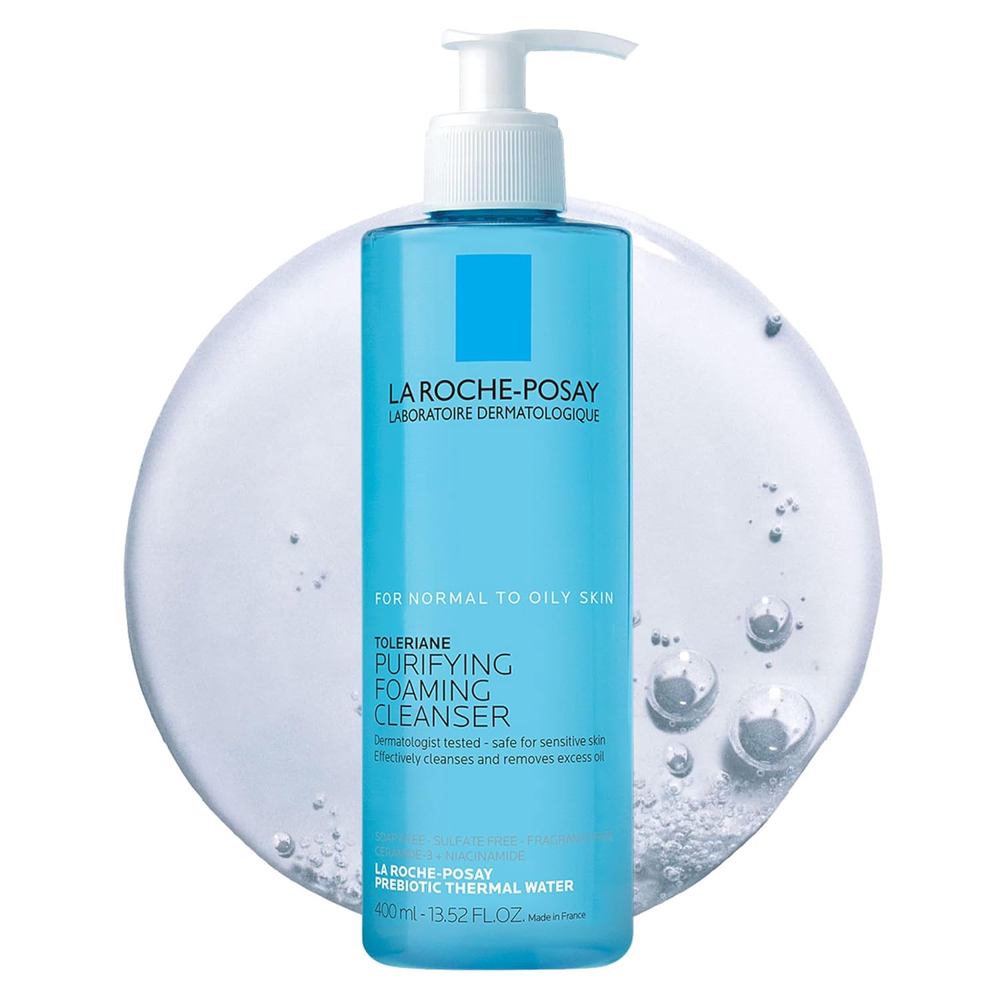
Opt for a gentle, water-soluble cleanser. Look for terms like "gel," "foaming" (but not overly drying), or "cream-to-foam" formulated for oily or combination skin. Avoid bar soaps and cleansers with high alcohol content or heavy fragrances, as these can be disruptive.
2. Use Lukewarm Water
Extreme temperatures can irritate the skin. Hot water may feel like it's dissolving oil, but it can inflame and dry out the skin's surface. Cold water doesn't effectively remove sebum and debris. Lukewarm water is the ideal middle ground.
3. Employ a Gentle Technique
Wet your face with lukewarm water. Apply a small amount of cleanser to your fingertips and massage it onto your skin using light, circular motions for about 60 seconds. This duration allows the cleanser to work without being abrasive. Focus on the oily zones—typically the forehead, nose, and chin (the T-zone)—but be gentle over the entire face.
4. Rinse Thoroughly and Pat Dry
This is a critical step often rushed. Spend time rinsing away all traces of cleanser. Left-behind residue can clog pores. Follow by gently patting your face dry with a clean, soft towel. Rubbing can tug at the skin and stimulate oil production.
Common Mistakes That Undermine the Habit
Even with good intentions, small errors can negate the benefits of cleansing.
- Over-cleansing: Washing more than twice a day, or in the middle of the day, can strip the skin.
- Using Tools Incorrectly: Washcloths or cleansing brushes can be helpful, but they must be clean and used with a light touch. A dirty tool spreads bacteria.
- Skipping the Evening Cleanse: This is non-negotiable. It removes the day's oil, pollution, sunscreen, and makeup, allowing your skin to breathe overnight.
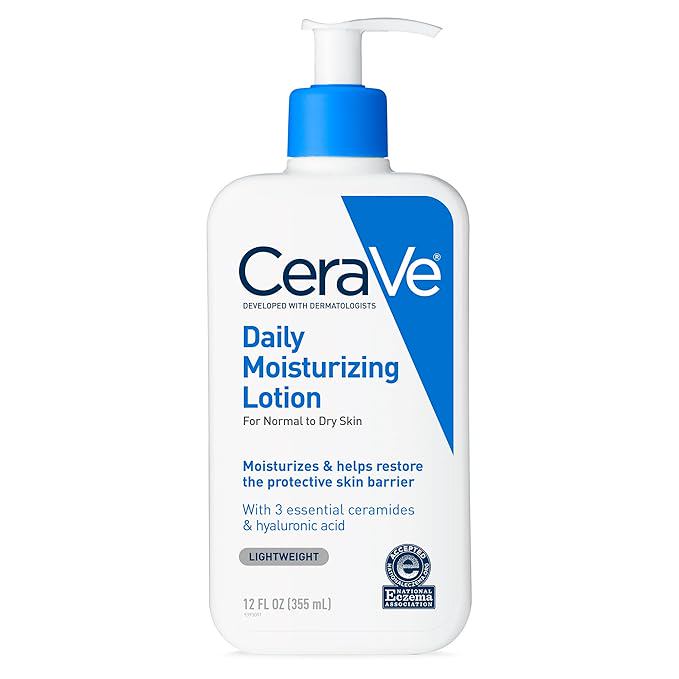
- Following with Harsh Products: Immediately after cleansing, avoid alcohol-heavy toners. Follow up with a lightweight, non-comedogenic moisturizer to hydrate without adding oil.
How This Habit Supports Your Other Products
A proper cleansing habit creates the ideal canvas for the rest of your skincare. Serums with ingredients like niacinamide or salicylic acid, and moisturizers with hyaluronic acid, can penetrate more effectively on a clean surface. When you skip this foundational step, other products sit on top of oil and debris, reducing their efficacy and potentially leading to clogged pores.
Managing oily skin is a marathon, not a sprint. The daily discipline of gentle, mindful cleansing is the steady rhythm that keeps everything else in harmony. It’s less about a dramatic product change and more about refining a fundamental practice with consistency and care.