
Building a lasting, effective routine for acne-prone skin often feels like solving a puzzle with moving pieces. What works one month might seem less effective the next, and the sheer volume of advice can be overwhelming. The goal isn't just to chase a single pimple, but to cultivate a stable, resilient skin environment where breakouts are the exception, not the rule. This requires a shift from reactive spot-treating to proactive, consistent care.
Dermatologists emphasize that long-term management hinges on understanding your skin's unique needs and committing to foundational practices. It's less about harsh, stripping treatments and more about gentle, strategic support that strengthens your skin barrier and addresses the root causes of acne over time. Let's explore the core steps that form the bedrock of a sustainable, dermatologist-informed approach.
What does a simple, effective daily routine look like?
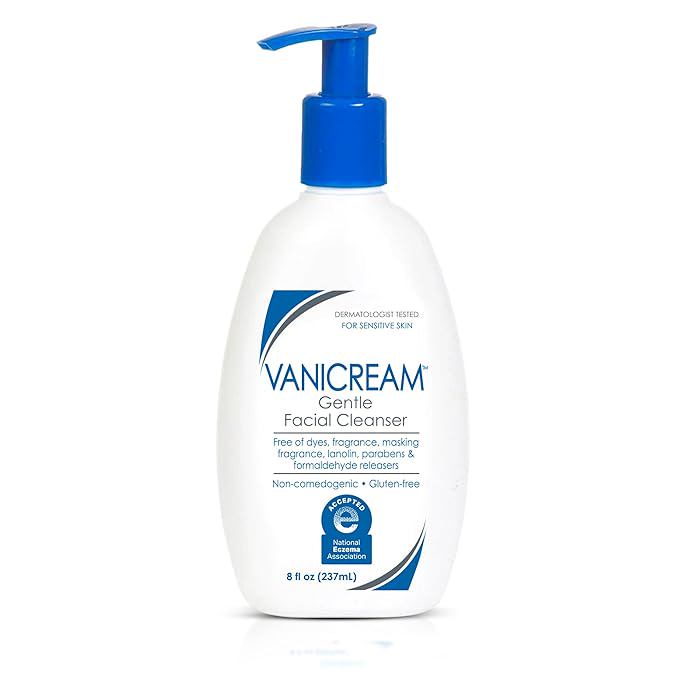
Consistency is your most powerful tool. A predictable routine allows your skin to find its balance. Start with a gentle, non-comedogenic cleanser, used twice daily. The purpose is to remove excess oil, sweat, and debris without disrupting the skin's protective mantle. Harsh scrubs or soaps that leave your skin feeling tight and squeaky can actually trigger more oil production as a rebound effect.
Follow cleansing with a treatment step containing proven active ingredients. For many, this is where a leave-on product with salicylic acid or benzoyl peroxide comes in. Salicylic acid, a beta-hydroxy acid, excels at dissolving the mix of oil and dead skin cells inside pores. Benzoyl peroxide targets the acne-causing bacteria (Cutibacterium acnes) and helps reduce inflammation. The key is to use these consistently at a low concentration (e.g., 2.5% benzoyl peroxide is often as effective as 10% with far less irritation) rather than aggressively at the first sign of trouble.
Think of your routine as a daily conversation with your skin—gentle, respectful, and consistent.
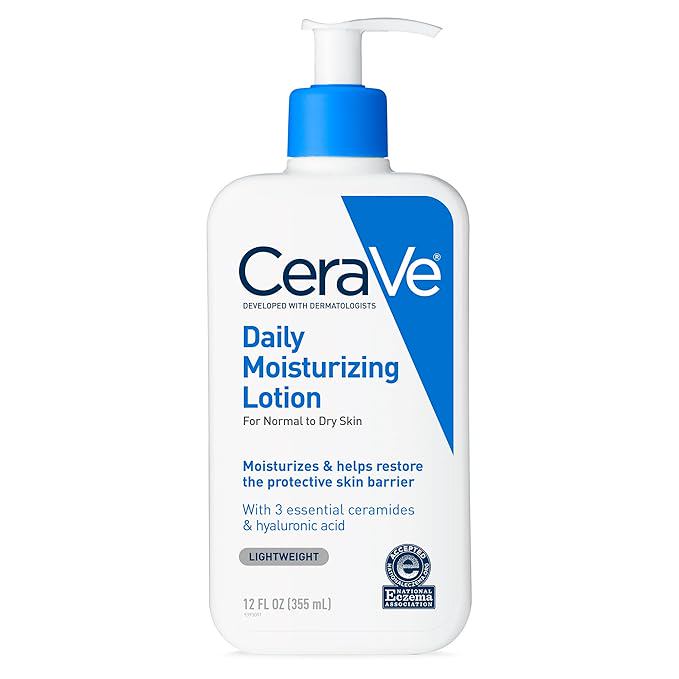
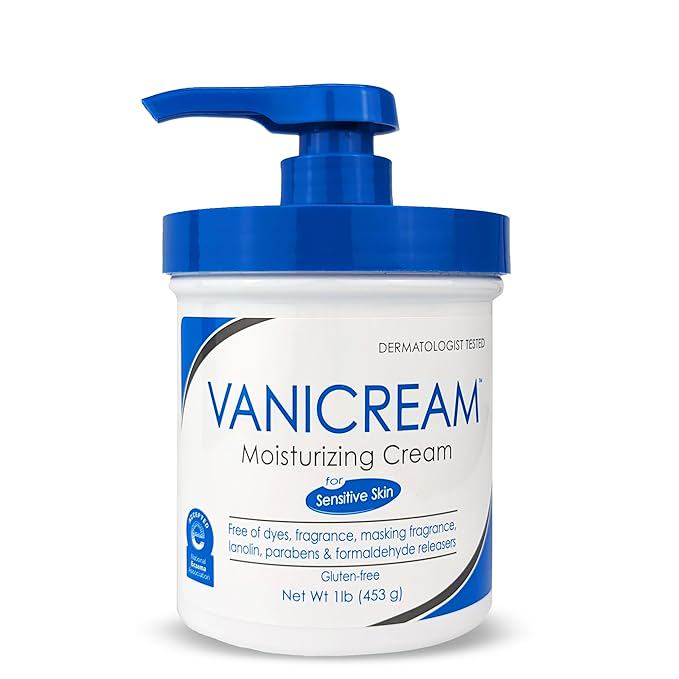
No routine is complete without moisturizer. Even oily, acne-prone skin needs hydration. A lightweight, oil-free, non-comedogenic moisturizer helps maintain a healthy skin barrier. When your skin is properly hydrated, it's less likely to overcompensate by producing excess oil. Finally, every morning, apply a broad-spectrum sunscreen with an SPF of 30 or higher. Many acne treatments can increase sun sensitivity, and sun damage can worsen post-inflammatory hyperpigmentation (the dark marks left after a pimple heals). Look for sunscreens labeled non-comedogenic or “for acne-prone skin,” often with mineral filters like zinc oxide which are less likely to cause irritation.
Which ingredients should you build your routine around?
Navigating skincare labels is easier when you know what to look for. Beyond the classic salicylic acid and benzoyl peroxide, several other ingredients have strong dermatological backing for long-term acne management.
- Retinoids: These vitamin A derivatives (like adapalene, which is available over-the-counter, or prescription tretinoin) are considered a cornerstone of long-term care. They work by accelerating cell turnover, preventing pores from clogging, and reducing inflammation. They require patience, as skin may undergo a brief adjustment period, but they offer profound benefits for both active acne and texture over months and years of use.
- Niacinamide: This form of vitamin B3 is a multi-tasking ally. It helps regulate oil production, soothes redness and inflammation, and strengthens the skin barrier. Its gentle nature makes it easy to incorporate alongside other actives.
- Azelaic Acid: Excellent for addressing both inflammatory pimples and the post-acne marks they leave behind. It has anti-inflammatory and antimicrobial properties and can help even out skin tone.
The philosophy is to introduce one new ingredient at a time, starting with a lower frequency (like every other night) to see how your skin responds. A routine with too many actives used simultaneously is a fast track to irritation, which can mimic or worsen acne.
How do lifestyle habits support your skin care?
Your skin reflects your overall well-being. While topical products do the direct work, certain lifestyle factors create the internal environment where they can succeed.
Dietary considerations are often personal. There's no universal “acne diet,” but some individuals notice a correlation between high-glycemic foods (like sugary snacks, white bread, and sodas) and dairy products with their breakouts. The connection isn't about “dirty” food, but rather how these foods can influence hormone levels and inflammation in some people. Paying gentle attention to how your skin reacts after certain meals can provide useful personal clues.
Stress management is non-negotiable. Stress triggers the release of cortisol, a hormone that can stimulate oil glands. Incorporating simple practices like mindful breathing, a daily walk, or prioritizing sleep isn't just good for your mind—it's a direct investment in your skin's calmness.
Be mindful of habitual touching. Resting your chin on your hand, picking, or popping pimples introduces bacteria and causes trauma that can lead to worse inflammation and lasting scars. Keeping hair clean and off the face, and regularly washing pillowcases and phone screens, also reduces the transfer of oil and bacteria.
When is it time to see a professional?
A dermatologist is your partner for the long haul. Consider scheduling a consultation if your acne is moderate to severe, causes pain, is leading to scarring, or simply isn't responding to a diligent over-the-counter routine after several months. They can provide a precise diagnosis (what looks like acne might sometimes be rosacea or another condition), offer prescription-strength treatments like oral or topical antibiotics, hormonal therapies like spironolactone, or isotretinoin for severe, resistant cases.
Professional treatments like chemical peels, laser therapy, or corticosteroid injections for large cysts can be powerful adjuncts to a home care plan. A dermatologist helps you navigate these options safely and effectively, tailoring a long-term strategy that evolves with your skin.
Patience and perspective are part of the process
Long-term care means measuring progress in weeks and months, not days. It’s normal to have fluctuations, especially with hormonal cycles. The aim is overall improvement and resilience, not perfection. Be kind to your skin—and yourself—throughout the process. This calm, consistent approach is what ultimately builds the clear, healthy skin you're working toward.