If you thought acne was a teenage rite of passage, adult breakouts can feel like a betrayal. The skin you thought had settled into its mature phase suddenly flares with bumps, cysts, and redness, often at the most inopportune times. The good news is that you don't have to navigate this alone. Dermatologists have a toolkit of effective, non-prescription ingredients that can form the backbone of a powerful at-home routine. The key is understanding which ones to use, how to use them correctly, and managing expectations for a process that requires consistency, not miracles.
Adult acne often behaves differently than its teenage counterpart. It tends to be more inflammatory, appearing as deeper, tender cysts along the jawline, chin, and cheeks. Hormonal fluctuations, stress, lifestyle changes, and even the products we use in our anti-aging routines can all be culprits. This complexity means the solution isn't a single magic bullet, but a strategic approach built on proven actives that address multiple causes: clogged pores, bacteria, inflammation, and excess oil.
What makes an ingredient "dermatologist-recommended"?
When dermatologists point to an over-the-counter ingredient, it's not based on trend or marketing. It's grounded in decades of clinical research demonstrating its efficacy and safety profile. These ingredients have a known mechanism of action—they exfoliate, reduce inflammation, kill acne-causing bacteria, or regulate sebum. They are the building blocks dermatologists often suggest before, alongside, or sometimes after prescription treatments, giving you a solid foundation for managing your skin.
The core ingredients for your at-home arsenal
Think of these not as alternatives to professional care, but as the essential tools for daily maintenance. If your acne is severe, painful, or causing scarring, a consultation with a dermatologist is the most important step you can take. For persistent, low-to-moderate adult acne, these are the workhorses.
Salicylic Acid: The pore decongestor
This beta-hydroxy acid (BHA) is oil-soluble, meaning it can dive into pores to dissolve the mix of sebum and dead skin cells that form clogs. It’s particularly excellent for blackheads and whiteheads. For adult skin, look for leave-on formulations like toners or serums at concentrations between 0.5% and 2%. Using it a few times a week can help keep pores clear without the harsh stripping that can trigger more oil production.
Start slow: introduce salicylic acid 2-3 times per week to see how your skin tolerates it before moving to daily use.
Benzoyl Peroxide: The bacteria fighter
This ingredient works by releasing oxygen into the pore, creating an environment where acne-causing bacteria (C. acnes) cannot thrive. It’s a potent anti-inflammatory and is superb for red, angry pimples. It can be drying and may bleach fabrics, so proceed with care. Lower concentrations (2.5% or 5%) are often just as effective as 10% with less irritation. A short-contact wash-off treatment—applying a cleanser, leaving it on for a minute or two, then rinsing—can minimize side effects while maintaining benefits.
Retinoids (Retinol & Adapalene): The cell regulators
This is where at-home care gets powerful. Retinoids, vitamin A derivatives, work at a cellular level to increase skin cell turnover, preventing dead cells from clogging pores. They also have anti-aging benefits, making them a dual-threat for adult concerns.
- Retinol: Available in many serums and creams, it’s converted by the skin into retinoic acid. It’s effective but gentler than prescription versions.
- Adapalene: Once prescription-only, this third-generation retinoid is now available over the counter. It’s very effective for acne and is less irritating than some other retinoids. It’s also more stable when combined with benzoyl peroxide.
With any retinoid, patience is non-negotiable. Start by applying a pea-sized amount twice a week, always on dry skin, and gradually increase frequency as your skin adjusts. Redness and peeling are common initially.
Azelaic Acid: The gentle multitasker
For adult skin that is both acne-prone and sensitive or prone to redness, azelaic acid is a star. It gently exfoliates to unclog pores, reduces inflammation, and can help fade post-acne dark spots (post-inflammatory hyperpigmentation). It’s well-tolerated and can be used twice daily. This makes it an excellent option for those who find benzoyl peroxide too harsh or for addressing the lingering marks acne leaves behind.
Building a routine that works, not wrecks
The biggest mistake with effective ingredients is using them all at once. Your skin barrier—its protective outer layer—is your best asset. Stripping it leads to more inflammation, sensitivity, and often, more breakouts.
A minimalist, consistent approach always wins. A simple framework could look like this:
- AM: Gentle cleanser, antioxidant serum (like vitamin C), moisturizer, and always, sunscreen.
- PM: Gentle cleanser, alternating nights between your treatment actives (e.g., a retinoid one night, azelaic acid another), and moisturizer.
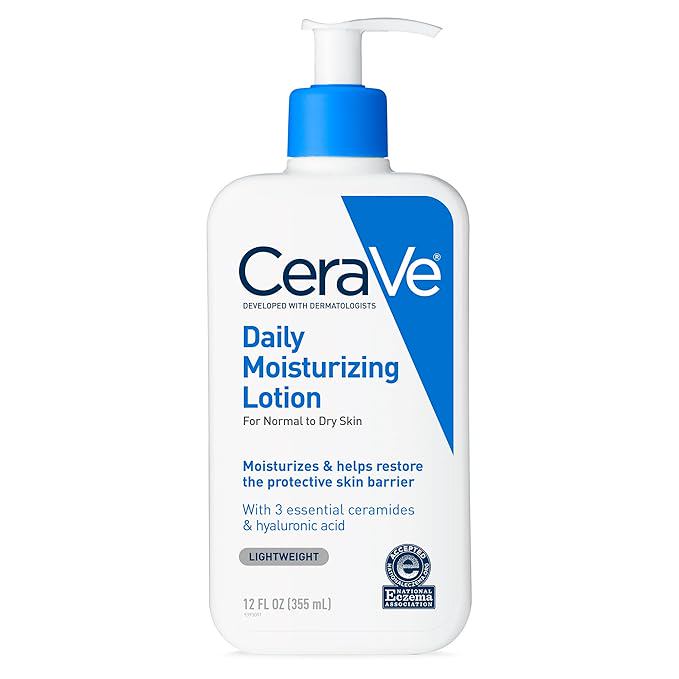
Never start salicylic acid, benzoyl peroxide, and a retinoid in the same week. Introduce one new product every two to three weeks. If you experience stinging, burning, or significant peeling, scale back. A basic, fragrance-free moisturizer is not optional—it helps repair the barrier and keeps irritation at bay.
What to look for in supporting products
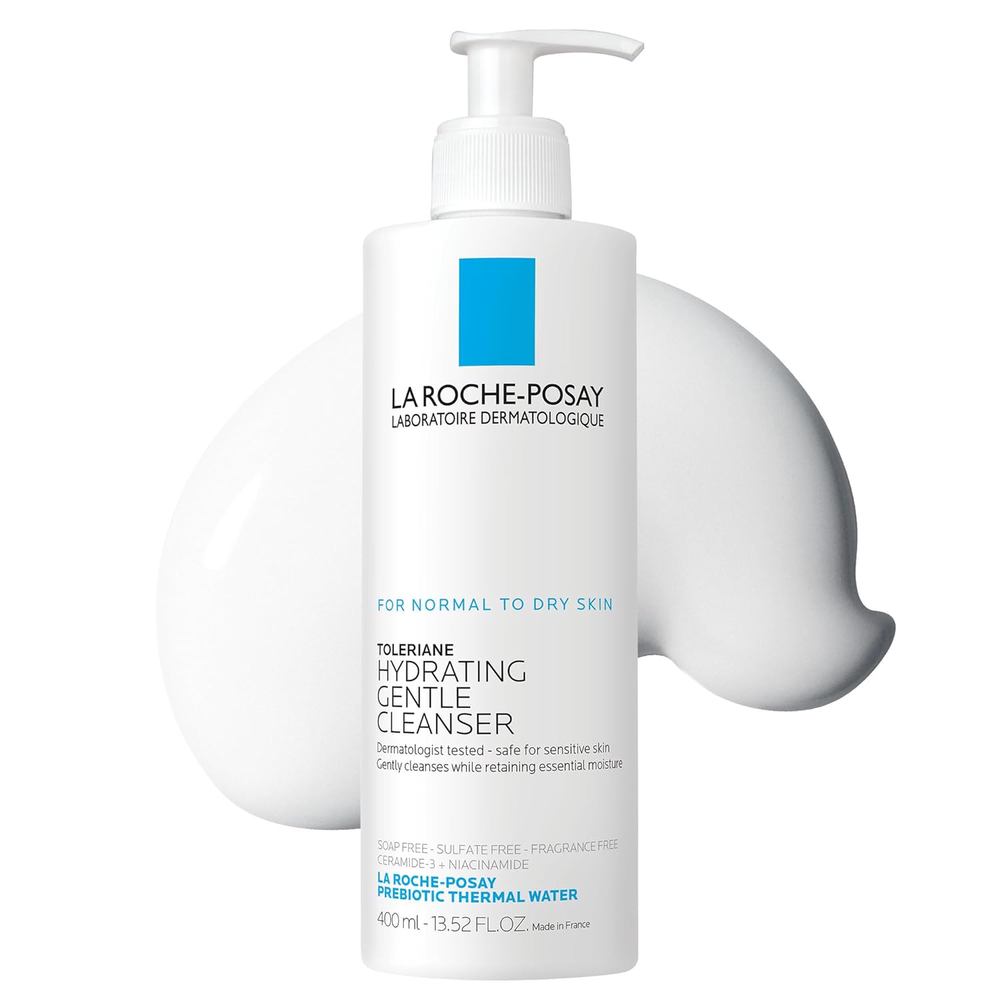
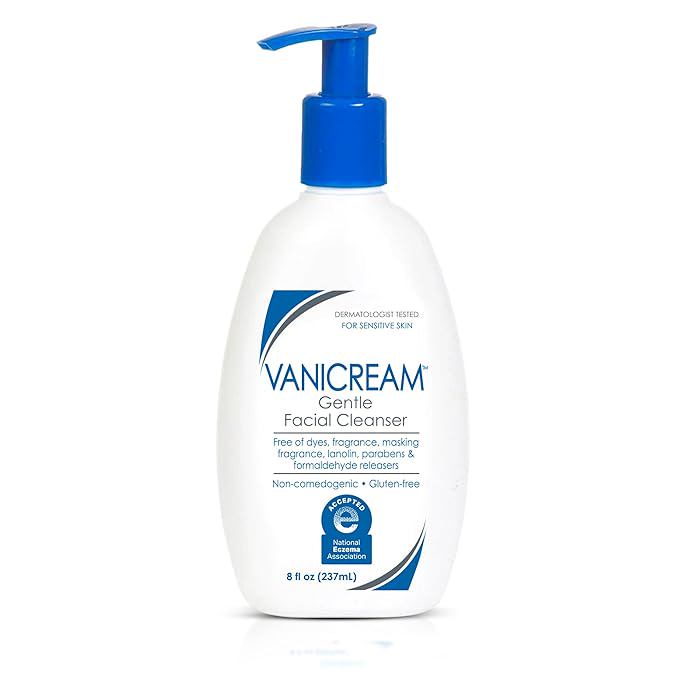
Your cleanser, moisturizer, and sunscreen should be calm, supportive players. Seek out terms like “non-comedogenic,” “oil-free,” and “fragrance-free.” Gentle, hydrating cleansers are preferable to foaming, stripping ones. Niacinamide, a form of vitamin B3, is a superb supporting ingredient found in many serums and moisturizers; it helps regulate oil, soothe redness, and strengthen the skin barrier.
Remember, treating adult acne at home is a marathon. It can take 6 to 8 weeks of consistent use to see significant results from ingredients like retinoids. The goal is gradual, sustained improvement, not overnight transformation. By choosing dermatologist-recommended ingredients and respecting your skin’s need for balance, you can build a routine that brings clarity and confidence back to your complexion.