
Dealing with cystic acne can feel like a lonely, frustrating battle. Unlike surface-level blemishes, these deep, painful nodules form far beneath the skin, often leaving behind redness and tenderness long before they ever come to a head. The approach to managing them requires a shift in mindset—from aggressive attack to consistent, gentle care that supports your skin’s health over the long term.
While there’s no one-size-fits-all cure, a structured daily routine built on dermatological principles can create an environment where your skin is less prone to severe flare-ups. This routine focuses on calming inflammation, protecting the skin barrier, and using proven ingredients at the right times. It’s about building habits that work with your skin, not against it.
What makes cystic acne different?
Cystic acne is more than just a big pimple. It occurs when a combination of oil, dead skin cells, and bacteria causes a deep rupture within the hair follicle, leading to significant inflammation in the surrounding tissue. This is why cysts feel tender and are often accompanied by redness and swelling that extends beyond the immediate bump. Because the inflammation is so deep, picking or harsh treatments can worsen the damage, potentially leading to scarring.
This depth is precisely why your daily routine matters so much. Surface-level exfoliants or spot treatments designed for whiteheads often can’t reach the source of the problem and may just irritate the surface. Effective management requires a holistic, consistent approach that addresses the underlying drivers of inflammation and supports the skin’s natural healing processes.
The morning routine: protection and prevention
Your morning ritual sets the tone for the day, focusing on gentle cleansing, treating inflammation, and—critically—applying sunscreen. Sun exposure can worsen post-inflammatory redness and hyperpigmentation, making any marks from cystic acne last longer.
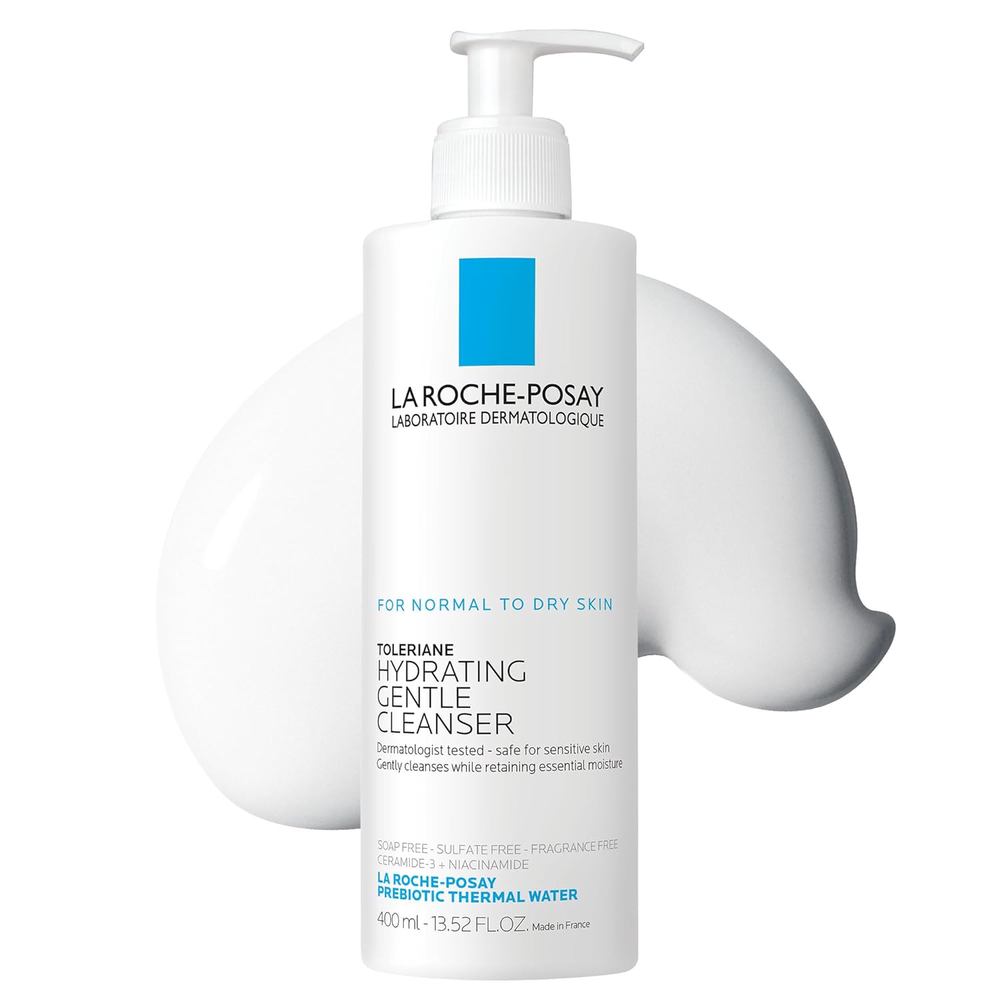
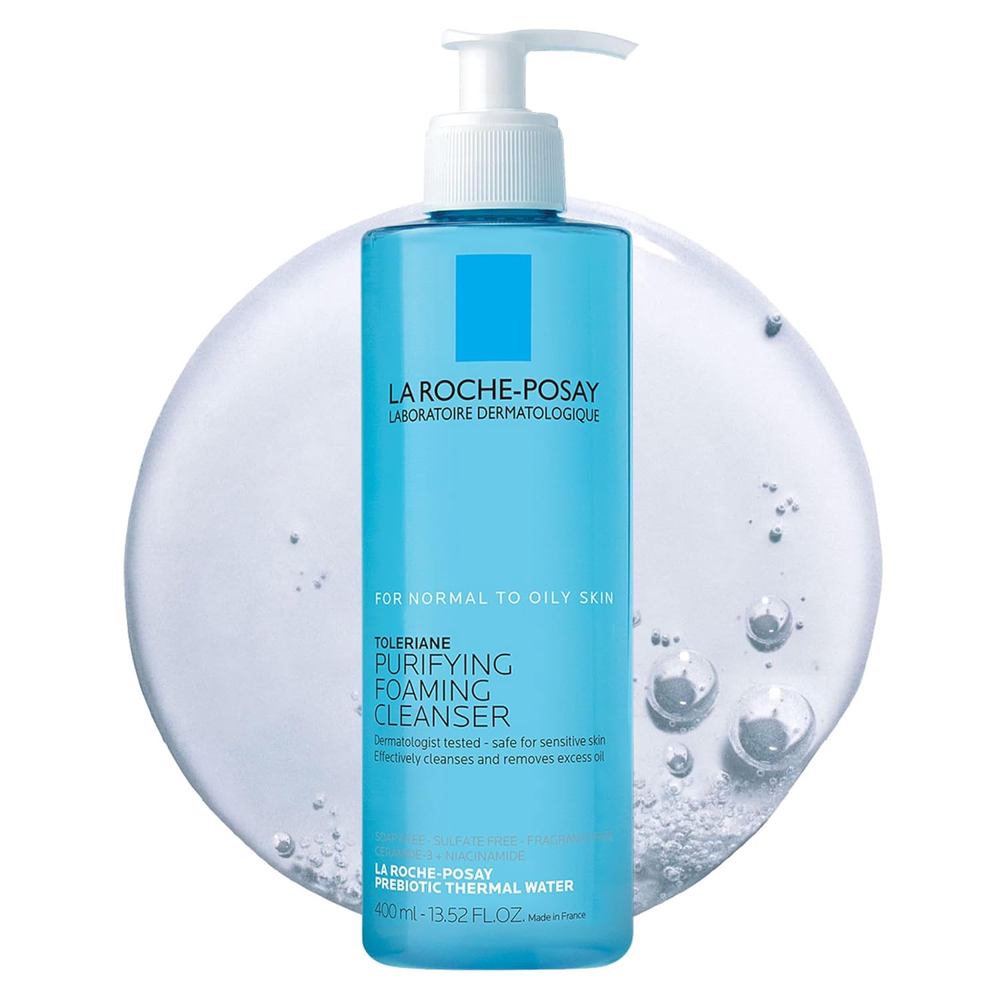
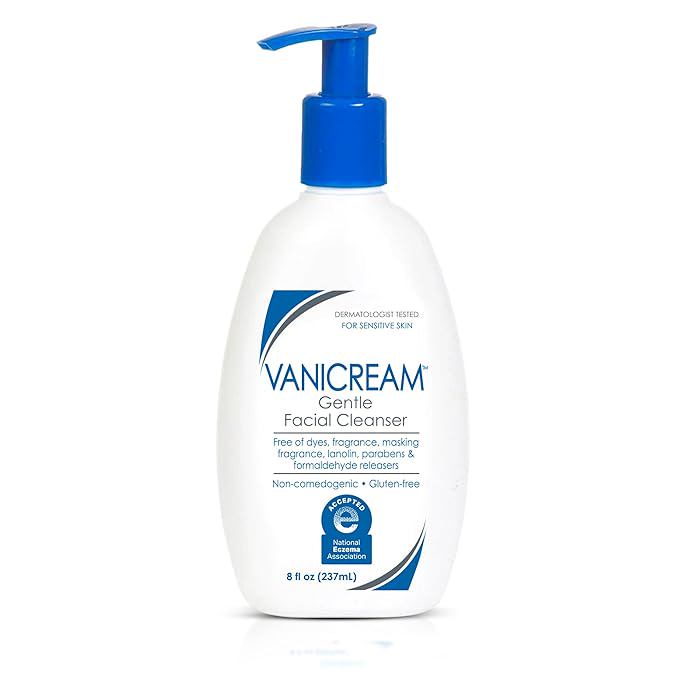
Cleanser: Start with a lukewarm water rinse or a gentle, non-foaming cleanser. The goal is to remove overnight product residue without stripping the skin. Harsh, squeaky-clean sensations signal your skin’s natural oils are being removed, which can trigger more oil production as a rebound effect.
Treatment (if applicable): If your dermatologist has recommended a leave-on treatment like a topical retinoid, the morning might be the time for a light, non-comedogenic moisturizer to reinforce your skin barrier. Some prescription treatments, like certain topical antibiotics or azelaic acid, are also used in the AM. Always follow your prescribed plan.
Sunscreen: This is non-negotiable. Choose a mineral-based sunscreen with zinc oxide or titanium dioxide, which are less likely to cause irritation. Look for formulas labeled “non-comedogenic” and “for sensitive skin.” Apply it as the final step in your morning routine, every single day, rain or shine.
The evening routine: treatment and repair
Nighttime is when your skin undergoes its most active repair. This is the ideal window to incorporate treatment ingredients that work to unclog pores and reduce inflammation while you sleep.
First cleanse: If you wear makeup or sunscreen, begin with a gentle micellar water or a cleansing balm to dissolve them. This prevents you from having to scrub later.
Second cleanse: Follow with your gentle facial cleanser to remove any remaining impurities. Pat your face dry with a clean towel—never rub.
Treatment application: This is typically when dermatologists recommend applying prescription-strength ingredients. After cleansing, wait 10-15 minutes for your skin to be completely dry. This minimizes potential irritation.
Apply treatment products to your entire affected area, not just individual spots. This method, called “field treatment,” helps prevent new cysts from forming.
Common dermatologist-recommended ingredients include:
- Retinoids (prescription): Like tretinoin or adapalene, they normalize skin cell turnover to prevent pores from clogging in the first place and reduce inflammation.
- Azelaic Acid: Helps reduce inflammation and can improve both active breakouts and post-acne marks.
- Benzoyl Peroxide: An antibacterial agent often used in wash-off forms to minimize irritation while targeting acne-causing bacteria.
Moisturize: Even oily, acne-prone skin needs hydration. A lightweight, non-comedogenic moisturizer helps maintain a healthy skin barrier, which is your first line of defense against irritation and infection. A compromised barrier can make everything worse.
What to avoid in your daily routine
Sometimes, what you don’t do is as important as what you do. Common missteps can sabotage even the most well-intentioned routine.
Avoid physical scrubs, rough washcloths, or cleansing brushes on active cystic acne. This physical trauma can rupture cysts under the skin, spreading inflammation and leading to more severe breakouts and scarring. Similarly, resist the powerful urge to pick or squeeze. The infection is too deep to be extracted safely at home, and picking dramatically increases scarring risk.
Be wary of layering multiple over-the-counter acne treatments (like a salicylic acid cleanser, a benzoyl peroxide spot treatment, and a retinol serum all at once). This “acne cocktail” approach often leads to a damaged, irritated, and painful skin barrier, making acne harder to treat. Simplicity and consistency are key.
When to see a dermatologist
A diligent daily routine is a powerful tool for management, but cystic acne often requires professional intervention. If your routine isn’t yielding improvement after 6-8 weeks of consistent use, or if your acne is causing significant pain or scarring, it’s time to consult a dermatologist.
They can provide access to prescription-strength topicals and oral medications that aren’t available over the counter. These may include oral antibiotics for their anti-inflammatory effects, hormonal treatments like birth control pills or spironolactone for hormonally-driven acne, or isotretinoin for severe, resistant cystic acne. A dermatologist can tailor a plan that addresses your specific type of acne and skin physiology.
Managing cystic acne is a marathon, not a sprint. Progress is measured in weeks and months, not days. By adopting a calm, consistent, and dermatologist-backed routine, you give your skin the stable foundation it needs to heal and find greater clarity.