
Oily skin can feel like a constant balancing act. You want to manage the shine and prevent breakouts, but you also don't want to strip your skin so severely that it retaliates with even more oil. It’s a common concern, and the key to managing it effectively lies not in harsh, quick fixes, but in a consistent, gentle routine that respects your skin’s natural biology. Dermatologists emphasize that long-term management is about partnership with your skin, not punishment.
The good news is that with the right strategies, you can achieve a clear, balanced, and healthy complexion. This approach focuses on understanding why your skin produces oil, selecting ingredients that work with that process, and building habits that support your skin barrier over time.
Why does my skin produce so much oil?
Sebum, the oil produced by your sebaceous glands, isn't the enemy. In fact, it's essential for keeping your skin hydrated and protected. It helps maintain your skin's barrier, locking in moisture and shielding against environmental irritants. The issue arises when these glands go into overdrive, producing excess sebum.
This overproduction can be influenced by several factors:
- Genetics: Often, if your parents had oily skin, you're more likely to have it too.
- Hormones: Androgens, hormones that increase during puberty, menstrual cycles, or times of stress, can stimulate sebaceous glands.
- Environment: Humid weather can make oiliness more apparent.
- Skincare Mistakes: Ironically, using products that are too harsh or drying can signal your skin to produce even more oil to compensate for the perceived lack of moisture.
The goal isn't to eliminate oil, but to normalize its production and keep it from clogging pores.
Building a gentle, effective daily routine
A sustainable routine for oily skin rests on three pillars: cleansing, treating, and moisturizing—all done with a light touch.
Cleanse with care
Start and end your day with a gentle, water-soluble cleanser. Look for formulas with ingredients like salicylic acid, niacinamide, or green tea extract. These can help dissolve oil and calm inflammation without disrupting your skin's pH.
Avoid: Harsh bar soaps, scrubbing aggressively, or using water that's too hot. These can damage your skin barrier, leading to more problems.
Incorporate targeted treatments
After cleansing, this is where you can address specific concerns like clogged pores or shine. Key dermatologist-recommended ingredients include:
- Salicylic Acid (BHA): This oil-soluble ingredient can exfoliate inside the pore lining, helping to clear and prevent blackheads and whiteheads.
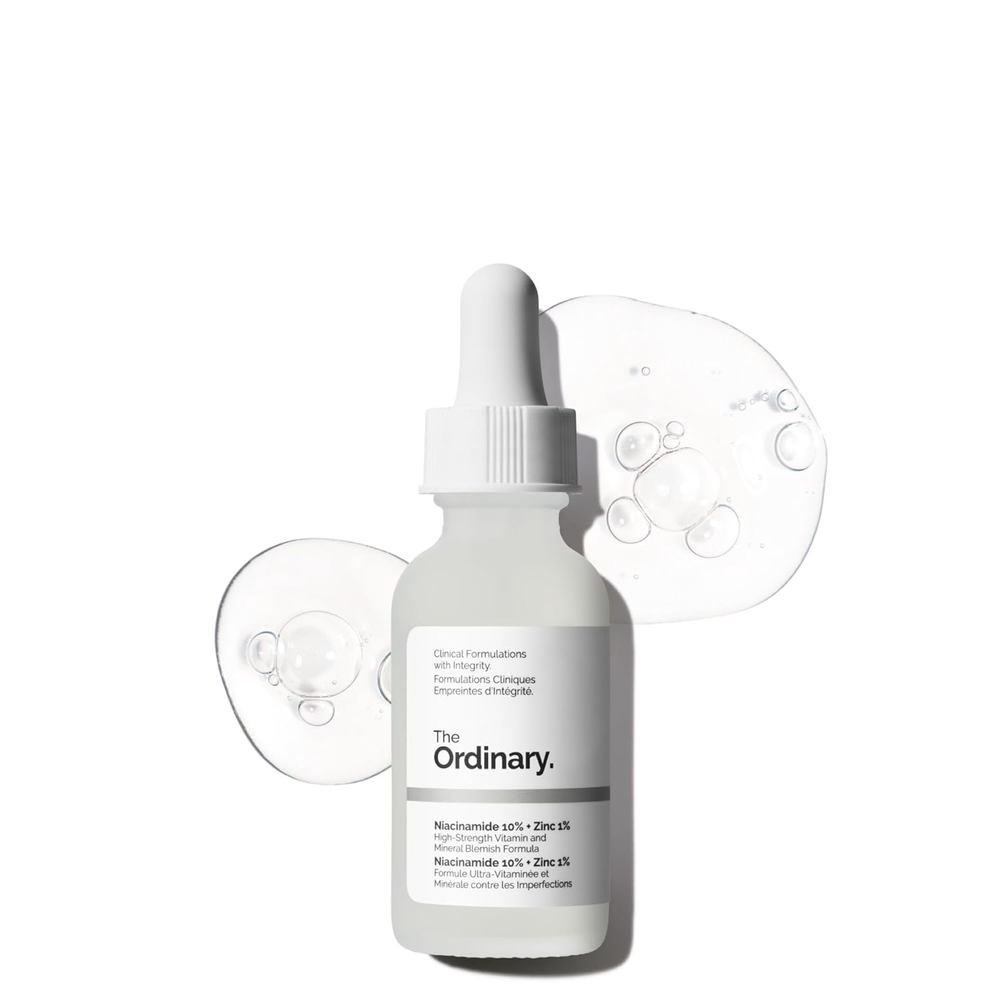
- Niacinamide (Vitamin B3): A multitasking hero that can help regulate sebum production, improve the appearance of pores, and strengthen the skin barrier.
- Retinoids (like retinol): Over time, these vitamin A derivatives can normalize skin cell turnover, preventing dead cells and oil from clogging pores. Start slowly to allow your skin to adjust.
Use these treatments sparingly—often just a few times a week is enough to see benefits without causing irritation.
Moisturize, always
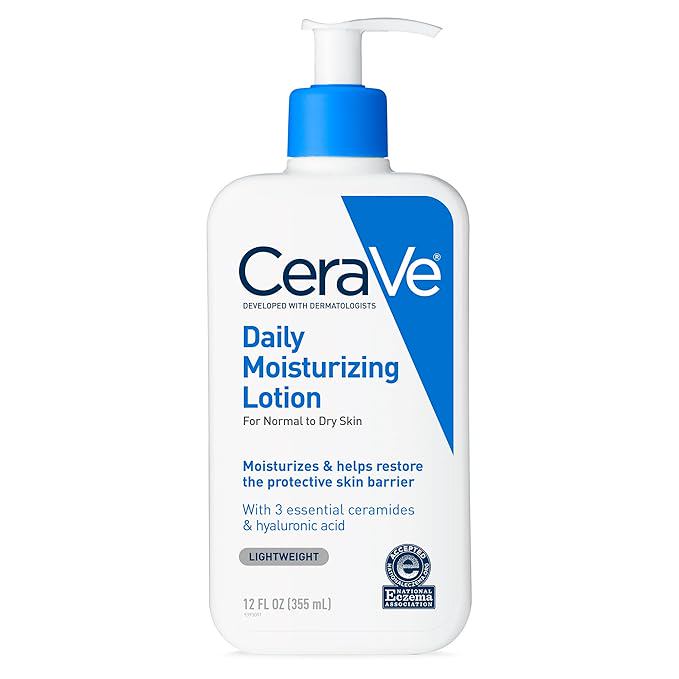
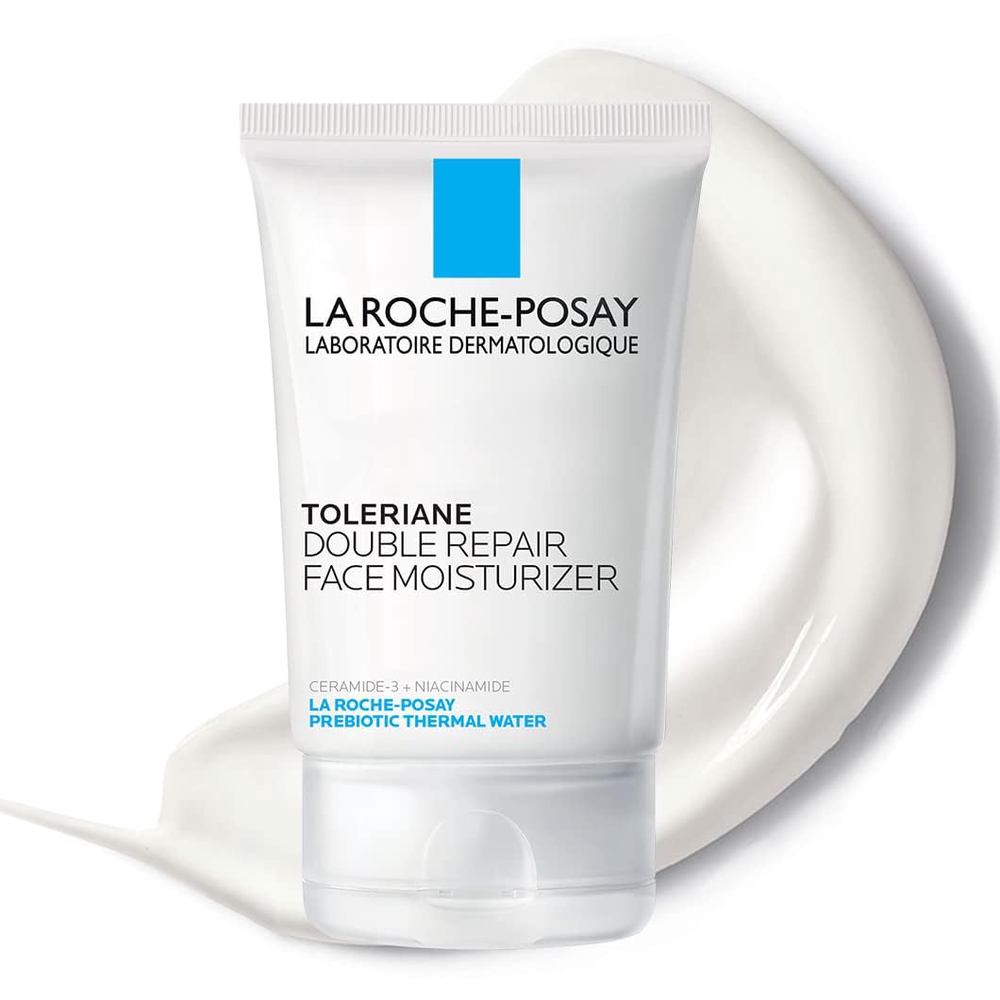
This is the step many with oily skin skip, but it's crucial. When your skin is dehydrated, it may produce more oil. The trick is to choose a lightweight, oil-free, or gel-based moisturizer. Look for non-comedogenic formulas with ingredients like hyaluronic acid, which provides hydration without a heavy feel.
Lifestyle habits that support your skin
What you do outside your skincare routine matters just as much. Long-term management extends beyond the bathroom sink.
Be mindful of your diet. While no single food causes oily skin, some studies suggest diets high in refined sugars and dairy may influence oil production and inflammation for some people. Paying attention to how your skin reacts can be informative.
Manage stress. Chronic stress elevates cortisol levels, which can stimulate oil glands. Incorporating stress-reducing practices like walking, meditation, or adequate sleep can have a positive impact on your complexion.
Choose non-comedogenic makeup and sunscreen. Always opt for oil-free, non-comedogenic makeup to avoid clogging pores. And never skip sunscreen—sun damage can thicken the skin and worsen the appearance of pores. Look for lightweight, mineral-based (zinc oxide, titanium dioxide) or gel formulations.
Don't over-wash or over-touch. Washing more than twice a day can be counterproductive. Similarly, constantly touching your face transfers bacteria and oil. Try to keep hands, phones, and pillowcases clean.
When to see a dermatologist
If you've built a consistent, gentle routine for several months and are still struggling with severe oiliness, persistent acne, or inflammation, it's time to consult a professional. A dermatologist can assess your skin and may prescribe stronger treatments, such as topical retinoids, oral medications like spironolactone (which can address hormonal contributors), or in-office procedures like chemical peels or laser therapies. They provide personalized guidance you can't get from over-the-counter products alone.
Remember, managing oily skin is a marathon, not a sprint. Patience and consistency with dermatologist-approved strategies will lead to a healthier, more balanced complexion that feels comfortable in its own skin.