
Acne is frustrating enough while it's active. When it finally clears and leaves behind marks or texture changes, it can feel like a cruel second act. Dark spots, redness, or subtle depressions on the skin are common after breakouts. The natural instinct might be to attack these scars with strong treatments. However, many dermatologists advise a different approach: a gentle, consistent skin-care routine can address discoloration and surface texture just as effectively as harsh products, often with less irritation and better long-term results.
The key shift is moving from a mindset of "aggressive repair" to one of "calm rebuilding." Harsh exfoliants, abrasive scrubs, and high-concentration active ingredients can trigger inflammation, which makes dark spots (post-inflammatory hyperpigmentation) worse and can delay collagen remodeling. A gentle routine supports the skin's barrier, reduces inflammation, and allows targeted ingredients to work gradually without overwhelming the skin.
How do acne scars form, and why does gentle treatment help?
Acne scars form when the skin's inflammatory response damages the deeper layers. The body attempts to repair this damage with collagen. Sometimes it produces too much collagen, creating a raised scar. More often, collagen is lost, leading to a depressed or 'atrophic' scar, such as an icepick or rolling scar. Dark spots and red marks (post-inflammatory erythema) are not true scars but stubborn color changes that can last for months.
Aggressive treatments—like high-strength chemical peels or intense scrubbing—can disrupt the healing process. They strip the stratum corneum, increase transepidermal water loss, and instigate more inflammation. Gentle care, in contrast, creates an environment where the skin can naturally repair itself. It reduces oxidative stress and gives melanocytes time to normalize pigment production. Consistency over intensity is the guiding principle here.
Core components of a gentle anti-scar routine
Cleansing: Soothing and non-stripping
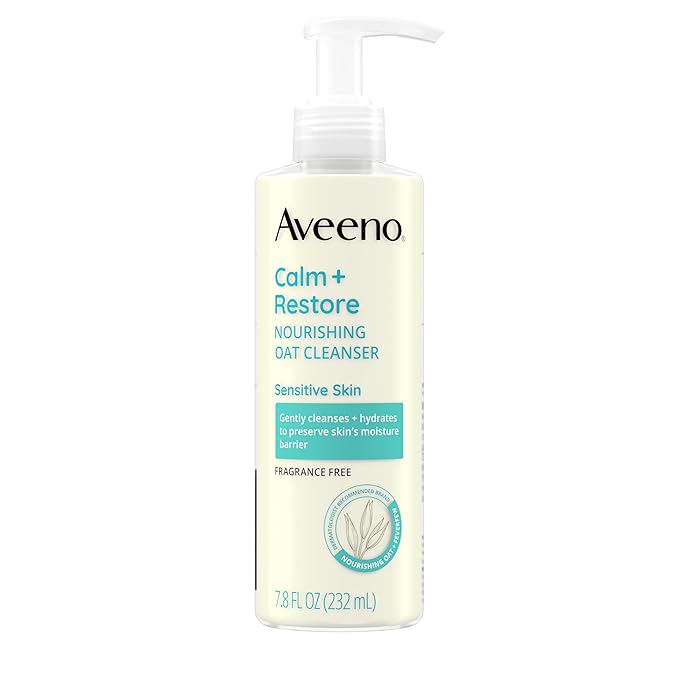
A gentle cleanser sets the foundation for everything that follows. Look for a creamy, non-foaming formulation (low pH, around 5.0–5.5) that removes oil and debris without leaving the skin feeling tight or dry. Ingredients like ceramides, glycerin, or even colloidal oatmeal can help maintain barrier function. Wash twice daily, using lukewarm water and light pressure—no aggressive rubbing.
Targeted treatment: The real workhorses
Instead of using a single high-concentration active, build a slow, cumulative approach. A few evidence-backed gentle ingredients are especially effective for scars and dark marks:
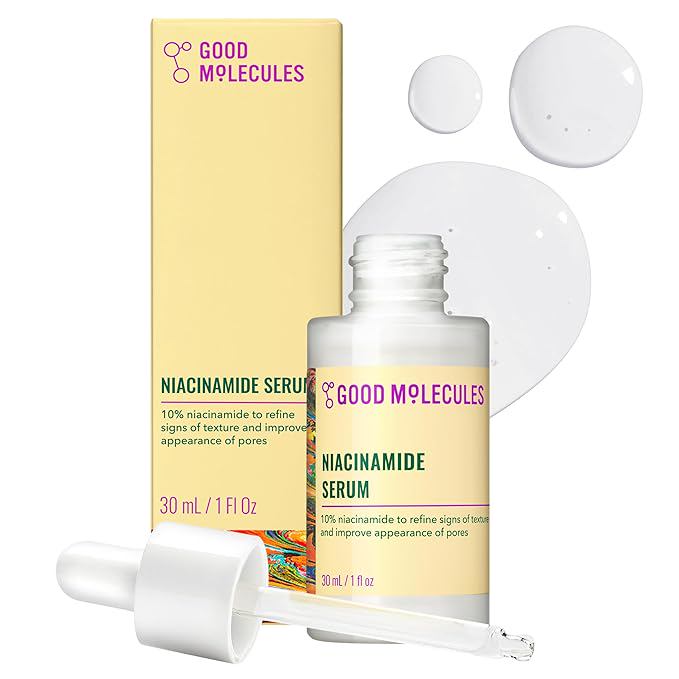
- Niacinamide (Vitamin B3): This is a standout ingredient for post-acne marks. It reduces inflammation, inhibits melanosome transfer (helping fade dark spots), and boosts ceramide production. A 4–5% concentration is effective and gentle for most users.
- Azelaic Acid (10% or lower): Azelaic acid is a gentle multitasker that reduces redness and dark spots while also being anti-inflammatory. It works well for both active acne and lingering marks. It is especially helpful for those with deeper skin tones, where hyperpigmentation is a primary concern.
- Vitamin C (Ascorbic Acid or L-Ascorbic Acid, 10–15%): In a stable, low-pH formula, Vitamin C is a powerful antioxidant that brightens skin and supports collagen synthesis. It can sting sensitive skin, so starting with a lower percentage and buffering it with moisturizer can help.
- Retinoids (Gentle, over-the-counter): Adapalene (0.1%) is available over-the-counter and is much less irritating than tretinoin. It accelerates skin cell turnover and encourages collagen production to improve texture over months. A 'sandwich' method (moisturizer, then retinol, then moisturizer) helps buffer irritation.
Moisturizing: Not optional
A well-hydrated stratum corneum heals faster and is less prone to inflammation. Choose a moisturizer with barrier-repairing ceramides, fatty acids, and cholesterol. A gel-cream consistency works well for oily skin, while a richer cream suits dry or combination skin. Apply after treatment ingredients to help lock them in and reduce potential irritation.
Sun protection: The non-negotiable
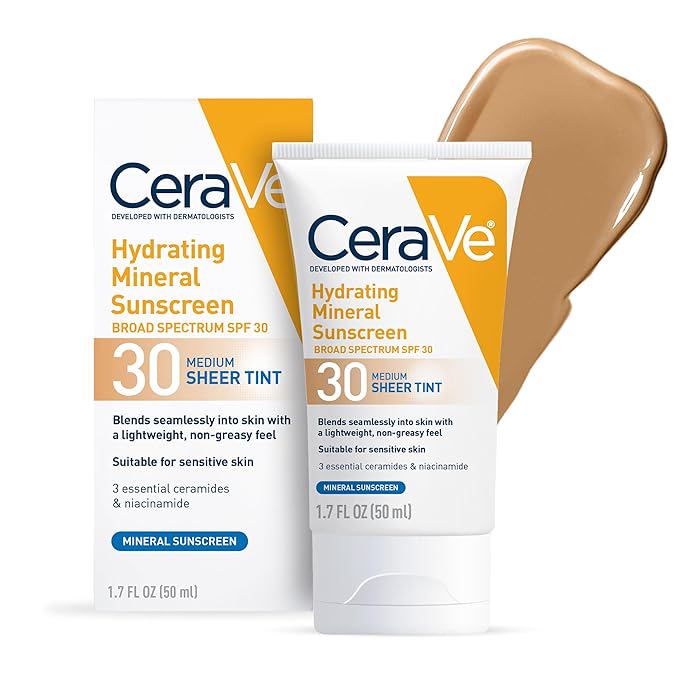
Sunlight directly worsens hyperpigmentation and prevents scars from fading. Without daily SPF 30+ (broad-spectrum), dark spots can darken and last far longer. Mineral sunscreens (zinc oxide or titanium dioxide) are often best for sensitive, scar-prone skin, as they are less likely to sting or clog pores. Apply every single morning, even if staying indoors—UVA rays penetrate windows.
A gentle, barrier-friendly routine isn't about doing less—it's about doing the right things consistently.
What to avoid in your routine
Equally important is knowing what not to do. Harsh physical scrubs (apricot kernel, walnut shells), high-concentration AHAs/BHAs (15% or more) used daily, alcohol-heavy toners, and multiple potent actives applied simultaneously (like retinol with a strong BHA) can all break down the barrier. If you feel stinging, peeling (beyond expected flaking from a retinoid), or ongoing redness, scale back. Your goal is repair, not retraumatization.
A simple sample gentle routine
- AM: Gentle cleanser → 5% niacinamide serum or 10% azelaic acid cream → moisturizer with ceramides → SPF 30+ mineral sunscreen.
- PM: Gentle cleanser → (optional) gentle retinol or adapalene 2–3 nights per week, on dry skin, 'sandwiched' → moisturizer as the final layer.
- On non-retinoid nights: Gentle cleanser → vitamin C serum (10% L-AA) → rich moisturizer.
Introduce each new product one at a time, waiting a week between additions. Pay close attention to any signs of irritation (itch, redness, breakouts). Patience is vital; visible improvement in texture and pigment may take 8–12 weeks of consistent, gentle care.
When to see a dermatologist
If your scars are deep icepick or rolling scars, over-the-counter products may help but likely won't resolve them completely. Dermatologists can offer in-office treatments like microneedling, chemical peels (in a controlled, low-pH format), or laser therapy. These treatments work best when the skin is already calm and healthy—which a gentle home routine helps achieve. Never combine in-office treatments with aggressive home regimens without a dermatologist's guidance.
In essence, treating acne scars gently is not a compromise; it is the most effective way to achieve lasting, visible improvement while keeping your skin healthy and resilient. Focus on barrier support, use targeted ingredients at appropriate concentrations, and protect from the sun daily. Over time, your skin will show the difference.