You wash your face, watch your diet, and stick to your routine — yet those stubborn pimples keep showing up, especially before a big presentation or during a hectic week. It’s not your imagination. The link between stress and acne is real, backed by a growing body of dermatological research. When your mind is under pressure, your skin often pays the price.
This guide breaks down exactly how stress triggers breakouts, what you can do about it, and when it’s time to look beyond your face wash for answers.
How does stress cause acne?
Stress doesn’t directly create a pimple out of thin air, but it creates a perfect storm for breakouts. The main culprit is cortisol, the body's primary stress hormone. When you’re stressed, your adrenal glands pump out more cortisol. This hormone signals your sebaceous glands to go into overdrive, producing more sebum — the oily substance that can clog pores.
At the same time, stress increases inflammation throughout the body. Inflamed skin is more reactive, meaning those clogged pores are more likely to turn into red, swollen, painful pimples rather than staying as small, unnoticeable comedones.
Stress also affects your skin’s barrier function. A compromised barrier loses moisture and becomes more vulnerable to bacteria, including Cutibacterium acnes, the bacteria involved in acne. The result: more breakouts, slower healing, and a longer recovery time for existing blemishes.
A quick caveat: Stress alone rarely causes acne in someone who has zero predisposition to it. But if you have oily skin or a history of breakouts, stress can flip the switch from clear to congested.
Can stress cause acne in adults who never had it before?
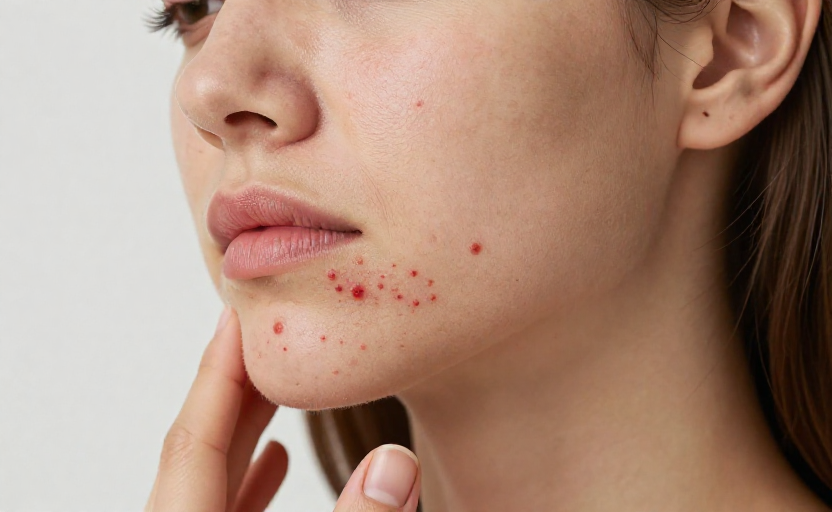
Yes, and this is more common than many people realize. Adult-onset acne — often appearing in the late 20s, 30s, or even 40s — frequently coincides with periods of high stress. Unlike teenage acne, which tends to pop up across the T-zone (forehead, nose, chin), stress-related adult acne often appears on the lower face, jawline, and neck. This pattern is partly hormonal, as cortisol interacts with androgen receptors in these areas.
Women are particularly susceptible because stress can also disrupt estrogen and progesterone balance, adding another layer of hormonal influence. If you’re noticing deep, cystic bumps along your jawline during stressful weeks, stress is a likely contributor.
Signs your acne might be stress-related
Not all breakouts are created equal. Here are a few clues that stress could be the trigger:
- Timing: Breakouts appear during or right after a stressful event (exam week, work deadline, relationship conflict).
- Location: Pimples cluster on the lower face, jawline, and chin.
- Type: Deep, tender, cystic bumps that don’t come to a head are common with stress acne.
- Healing: Existing blemishes take longer to heal, and new ones keep appearing before old ones resolve.
How stress hormones affect existing acne
Even if stress didn’t start your acne, it will almost certainly make it worse. Cortisol increases the production of inflammatory chemicals called cytokines. This means a small blackhead can quickly become a red, angry pustule. It also impairs the skin’s ability to repair itself, so post-acne marks and hyperpigmentation linger longer.
Stress can also trigger a vicious cycle: you feel stressed, your skin breaks out, you feel more self-conscious about your skin, which increases your stress, leading to more breakouts. Breaking this loop requires addressing both the skin and the underlying stress.
Practical steps to manage stress-related acne
You don’t need to eliminate all stress from your life — that’s neither realistic nor healthy. But you can take targeted steps to calm both your mind and your skin.
1. Support your skin barrier
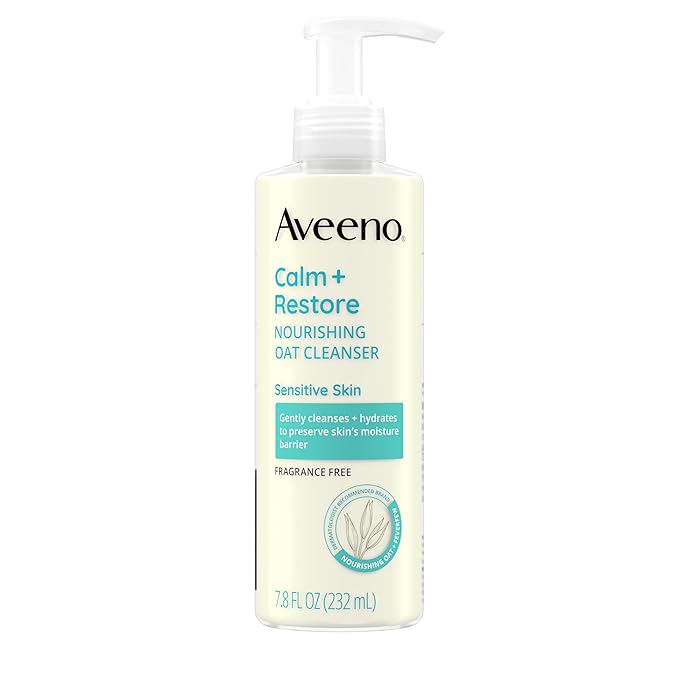
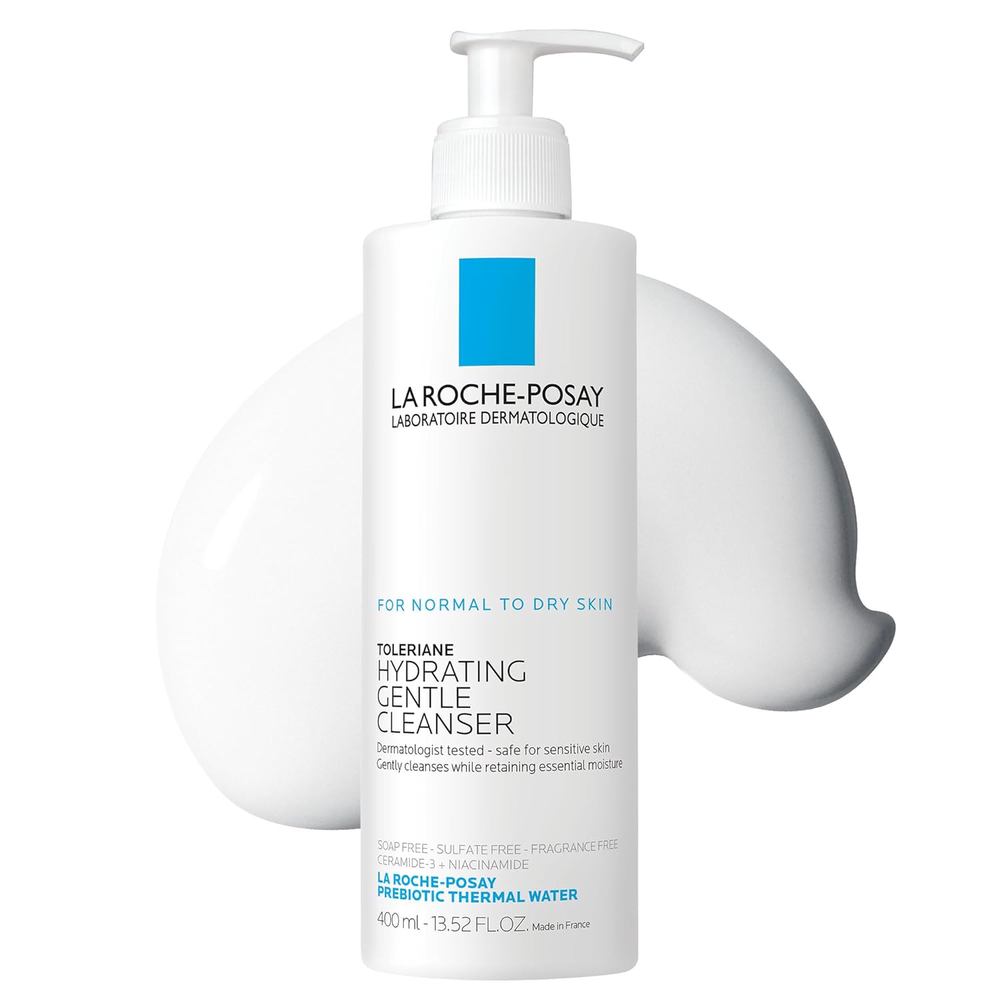
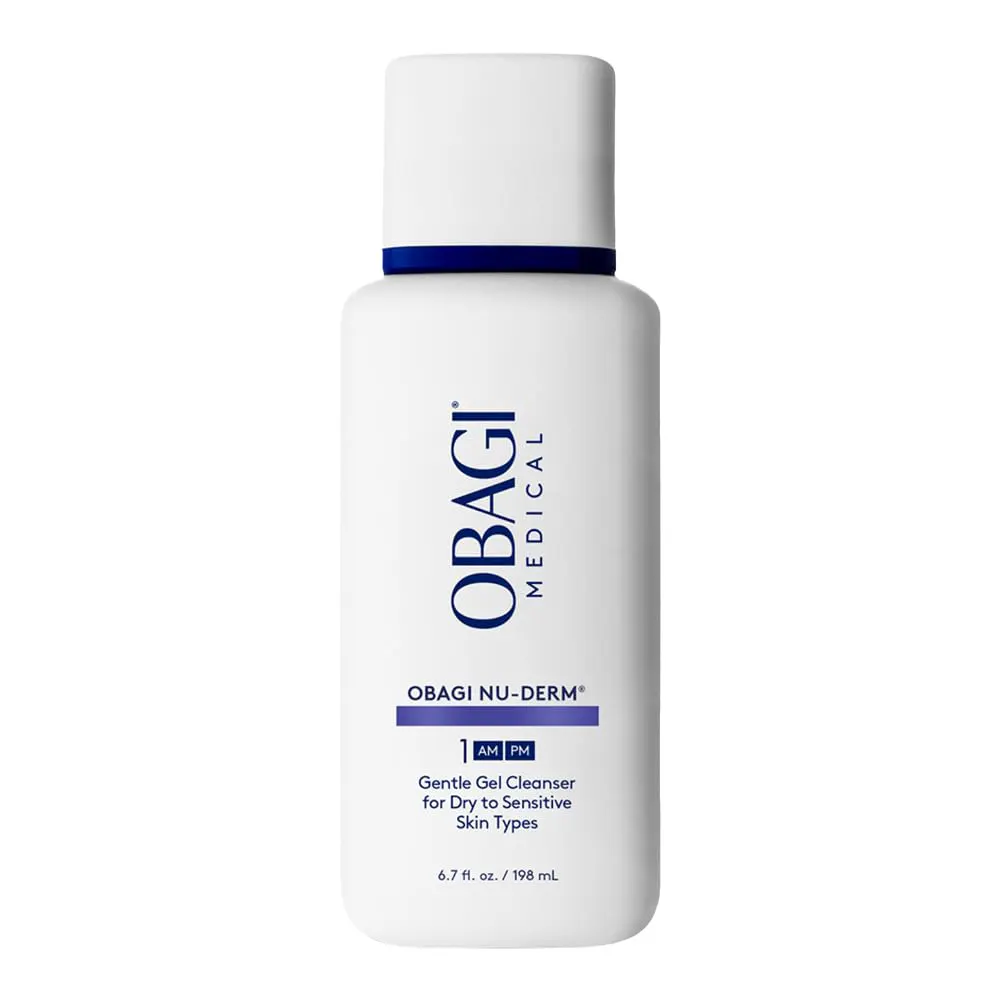
When stress weakens your barrier, your skin becomes more reactive. Use a gentle, non-stripping cleanser and a moisturizer with ceramides or niacinamide to reinforce the barrier. Avoid harsh exfoliants or strong actives during high-stress periods — they can increase inflammation and worsen breakouts.
2. Stick to a simple routine
Stress often makes us neglect or overdo our skincare. Keep it simple: cleanse, moisturize, and use a targeted treatment like salicylic acid or benzoyl peroxide on active pimples only. Consistency matters more than complexity.
3. Prioritize sleep
Sleep is when your body repairs itself, including your skin. Poor sleep raises cortisol and lowers growth hormone, which helps skin repair. Aim for 7–9 hours of quality sleep per night. If stress keeps you awake, try a wind-down routine without screens an hour before bed.
4. Manage stress directly
This one’s obvious but worth repeating: stress management techniques — deep breathing, meditation, short walks, journaling — lower cortisol. Even 5 minutes of slow, deep breathing can reduce stress hormone levels temporarily. Over time, regular practice helps keep your baseline cortisol lower.
5. Watch what you touch
When we’re stressed, we touch our faces more. Resting your chin on your hands, picking at blemishes, or holding a phone against your jaw can introduce bacteria and irritate skin. Be mindful of these habits.
When to see a dermatologist
If stress-related breakouts are persistent, painful, or leaving scars, it’s time to get professional help. A dermatologist can offer prescription treatments — like topical retinoids, oral antibiotics, or spironolactone — that target the hormonal and inflammatory pathways stress activates. They can also help you distinguish between stress acne and other skin conditions, like rosacea or contact dermatitis, which can look similar.
Stress and acne have a complex relationship, but understanding the connection puts you in a better position to manage both. Focus on gentle skin support, consistent routines, and genuine stress relief — not quick fixes. Healthy skin is a reflection of a balanced life, and that includes how you handle pressure.