
Starting a strength training routine can feel like standing at the base of a mountain. The path upward is clear, but the first steps are often the most intimidating. You might wonder how to lift without hurting yourself, how to know if you’re doing it right, or how to actually get stronger without hitting a wall of frustration. The good news is that building strength is a skill, and like any skill, it’s learned through consistent, mindful practice.
The core principle isn’t about pushing to exhaustion every session. It’s about the steady, intelligent application of stress and recovery. Your body adapts to what you ask of it, provided you ask clearly and give it the tools to respond. This guide focuses on that process—how to start, how to listen to your body, and how to build a foundation that supports long-term health, not just short-term gains.
Laying the Foundation: Form Before Everything
Before you add weight, before you worry about sets and reps, your first and most crucial investment is in movement quality. Proper form isn’t just about looking the part; it’s the mechanism that directs force safely through your joints and muscles, protecting you from injury and ensuring the right muscles do the work.
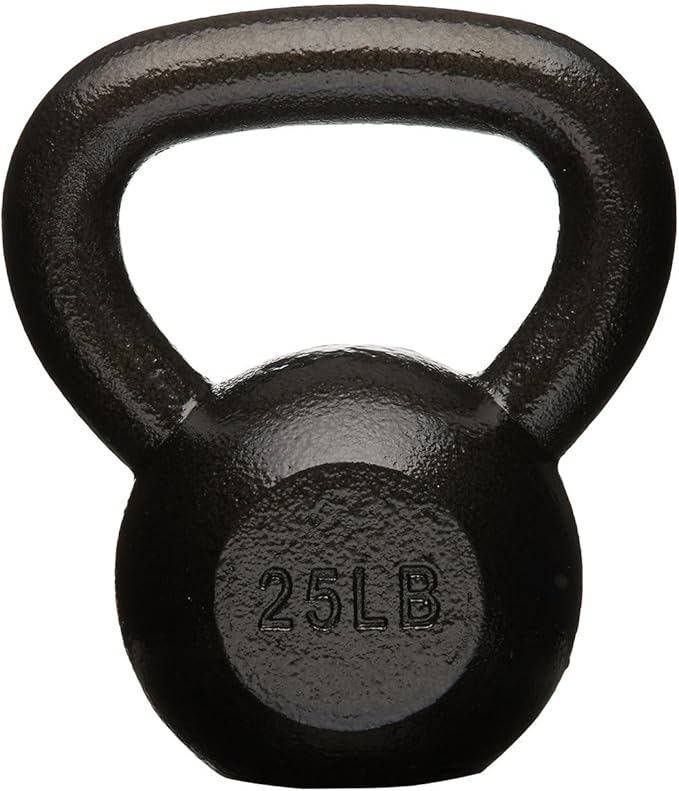
Begin with bodyweight or very light implements. A simple goblet squat holding a light kettlebell or dumbbell teaches you to brace your core and keep your chest up far better than rushing into a heavy barbell back squat. A push-up from your knees or against a wall establishes the mind-muscle connection for your chest and triceps. The goal here is neuromuscular efficiency—teaching your nervous system to fire the correct muscles in the right sequence.
Think of your first few weeks as practice, not a workout. You’re learning the movements, not testing your limits.
The Pillars of Progression: How to Actually Get Stronger
Progression is the engine of strength training, but it’s not linear and it’s not just about adding more weight each time. Intelligent progression follows a few reliable paths, and mixing them prevents plateaus and keeps you engaged.
1. The Principle of Progressive Overload
This is the non-negotiable rule for building strength: to improve, you must gradually ask your body to do more than it’s used to. This “more” can be achieved in several ways, not just heavier weights:
- Increase Resistance: Adding 2.5 to 5 pounds to a lift when you can complete all your planned reps with good form.
- Increase Volume: Adding an extra set or a few more repetitions to your existing weight.
- Increase Density: Performing the same amount of work in less time (shortening rest periods).
- Improve Quality: Mastering a more challenging variation (e.g., moving from a knee push-up to a full push-up).
Attempting to progress on all fronts at once is a recipe for burnout. Choose one focus for a few weeks, then cycle to another.
2. The Role of Recovery
Strength is not built in the gym; it’s built during rest. When you lift, you create microscopic tears in muscle fibers. It’s during recovery—through sleep, nutrition, and days off—that your body repairs these fibers, making them slightly thicker and stronger than before.
Without adequate recovery, you short-circuit this process. Persistent soreness, irritability, stalled progress, and nagging aches are often signs you’re not recovering enough. For beginners, training each major muscle group 2-3 times per week with at least one full rest day between sessions targeting the same area is a sustainable rhythm.
Structuring Your Early Workouts
A balanced beginner routine addresses the body’s major movement patterns. This ensures symmetrical development and functional strength. Aim for 2-3 full-body sessions per week on non-consecutive days.
A sample session framework might include:
- A Squat Pattern: Goblet squats, bodyweight squats.
- A Hinge Pattern: Kettlebell deadlifts, hip bridges.
- A Push Pattern: Push-ups (modified or standard), dumbbell bench press.
- A Pull Pattern: Banded rows, lat pulldowns, inverted rows.
- A Core & Stability Exercise: Planks, bird-dogs, Pallof presses.
Start with 2-3 sets of 8-12 repetitions for each exercise. The last 2-3 reps of a set should feel challenging but doable with perfect form. If they’re easy, your next workout is where you apply a progression method.
Listening to Your Body: Discomfort vs. Pain
Learning this distinction is your most important safety skill. Muscle fatigue, the “burn” during a set, and delayed onset muscle soreness (DOMS) 24-48 hours after a new workout are normal forms of discomfort.
Pain is different. It’s sharp, sudden, or shooting. It’s localized in a joint (like the knee or shoulder) rather than the belly of a muscle. It doesn’t fade after a few reps or with movement. Pain is a stop sign. If you feel it, cease the exercise for that session. Trying to push through pain is the fastest way to a serious setback.
Discomfort says, “This is hard.” Pain says, “Something is wrong.” Learn the language of your body.
Common Pitfalls and How to Sidestep Them
Every beginner faces similar hurdles. Anticipating them makes them easier to manage.
Comparing Your Start to Someone Else’s Middle: The person next to you lifting heavier weights has a different history. Your only relevant comparison is your own performance last week or last month.
Neglecting Warm-Ups and Cool-Downs: A 5-10 minute warm-up (like dynamic stretches, light cardio) increases blood flow and prepares your tissues for work. A cool-down with static stretching can aid flexibility and begin the recovery process.
Chasing Extreme Soreness: Being unable to walk downstairs after leg day isn’t a badge of honor; it’s a sign you did too much too soon. Moderate soreness is fine, but debilitating soreness hinders consistency.
Underestimating Nutrition and Hydration: Your muscles need protein to repair and carbohydrates to fuel your efforts. Drinking enough water is essential for joint lubrication and nutrient transport. Think of food as part of your training program.
Sustaining Momentum for the Long Term
Consistency over months and years beats intensity over weeks. Find ways to make your routine enjoyable and integrated into your life. Track your workouts in a simple notebook or app—seeing written proof of your progress is incredibly motivating. Celebrate non-scale victories: carrying groceries feels easier, you can lift your child without a second thought, you have more energy.
Remember, even experts were beginners once. They progressed by respecting the fundamentals, listening to their bodies, and showing up consistently. You have the same path ahead of you. Start where you are, use what you have, and take the first expert-backed step: the one that prioritizes safety and sustainability above all else.