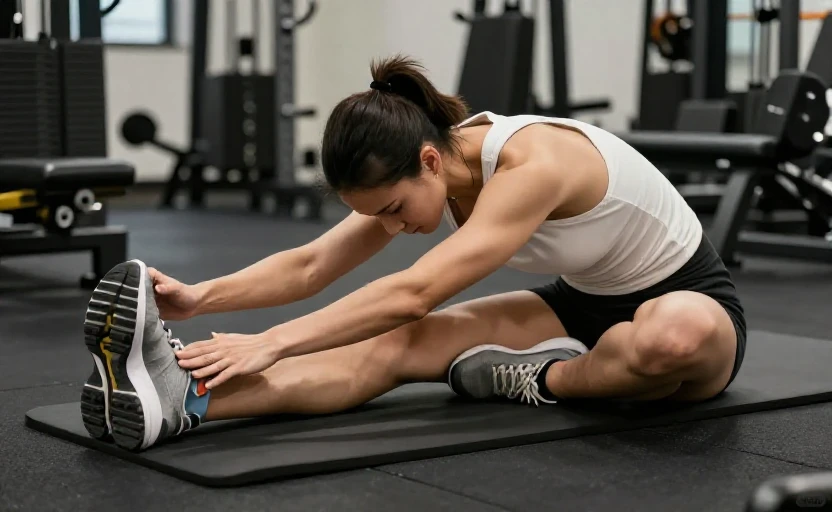
You’ve just finished a solid workout, and the temptation is real: to simply stop, grab your water bottle, and call it a day. After all, the hard part is over. But what you do in those critical minutes after your last rep can profoundly influence how you feel tomorrow—and how ready you are for your next session. A thoughtful cool-down isn't just a polite ending to exercise; it's a strategic transition for your body. Unfortunately, many beginners, eager to check the box, make subtle errors that can turn this recovery phase into a setup for increased stiffness and soreness.
The goal of a cool-down is to gradually guide your heart rate and breathing back to baseline while aiding the initial stages of muscle repair. When done poorly, it can leave metabolic waste pooling in tired muscles and allow tissues to stiffen prematurely. Let's walk through the most common missteps and how to gently correct them, so you can finish strong and recover stronger.
Stopping Too Abruptly
The most frequent and impactful mistake is going from full intensity to complete stillness. Imagine driving a car at highway speed and slamming on the brakes—it’s jarring. Your cardiovascular system experiences a similar shock. When you stop moving abruptly, blood can pool in your working muscles, potentially leading to dizziness and delaying the removal of lactic acid and other byproducts of exercise. This buildup is a key contributor to that heavy, achy feeling known as delayed onset muscle soreness (DOMS).
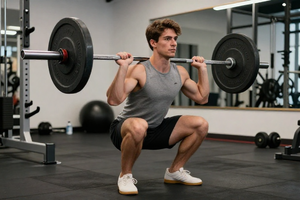
The fix is simple: transition. After your final working set, spend 5-10 minutes in active recovery. This isn't another workout; it's a gradual step-down. If you were running, slow to a brisk walk, then an easy walk. If you were lifting weights, do a few very light sets of the same movements or switch to bodyweight movements like slow air squats or arm circles. The continued, gentle muscle contraction acts as a pump to help circulate blood back to the heart.
Think of your cool-down as a bridge, not a cliff. Your body needs a gentle ramp back to rest.
Confusing Stretching with Cooling Down
Many people believe a cool-down is synonymous with a stretching session. While flexibility work is valuable, timing matters. Your muscles are like warm taffy after a workout; they are pliable. However, they are also fatigued, micro-damaged, and flooded with metabolic stress. Immediately forcing them into deep, static stretches can cause the muscles to tighten protectively, potentially aggravating those tiny tears.
Instead, prioritize dynamic movement first to facilitate circulation. Then, if you wish to include static stretching, focus on gentle, held stretches of 15-30 seconds without pain. Listen to your body—it should feel like a release of tension, not an intense strain. The primary aim post-workout is restoration, not maximum flexibility gains.
Skipping Hydration and Refueling
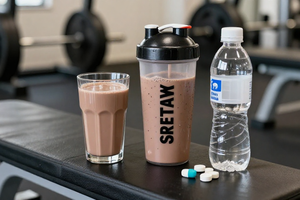
The cool-down period isn't just about movement; it's also the ideal window to address fluid and nutrient loss. Exercise depletes glycogen stores and causes fluid loss through sweat. Waiting an hour or two to drink water or eat something can extend the recovery process and exacerbate soreness.
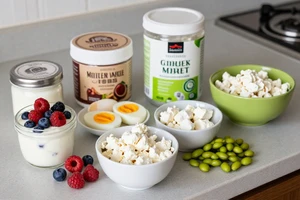
Replenishing fluids helps transport nutrients to muscles and flush out waste products. A small snack or meal containing both carbohydrates and protein within 45 minutes of finishing can significantly aid muscle repair. This doesn't need to be a large meal—a piece of fruit with a handful of nuts or a yogurt can suffice.
- Hydrate: Sip water consistently during and after your cool-down.
- Refuel: Combine a simple carb (for energy replenishment) with a protein (for repair).
- Listen: Thirst is a late sign of dehydration; drink before you feel parched.
Holding Static Stretches for Too Long (or Not at All)
This mistake has two opposite poles. On one end, people skip stretching entirely, letting muscles cool and contract in a shortened state. On the other, they hold aggressive stretches for minutes at a time, thinking "more is better." Both can be problematic.
Over-stretching fatigued muscles can increase inflammation. Under-stretching can lead to stiffness. The balanced approach is to include brief, mindful stretching after your active cool-down. Target the major muscle groups you just worked. For example, after a leg day, gentle quad, hamstring, and calf stretches are appropriate. The sensation should be a mild tension that eases as you hold; never a sharp or radiating pain.
Neglecting Breathwork and Mindfulness
A cool-down is a physical and neurological shift from the sympathetic "fight-or-flight" state of exercise to the parasympathetic "rest-and-digest" state of recovery. If you spend your cool-down scrolling on your phone or mentally racing to your next task, you're missing a key component.
Integrating deep, diaphragmatic breathing signals to your nervous system that the stress is over. Try this: as you perform your light active recovery or stretching, match your movement to your breath. Inhale for four counts, exhale for six. This simple practice can lower cortisol levels and enhance the overall recovery response, setting the stage for better relaxation and less perceived soreness.
Putting It All Together: A Simple, Effective Cool-Down Routine
So what does a mistake-free cool-down look like? It's straightforward and adaptable.
- 5 Minutes of Light Activity: Whatever your workout was, do it slower and easier. Joggers walk. Cyclists spin with no resistance. Lifters do bodyweight movements.
- 3-5 Minutes of Gentle Static Stretching: Hit the major muscles worked. Hold each stretch for 15-30 seconds, breathing deeply. No bouncing.
- Hydrate and Refuel: Drink water and have a small recovery snack if needed.
- 2 Minutes of Breath Focus: Sit or lie down comfortably. Place a hand on your belly and practice a few cycles of slow, deep breathing to settle your system.
This 10-15 minute ritual is an investment in your next workout. By avoiding these common cool-down errors, you're not just reducing next-day soreness—you're teaching your body to recover more efficiently, building consistency, and honoring the hard work you just put in. Your muscles will thank you tomorrow.