You just finished a great workout. You’re feeling that satisfying fatigue, maybe a little sweaty, and ready to recover. You reach for your water bottle, take a few sips, and call it good. Hydration check, right? Not so fast. What you do in the minutes and hours after exercise can quietly undermine your recovery, your performance next time, and even how you feel right now. The goal isn’t just to drink water; it’s to rehydrate effectively.
Many of us operate on autopilot when it comes to post-exercise fluids. We might be following old habits or vague guidelines, missing the nuances that make hydration truly supportive. Let’s look at three common, well-intentioned missteps that can leave you playing catch-up—and how to shift your approach for better results.
Mistake 1: Drinking Only When You Feel Thirsty
This might be the most ingrained habit of all. Thirst feels like a reliable signal, a built-in reminder from your body. After a workout, however, relying solely on thirst is a delayed reaction. By the time you feel that distinct urge to drink, you’re already in a state of mild dehydration. Exercise, especially intense or long-duration sessions, disrupts your body’s thirst mechanisms. You can lose a significant amount of fluid before the “drink now” signal finally kicks in.
Think of thirst as a gauge that reads “empty” only after the tank is already half-dry. If you stop drinking once your immediate thirst is quenched, you likely haven’t replaced all the fluid and electrolytes lost through sweat. This deficit can drag into the rest of your day, leaving you with low-grade fatigue, a headache, or that general “blah” feeling that gets chalked up to a hard workout when it might be partly due to under-hydration.
Your thirst mechanism lags behind your actual fluid needs, especially after sweating.
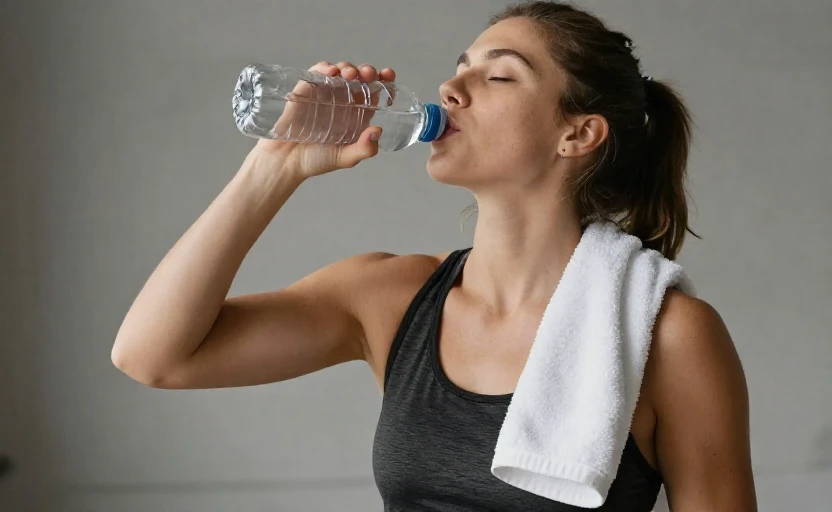
The fix here is proactive, not reactive. Establish a simple hydration ritual for after your workout. Don’t just take a few sips and put the bottle away. Plan to consume a generous amount of fluid—say, 16 to 24 ounces—over the 30 to 60 minutes following your session. Drink it steadily, not all at once. This gives your body a chance to absorb what it needs and sends a clear signal that rehydration is a priority, not an afterthought.
Mistake 2: Forgetting About Electrolytes
Water is essential, but it’s only half the story. When you sweat, you don’t just lose H2O. You also lose electrolytes—primarily sodium, potassium, and magnesium. These minerals are crucial for nerve function, muscle contraction, and maintaining fluid balance within your cells. Drinking plain water in large quantities after heavy sweating can sometimes dilute the remaining electrolytes in your blood, a condition called hyponatremia, which is rare but serious. More commonly, just failing to replace electrolytes means your body struggles to hold onto the water you’re drinking.
Ever notice you drink a lot of water after a workout but seem to pass it just as quickly? That can be a sign you’re missing electrolytes, particularly sodium, which helps your body retain fluid. You’re effectively pouring water into a leaky bucket.
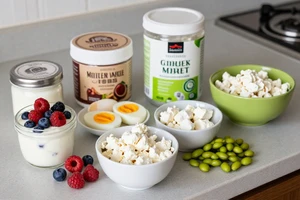
Replenishing electrolytes doesn’t require a fancy supplement regimen for most people. For moderate workouts, simply having a balanced meal or snack within an hour or two of exercising will do the trick. Many whole foods are excellent sources:
- Sodium & Potassium: Found in a pinch of salt on your food, bananas, sweet potatoes, yogurt, and leafy greens.
- Magnesium: Present in nuts, seeds, spinach, and black beans.
For longer, more intense sessions (think 90 minutes or more of hard effort, or exercising in extreme heat), a dedicated electrolyte drink or a small snack focused on replenishment immediately afterward can be very effective. The key is to pair fluid intake with electrolyte sources.
Mistake 3: Using Caffeinated or Sugary Drinks as Your Primary Rehydration Tool
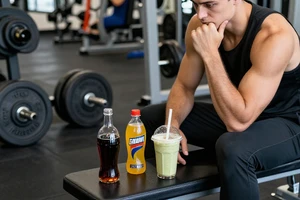
Grabbing a coffee, a soda, or a commercial sports drink loaded with sugar might feel like a reward, but it’s a poor choice for primary rehydration. Caffeine is a mild diuretic, meaning it can increase urine output. While the effect is modest, especially in regular caffeine consumers, it doesn’t help your body retain the fluid you so desperately need post-workout. It’s counterproductive.
Sugary drinks, including many traditional sports drinks, pose a different problem. A high sugar concentration can actually slow the absorption of water in your intestines. Your body has to work to process that sugar load, which can delay rehydration. Furthermore, that quick sugar spike often leads to an energy crash later, sabotaging the sustained energy you’re trying to cultivate through fitness.
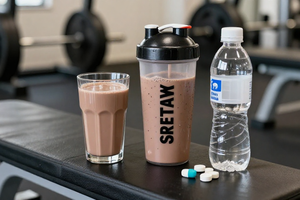
This isn’t to say you can never have these drinks. The mistake is making them your main source of post-workout fluid. Water, electrolyte-infused water, or even milk (which provides protein, electrolytes, and fluid) are far more efficient choices for the initial rehydration window. Save the latte or treat for later, once you’ve already replenished your baseline with smarter fluids.
Building a Smarter Post-Workout Hydration Habit
So, what does a better approach look like? It’s straightforward and doesn’t require complex calculations.
First, weigh yourself lightly before and after a hard sweat session. The weight lost is almost entirely water weight. A good goal is to drink about 16-24 ounces of fluid for every pound lost. This gives you a tangible, personalized target beyond just “drink more.”
Second, make your first post-workout drink a smart one. Keep a large bottle of water or an electrolyte drink handy. Consume it steadily in that first hour. If you had a particularly grueling or salty sweat session, include a small, salty snack like a handful of pretzels or a salt sprinkle on some fruit.
Finally, follow up with a nutrient-rich meal or snack within two hours. This meal will continue the rehydration process with the water content in foods and replenish electrolytes and glycogen stores comprehensively. A smoothie, a bowl with grains and vegetables, or some eggs with avocado all fit the bill perfectly.
Hydration is a cornerstone of recovery. By moving past these three common mistakes—waiting for thirst, ignoring electrolytes, and choosing poor beverage choices—you support your body’s repair processes more completely. You’ll likely find your energy levels are more stable, your next workout feels more accessible, and that post-exercise fatigue feels more productive and less draining. Listen to your body, yes, but also give it what it truly needs to thrive.