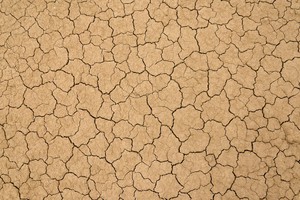

Think of your skin barrier as a brick wall. The skin cells are the bricks, and the natural oils and lipids are the mortar that holds everything together. When that wall is intact, your skin looks smooth, feels comfortable, and does its job of keeping good things in (like moisture) and bad things out (like bacteria and pollutants). When the barrier is compromised, the wall develops cracks—leading to dryness, irritation, redness, and breakouts.
Understanding your skin barrier is the first step to caring for it properly. This isn’t about chasing the latest trendy serum or expensive device; it’s about getting the basics right so your skin can function the way nature intended.
What exactly is the skin barrier?
The outermost layer of your skin is called the stratum corneum. This is your skin barrier. It’s a complex structure made of corneocytes (flat, dead skin cells) held together by a lipid matrix composed of ceramides, cholesterol, and fatty acids. This layer is only about 10 to 20 micrometers thick, but it’s incredibly smart. It maintains a slightly acidic pH (around 4.5 to 5.5), which helps good bacteria thrive while keeping harmful microbes at bay.
When your barrier is healthy, you barely notice it. When it’s not, your skin sends clear signals.
Signs your skin barrier may be damaged
The most common signs of a compromised barrier include persistent dryness or flakiness that doesn’t improve with moisturizer, a rough or tight feeling right after cleansing, redness, stinging when applying products, increased breakouts, or a dull complexion. If your skin has become unusually reactive to products you’ve used for years, that’s another strong indicator.
Many people mistake these symptoms for a bad skin type—thinking they have permanently “sensitive” skin—when in fact they are dealing with a temporary barrier issue that can be resolved with the right approach.
What damages the skin barrier?
Several everyday habits can strip the barrier faster than you might think. Over-cleansing with harsh surfactants, using hot water on your face, over-exfoliating with acids or scrubs, and skipping moisturizer are common culprits. Environmental factors like low humidity, air conditioning, and sun exposure also take a toll. Stress and lack of sleep can raise cortisol levels, which in turn reduces the skin’s ability to produce protective lipids.
Even ingredients that sound “healthy,” like pure essential oils or high-concentration vitamin C serums, can irritate a fragile barrier if used too often or without proper buffering.
The role of pH in barrier health
Your skin barrier prefers a slightly acidic environment. Most cleansers are alkaline, and using them can temporarily raise your skin’s pH. A healthy skin barrier recovers within about 30 minutes, but if you’re constantly stripping it, that recovery time gets longer, and the barrier weakens. Look for cleansers with a pH between 4.5 and 6.0 to support rather than disrupt the barrier.
How to protect and repair your skin barrier
Repairing your skin barrier is less about adding more products and more about doing less damage. Here is a practical approach:
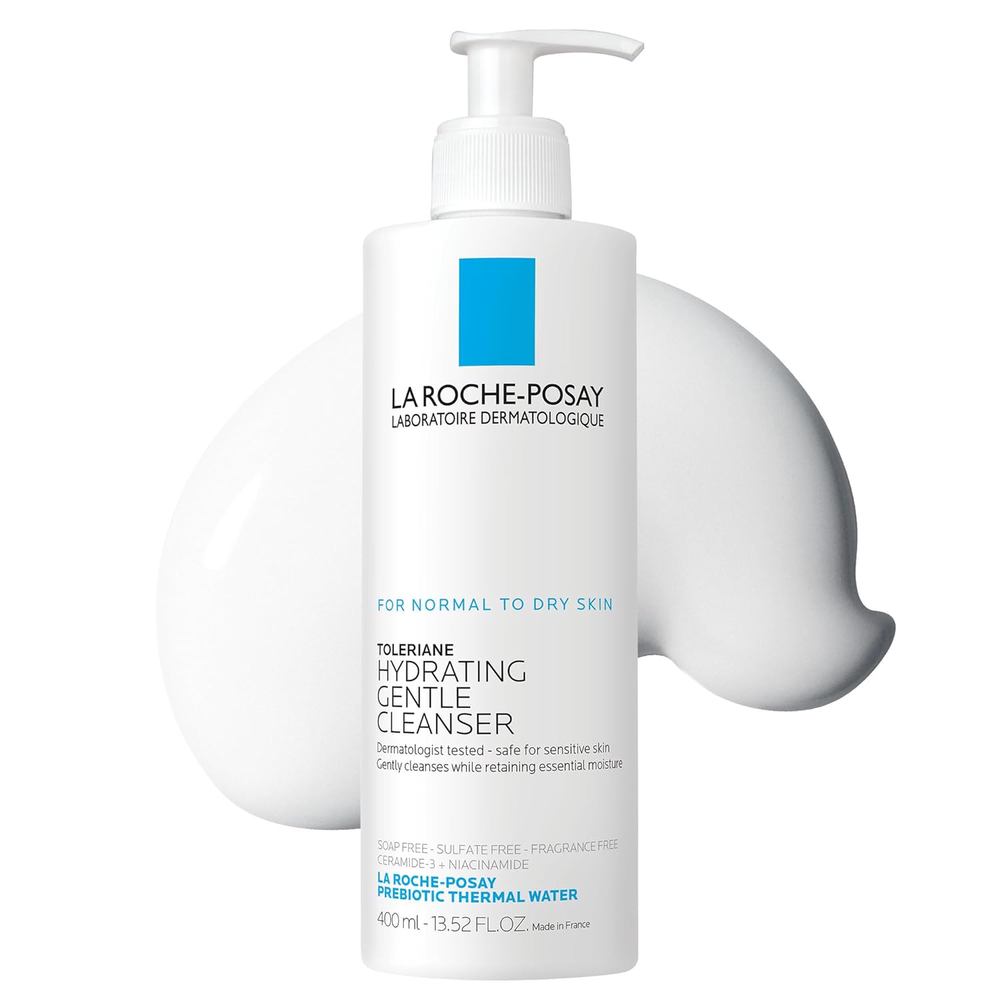
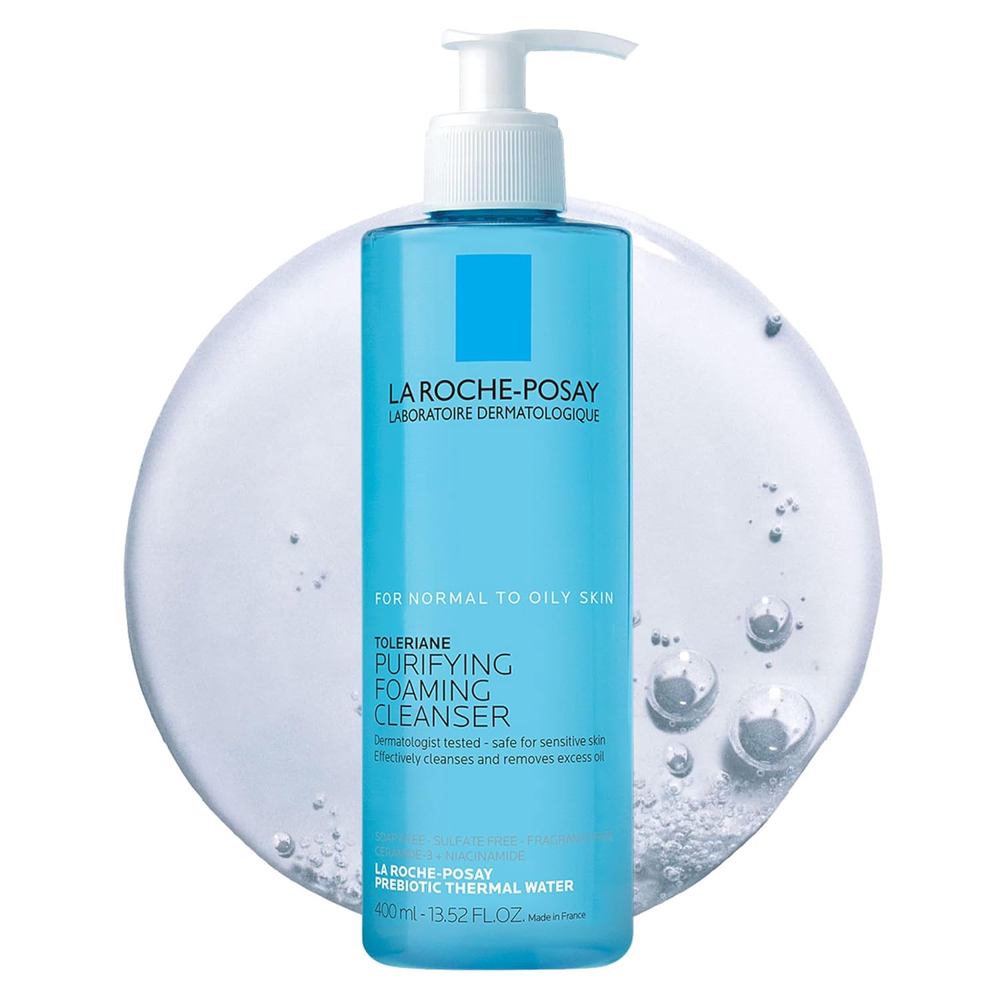
- Simplify your routine. Cut back to just four steps: a gentle cleanser, a moisturizer with barrier-repairing ingredients, a sunscreen during the day, and nothing else for a few weeks.
- Choose barrier-loving ingredients. Look for ceramides (which fill the gaps in the lipid matrix), niacinamide (which helps the skin produce its own ceramides), squalane (a lightweight oil that mimics the skin’s natural sebum), and panthenol (pro-vitamin B5, which calms irritation).
- Stop over-exfoliating. If your barrier is compromised, stop all exfoliation for at least two weeks. No acids, no retinol, no scrubs. Let the skin rebuild its protective layer before you ask it to turn over cells faster.
- Watch the water temperature. Wash your face with lukewarm water, not hot. Hot water strips natural oils faster.
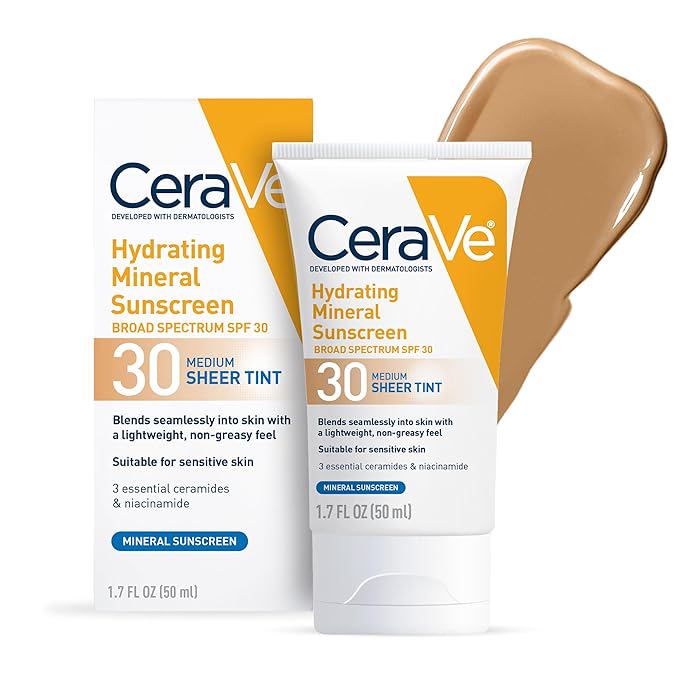
- Don’t forget sunscreen. UV rays directly damage the skin barrier, and they do it invisibly. Physical sunscreens with zinc oxide or titanium dioxide are often gentler for sensitive, compromised skin.
A good rule of thumb: if your skin feels tight after cleansing, your cleanser is too harsh or you need to moisturize immediately. Tightness is not a sign of “deep clean”; it’s a sign of stripping.
How long does it take to repair the barrier?
With consistent care, you can see noticeable improvement in about two to four weeks. Full repair of the stratum corneum takes about four to six weeks, though this varies by age, overall health, and how much damage was done. Some people with chronic barrier issues (like those with eczema or very dry skin) may need longer or may need to always be mindful of protecting it.
During the repair phase, be patient. Your skin may look slightly shinier or feel somewhat greasy as you use richer moisturizers. This is normal and temporary. The goal is to restore function, not to achieve a matte finish at the cost of health.
Common mistakes people make
One of the biggest mistakes is layering too many active ingredients in an attempt to “fix” things faster. More is not better when it comes to barrier repair. Another common error is using thick occlusives (like petroleum jelly) on skin that still has residue from previous products, which can trap irritants against the skin. Always apply occlusives over a well-absorbed moisturizer, not directly onto damp skin with residue.
Finally, don’t confuse moisture with hydration. Hydration refers to water content in the skin; moisture refers to oil content. A damaged barrier often needs both, but they come from different types of ingredients. Humectants like glycerin and hyaluronic acid bring water in; emollients and occlusives lock it in and seal the gaps.
Your skin barrier is your body’s first line of defense. Treat it with respect, and it will repay you with comfort, resilience, and a healthy glow that no trendy mask can match.