
If you have combination skin, you know the delicate balancing act it demands. Your T-zone might shine by midday while your cheeks feel tight and thirsty. This unique skin type, with its oily and dry areas, requires a thoughtful approach that shifts with the calendar. As the seasons change, so do the environmental factors that affect your skin—humidity, temperature, wind, and indoor heating or cooling. A static routine won't cut it; your skin's needs in the humid heat of July are vastly different from those in the dry, cold air of January. This guide walks you through making those essential seasonal adjustments, helping you maintain a calm, balanced complexion all year round.
Understanding Your Combination Skin Through the Seasons
Combination skin isn't a flaw; it's simply a skin type characterized by an oily T-zone (forehead, nose, and chin) alongside normal-to-dry cheeks and jawline. This occurs because the sebaceous glands in your T-zone are more active. Seasonal changes throw this balance off. In summer, heat and humidity can ramp up oil production, making shine and congestion more likely. In winter, cold air outside and dry heat indoors can strip moisture, exacerbating dryness in your cheeks while your T-zone may still produce oil. Spring and fall bring their own transitional challenges with fluctuating temperatures and pollen. Recognizing these patterns is the first step to adapting your care.
Your Summer Skincare Strategy
When the weather turns warm and sticky, the goal is to manage oil and shine without over-drying the drier parts of your face.
Cleansing: A gentle, water-based gel or foaming cleanser can help remove excess sweat and oil. Consider a double cleanse in the evening if you wear sunscreen or makeup—start with a micellar water or cleansing balm, followed by your regular cleanser.
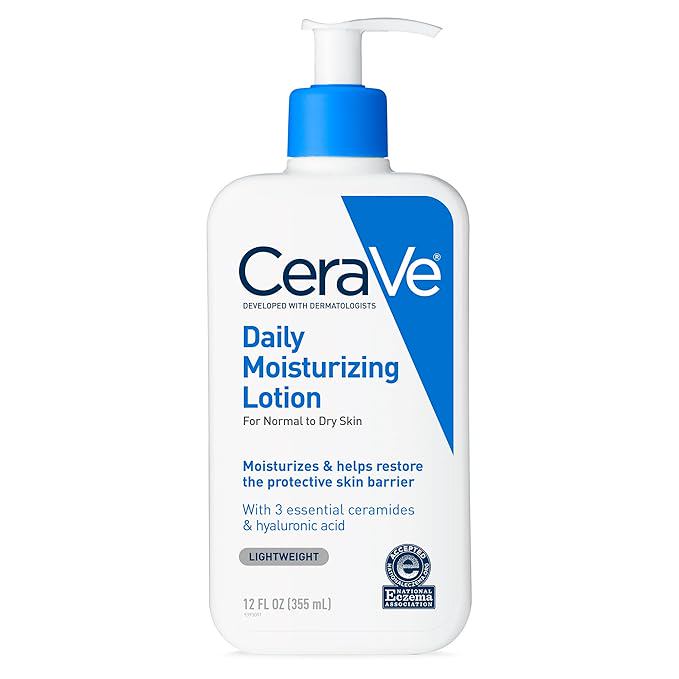
Moisturizing: Lightweight is the keyword. Swap heavier creams for oil-free lotions, gel-creams, or hydrating serums. Look for non-comedogenic formulas that hydrate without clogging pores. Hyaluronic acid is a summer superstar—it pulls moisture into the skin without a greasy feel.
For a quick midday refresh, keep blotting papers in your bag to gently dab away shine from your T-zone without disturbing makeup or stripping skin.
Targeted Care: This is the season you might reintroduce or use salicylic acid more frequently. A salicylic acid toner or serum used a few times a week on your T-zone can help keep pores clear. Always follow with sunscreen—a non-negotiable for every season, but especially crucial in summer. A matte or gel-based sunscreen can help control shine.
Transitioning to a Fall Routine
As the air becomes crisper and less humid, your skin may start to feel uneven—oiliness may lessen slightly, but dryness can begin to creep in.
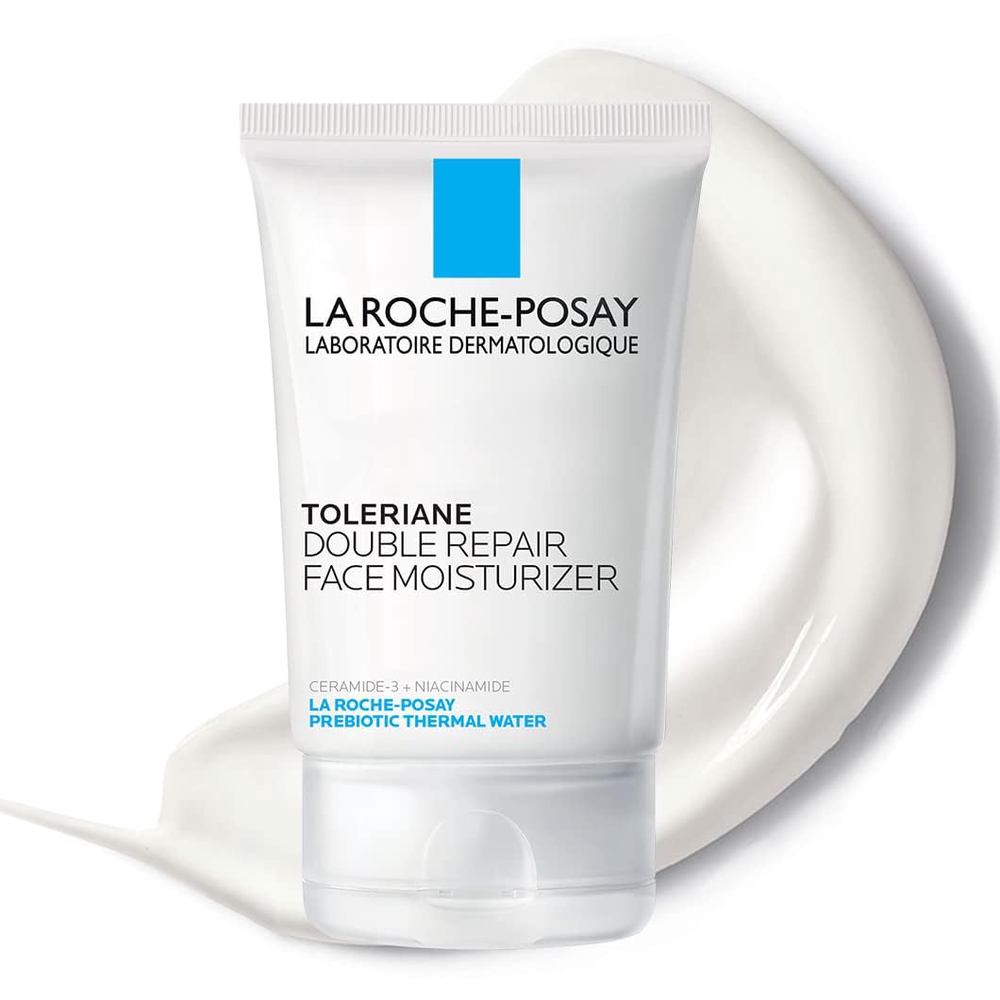
This is the time to reintroduce a bit more nourishment. You might transition from a gel moisturizer to a light cream. If you used a stronger acid toner in summer, scale back to using it once or twice a week, or switch to a gentler exfoliant like lactic acid. Focus on repairing your skin's barrier with ingredients like ceramides and niacinamide, which help balance both oil production and hydration. Don't put the sunscreen away; UV rays are present year-round.
Mastering Winter Skincare for Combination Skin
Winter is often the most challenging season. Harsh winds and dry indoor heat can leave your cheeks feeling parched and flaky, even if your nose still gets oily.
Cleansing: Now is the time for the gentlest cream or milky cleanser. Avoid hot water, which can further strip lipids from your skin. Lukewarm is best.
Moisturizing: Layering becomes your best technique. Apply a hydrating serum or essence to damp skin, then lock it in with a richer moisturizer. You might use a heavier cream only on your cheeks and a lighter lotion on your T-zone—there's no rule that says you must use one product all over.
A humidifier in your bedroom at night can combat the drying effects of indoor heating, benefiting both the dry and oily zones of your face.
Exfoliation: Be gentle. Swap chemical exfoliants for hydrating toners or use a mild AHA like mandelic acid once a week to slough off dry flakes without aggravating sensitivity. Lip balm and an occlusive ointment for any extra-dry patches are essential.
Welcoming Spring: The Reset
Spring is a season of renewal, and your skincare can follow suit. As humidity rises and temperatures become milder, you can begin to lighten your layers again.
Gradually switch from a heavy cream back to a medium-weight moisturizer. This is an excellent time for a gentle detox: incorporate a clay mask once a week, applying it only to your T-zone to absorb excess oil without overdrying your cheeks. Re-evaluate your sunscreen; you might prefer a less emollient formula than your winter one. Pay attention to how your skin feels—it will tell you what it needs as the environment changes.
Year-Round Pillars for Combination Skin
Amidst all these changes, a few principles remain constant. Patch testing any new product is crucial, especially when your skin is in a transitional state. Consistency matters more than a vast arsenal of products; find a simple, adaptable routine and stick with it, making small tweaks as needed. Most importantly, listen to your skin. If your cheeks feel tight, add more hydration. If your T-zone is congested, a little targeted care is in order. Your skin's needs can even change from week to week, and that's perfectly normal.
Adjusting your skincare with the seasons isn't about a complete overhaul four times a year. It's a subtle, responsive practice of observation and slight modification. By honoring the unique duality of combination skin and respecting the impact of the environment, you can foster a resilient, balanced complexion that feels comfortable and looks healthy no matter what the weather brings.