Between meetings, deadlines, and the general rush of the day, lunch can easily become an afterthought. For those managing a low-carbohydrate lifestyle, the midday scramble often leads to less-than-ideal choices—skipping the meal entirely, grabbing something processed, or feeling stuck in a culinary rut. The solution isn't more willpower; it's a smarter, more practical approach to preparation.
This guide is designed for the reality of a busy schedule. We'll move beyond complex recipes and focus on building a sustainable system. You'll learn how to assemble satisfying, low-carb lunches with minimal active time, using simple techniques, smart staples, and a bit of strategic thinking. The goal is to make your healthy lunch the easiest choice you have all day.
Why a System Beats a Single Recipe
Relying on one specific recipe each week sets you up for boredom and burnout. Instead, think in terms of components. A reliable low-carb lunch system is built on a simple formula: a protein source + plenty of non-starchy vegetables + a satisfying fat. When you prep these components independently, you can mix and match them throughout the week to create variety without starting from scratch every time.
The most sustainable meal plan is the one that adapts to your life, not the one that demands your life adapt to it.
This modular approach also reduces decision fatigue. When you open your refrigerator, you'll see clear, ready-to-go options instead of a collection of raw ingredients that require effort. It turns lunch from a daily chore into a simple assembly task.
The Core Components to Prep
Focus your weekly preparation time on these three pillars. You don't need to make all three in vast quantities; even having two ready to go will set you up for success.
1. Protein: The Foundation
Cooked protein is the most time-consuming element, so nailing this step is key. Choose one or two to prepare in bulk.
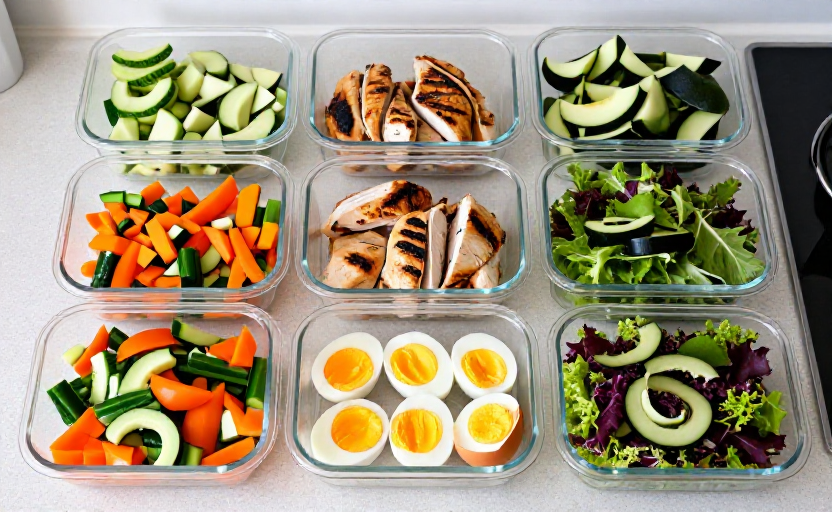
- Roasted or Grilled Chicken: Season chicken thighs or breasts simply with salt, pepper, and olive oil, then roast a large tray at once. Shred or slice it for easy use.
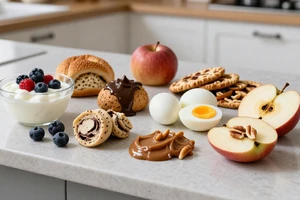
- Hard-Boiled Eggs: A classic for a reason. Make half a dozen to have on hand for adding to salads or eating with sliced vegetables.
- Pan-Seared Ground Meat: Quickly brown ground turkey, beef, or chicken with basic seasonings. It's perfect for lettuce wraps or as a salad topper.
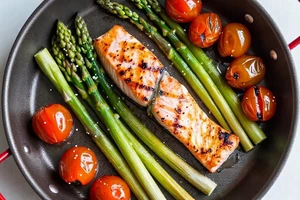
- Baked or Pan-Fried Fish: Fillets like salmon or cod cook quickly. Prepare a few extra portions while making dinner.
2. Vegetables: Volume and Variety
Prepped vegetables are what make a lunch feel fresh and abundant. Wash, dry, and store them properly to maximize crispness.
- Washed & Torn Greens: Spinach, kale, romaine, or mixed greens. Store them in a container lined with a paper towel.
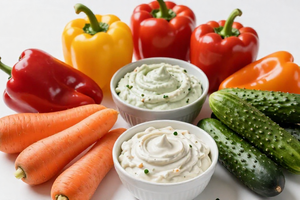
- Chopped Crudités: Bell peppers, cucumber, celery, and radishes. Keep them in water in a sealed container to stay crunchy.
- Roasted Vegetables: Broccoli, cauliflower, zucchini, and asparagus roast beautifully with oil and salt. They taste great cold or at room temperature.
3. Fats & Flavor: The Finishing Touches
These elements add richness and make your lunch genuinely enjoyable.
- Avocados: Slice or cube them just before eating, or prep a simple guacamole with lime juice to prevent browning.
- Olives, Nuts, and Seeds: Keep a small container of toasted pumpkin seeds, slivered almonds, or olives ready to sprinkle.
- Cheeses: Cubed feta, crumbled goat cheese, or slices of cheddar add protein and flavor.
- Dressings & Dips: Whisk together a large jar of a simple vinaigrette (oil, vinegar, mustard) or make a yogurt-based herb dip.
Assembly Ideas: No Cooking Required at Noon
Here’s where your prepped components come together in minutes. Think of these as templates, not rigid recipes.
The Big Salad Jar: Layer a dressing at the bottom, followed by hardy vegetables (like chopped peppers), then protein, cheese, and finally, greens on top. When you're ready to eat, shake it into a bowl.
The Protein Plate: Arrange slices of your pre-cooked protein with a generous portion of raw vegetables, a handful of olives, and a wedge of cheese. Add a side of guacamole or a dollop of pesto for dipping.
The Lettuce Wrap Station: Keep large, sturdy lettuce leaves (romaine or butter lettuce) washed and ready. Fill them with your seasoned ground meat, shredded chicken, or tuna salad mixed with avocado.
The "Bento" Box: Use a divided container to keep components separate. Fill sections with protein, roasted veggies, a fat like cheese or nuts, and perhaps a few berries for a touch of sweetness.
Smart Shortcuts for the Time-Crunched
If even component prep feels daunting, these shortcuts can keep you on track.
- Leverage Leftovers Intentionally: When making dinner, deliberately cook extra protein and vegetables. Portion them directly into lunch containers before you even sit down to eat.
- Use Quality Convenience Foods: There's no shame in using pre-washed greens, pre-cooked grilled chicken strips from the deli, or pre-steamed vegetables from the freezer aisle to fill gaps.
- Master the One-Pan Roast: On your least busy evening, toss chopped vegetables and chicken sausage or cubed tofu with oil and roast on a single sheet pan. You've just made four lunches.
The rhythm of a low-carb lifestyle doesn't have to be disrupted by a busy workday. By shifting your focus from elaborate daily cooking to strategic weekly preparation, you reclaim time and mental energy. Start with one component—maybe a batch of roasted chicken or a container of washed greens—and build from there. Consistency in this simple system leads to far greater results than perfection in any single recipe.


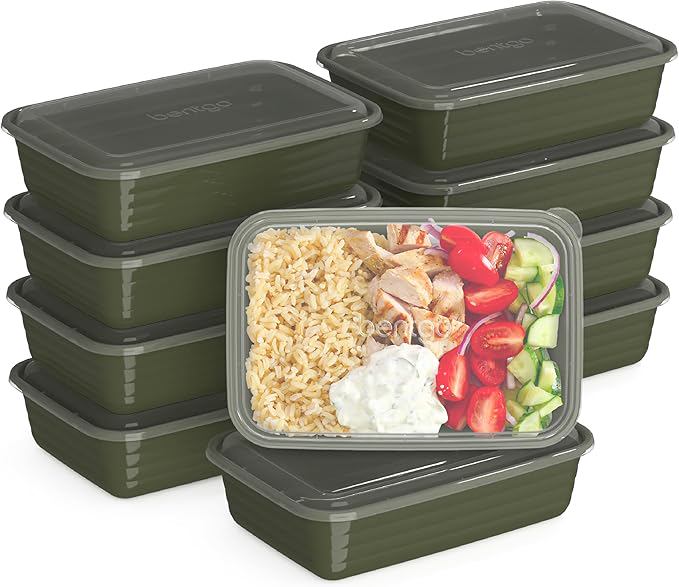

![Freshware Meal Prep Containers [50 Pack] 1 Compartment Food Storage Containers with Lids, Bento Box, BPA Free, Stackable, Microwave/Dishwasher/Freezer Safe (16 oz)](https://www.glowtheorylab.com/uploads/ad202604/65411b035c0a4f69.webp)
![[8-Pack,30 oz]Glass Meal Prep Containers,Glass Food Storage Containers,Airtight lunch Containers with Lids, Microwave, Oven, Freezer and Dishwasher](https://www.glowtheorylab.com/uploads/ad202604/51081d9654d4075b.webp)