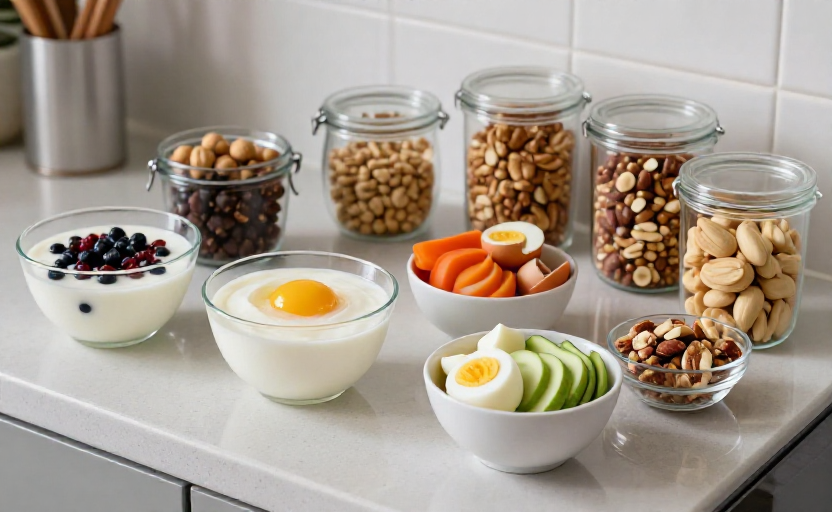
Getting enough protein throughout the day can feel like a puzzle, especially when you’re busy. You know it’s important for energy, muscle repair, and staying full, but the idea of elaborate meal prep can be daunting. The good news is that building a habit of high-protein snacking doesn’t require chef-level skills or hours in the kitchen. It’s about having a few simple, reliable strategies ready to go.
This guide is designed for anyone starting out—no fancy equipment or obscure ingredients needed. We’ll focus on practical, no-stress methods to assemble satisfying snacks that support your wellness goals, turning what can feel like a chore into a simple, sustainable part of your routine.
Why Focus on Protein for Snacks?
Protein is more than just a building block for muscles. When included in a snack, it helps stabilize your blood sugar, preventing the energy crashes that often follow a carb-heavy treat. This steady energy translates to better focus and fewer cravings later. Perhaps most importantly, protein increases satiety—the feeling of fullness. A snack with 10-20 grams of protein can keep you satisfied for hours, making it easier to avoid mindless munching and make intentional choices at your next meal.
Think of a protein-rich snack not as a mini-meal, but as a strategic tool to maintain energy and appetite until dinner.
Your Beginner-Friendly Prep Principles
Success lies in keeping things simple. Start with one or two of these approaches instead of trying to overhaul everything at once.
1. The Mix-and-Match Formula
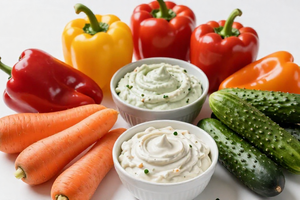
This is the easiest place to begin. Forget complicated recipes; think in categories. Combine one protein source with one or two complementary items for texture and flavor. Keep each category stocked, and you can create endless combinations in minutes.
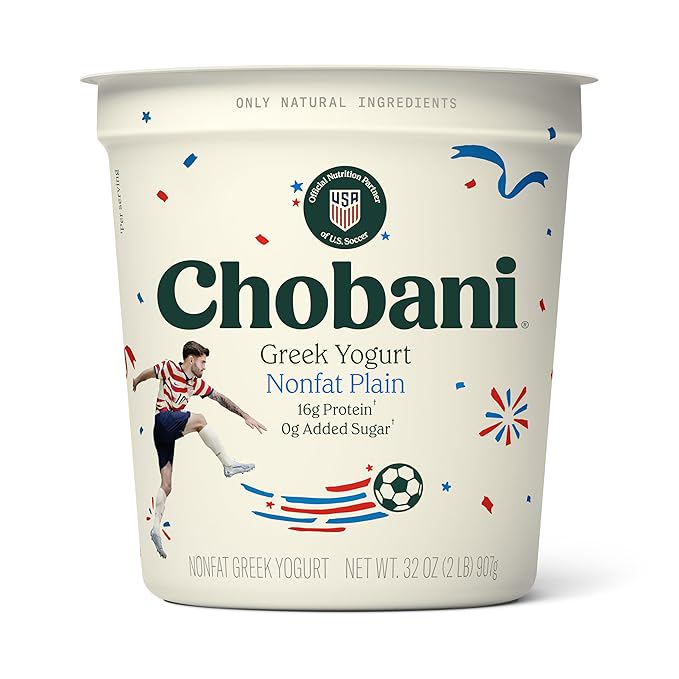
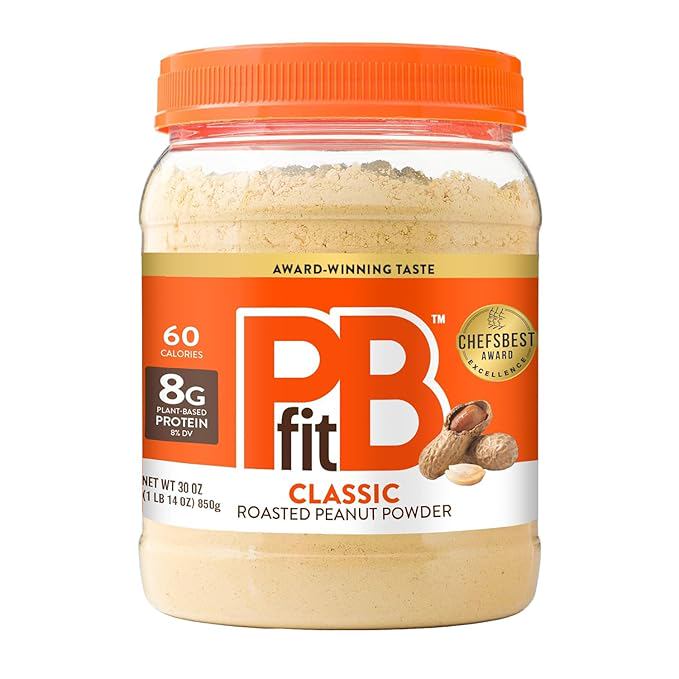
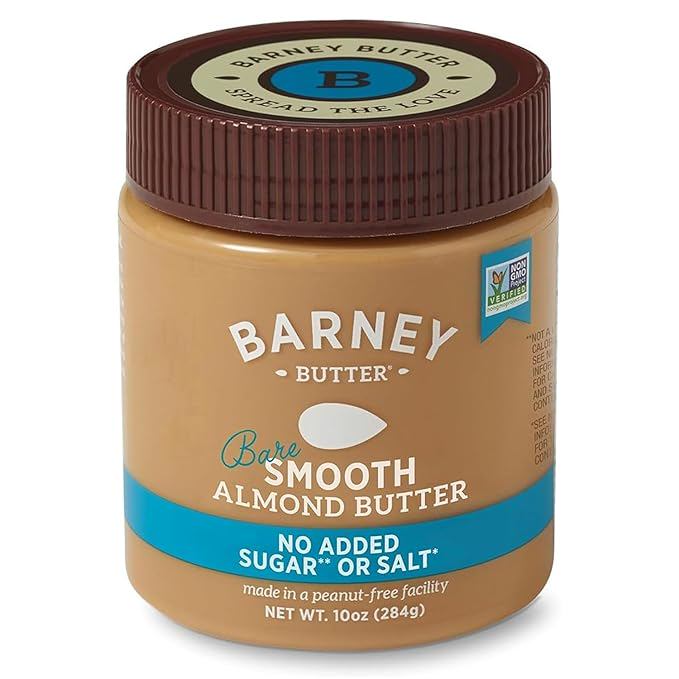
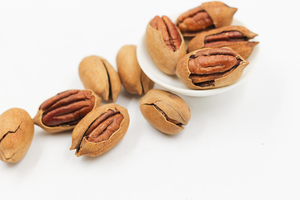
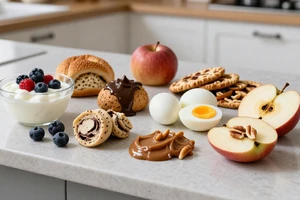
- Protein Base: Greek yogurt, cottage cheese, a hard-boiled egg, a handful of nuts, a scoop of nut butter, pre-cooked chicken or turkey slices, canned tuna or salmon, edamame, or chickpeas.
- Crunch Factor: Sliced bell peppers, cucumber, apple slices, carrot sticks, whole-grain crackers, or a small handful of whole-grain cereal.
- Flavor Boost: Everything bagel seasoning, cinnamon, a drizzle of honey or maple syrup, lemon juice, fresh herbs like dill or cilantro, or a sprinkle of chili flakes.
2. The Weekly Batch Habit
Spending 30-60 minutes once a week to prepare a few key items eliminates daily decision fatigue. Choose one or two from this list to start:
- Hard-Boiled Eggs: Cook a dozen. They’re a complete, portable protein.
- Roasted Chickpeas: Toss a can of rinsed chickpeas with olive oil and spices, roast until crispy for a fiber- and protein-packed crunch.
- Pre-portioned Nut Packs: Divide almonds, walnuts, or mixed nuts into small containers or bags to grab and go.
- Marinated Tofu or Tempeh Cubes: Bake a batch to add to salads or eat alone.
- Mason Jar Parfaits: Layer Greek yogurt, berries, and a sprinkle of seeds in a jar for a ready-to-eat snack.
5 No-Cook, High-Protein Snack Ideas
For days when even the oven feels like too much, these assemblies come together in under five minutes.
Cottage Cheese Bowl: Scoop ½ cup of cottage cheese into a bowl. Top with cherry tomatoes, a pinch of salt and pepper, and a drizzle of olive oil.
Apple & “Dip”: Slice an apple and serve with two tablespoons of almond or peanut butter for dipping.
Turkey & Cheese Roll-Ups: Take a slice of turkey breast, place a slice of cheese and a spinach leaf on it, roll it up, and secure with a toothpick.
Greek Yogurt with Berries: Mix ¾ cup of plain Greek yogurt with a handful of frozen berries (they thaw quickly and keep it cold). Add a teaspoon of chia seeds or flaxseed for extra nutrients.
Tuna Salad on Crackers: Mix a can of tuna (in water, drained) with a tablespoon of mayonnaise or Greek yogurt, some diced celery, and pepper. Serve with a few whole-grain crackers.
Smart Storage for Freshness and Convenience
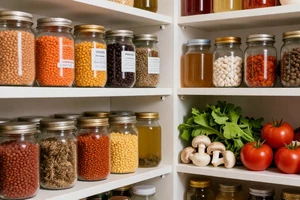
A little organization makes your prepped snacks last and easy to find. Use clear glass or BPA-free containers so you can see what’s inside. Invest in a few small containers with compartments for mix-and-match snacks like cheese cubes and grapes. Keep chopped vegetables crisp by storing them in a container with a damp paper towel at the bottom. Finally, practice the “first in, first out” rule: place newly prepped items behind older ones in the fridge so nothing gets forgotten.
Navigating Common Beginner Hurdles
It’s normal to hit a snag. Here’s how to troubleshoot.
“I get bored easily.” This is where your mix-and-match formula shines. Change your seasoning, your dipper, or your protein base each week. Try a new nut butter or a different spice blend to keep things interesting.
“I don’t have time to prep.” Start smaller. Instead of prepping five snacks, prep two. Use more ready-to-eat items like pre-sliced cheese, rotisserie chicken, or single-serve yogurt cups. The goal is consistency, not perfection.
“I’m not sure if I’m getting enough protein.” While individual needs vary, a good target for a sustaining snack is between 10 and 20 grams of protein. Check nutrition labels on yogurt, cheese, and canned goods to get a feel for what that amount looks like in your favorite foods.
Building a habit of high-protein snacking is a gentle, practical step toward supporting your energy and nutritional goals. It’s not about rigid rules or perfect recipes; it’s about creating a personal toolkit of easy options that work for your life. Start with one batch-prep item or one no-cook idea this week. Notice how you feel. That positive reinforcement—the sustained energy, the managed hunger—will be the best motivation to keep going.