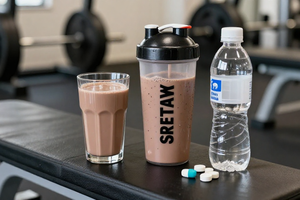
You’ve just finished a challenging workout—the kind that leaves your muscles humming with effort. In the hours and days that follow, you might be hoping for strength gains and adaptation, but often, what arrives first is the deep, familiar ache of delayed onset muscle soreness, or DOMS. While some soreness is a normal part of the process, what you eat and, crucially, when you eat it can significantly influence how quickly you recover and how intense that soreness feels.
This isn’t about chasing a mythical “anabolic window” that slams shut 30 minutes post-exercise. The reality is more nuanced and forgiving. It’s about understanding your body’s heightened state of receptiveness after exercise and providing it with the right nutrients to support repair, reduce inflammation, and ultimately, help you feel better faster.
Why Timing Matters for Soreness
Exercise, particularly strength training or unfamiliar movements, creates microscopic tears in your muscle fibers. This damage, coupled with inflammation, is the primary source of DOMS. Your body immediately initiates a repair process to rebuild those fibers stronger than before. This process requires energy and raw materials.
After a workout, your muscles are like a sponge—primed to soak up nutrients. Insulin sensitivity is elevated, and blood flow to the worked muscles remains high. This creates an optimal environment for delivering carbohydrates to replenish energy stores and amino acids (from protein) to kickstart muscle protein synthesis, the repair process. Providing these nutrients efficiently can help modulate the inflammatory response and supply the building blocks for repair, potentially lessening the severity and duration of soreness.
Think of post-workout nutrition not as a race against a clock, but as a strategic opportunity to support your body’s innate recovery systems.
The Practical Timeline: What to Focus On
Let’s move from theory to practice. Here’s a flexible, evidence-based framework for timing your nutrition to combat soreness.
The Immediate Phase (Within 2 Hours)
This is the period of greatest opportunity. Aim to consume a meal or snack containing both protein and carbohydrates within two hours after finishing your session. If you’ve trained intensely, are in a fasted state, or have another workout scheduled within 24 hours, leaning toward the earlier side of this window can be beneficial.
What this does: The protein provides amino acids like leucine, which directly signal muscle repair. The carbohydrates replenish glycogen (stored energy) in your muscles and liver, and the resulting insulin spike helps drive amino acids into the muscle cells. This one-two punch begins the recovery process in earnest, helping to manage the inflammatory cascade that leads to soreness.
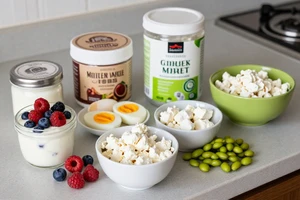
A simple example could be a smoothie with Greek yogurt and fruit, a turkey sandwich, or a bowl of cottage cheese with berries.
The Extended Recovery Window (Up to 24 Hours)
The recovery process isn’t over after one snack. Your body continues repairing muscle for up to 24-48 hours post-exercise. Your overall daily nutrition intake is arguably more important than the timing of any single meal.
What to focus on: Ensure you’re eating adequate protein spread throughout the day—aim for a serving with each meal. Continue consuming nutrient-dense carbohydrates and plenty of anti-inflammatory foods. Staying well-hydrated is also critical, as dehydration can exacerbate muscle soreness and cramping.
This is where a balanced lunch and dinner rich in lean protein, colorful vegetables, and whole grains play a long game in your recovery.
Key Nutrients to Target for Less Soreness
Beyond just “protein and carbs,” certain nutrients have particular value in managing post-exercise inflammation and soreness.
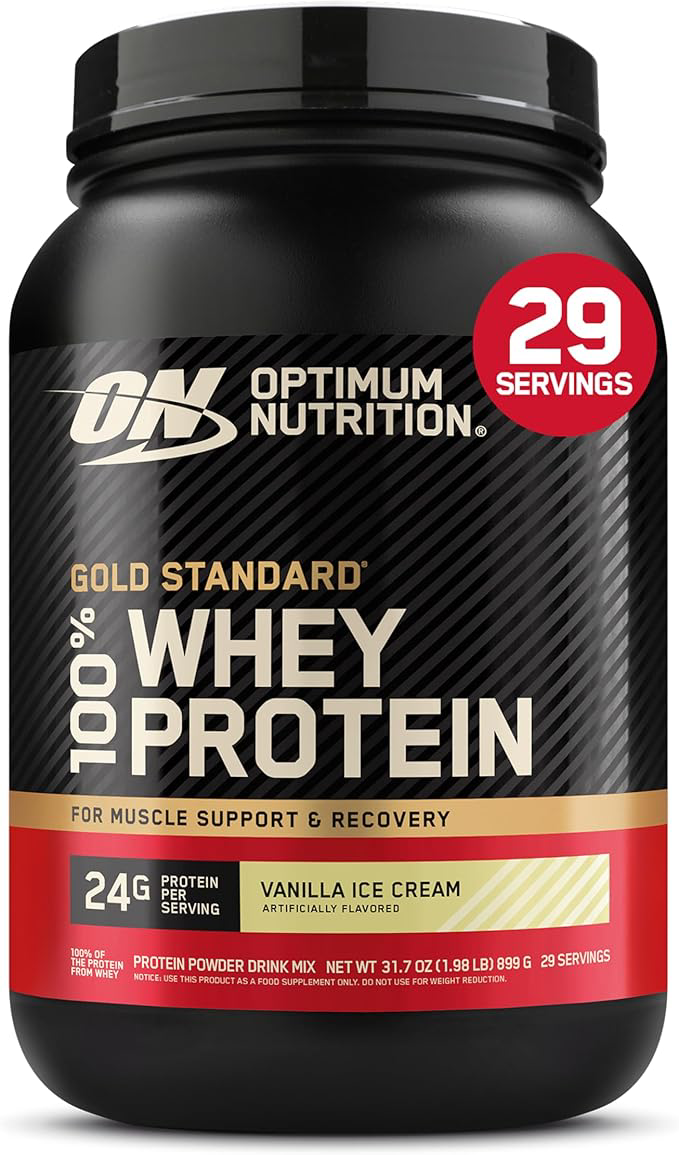
- High-Quality Protein: Sources like whey, eggs, chicken, fish, and legumes provide the essential amino acids necessary for muscle repair. About 20-30 grams post-workout is a good target for most people.
- Anti-inflammatory Fats: Omega-3 fatty acids, found in fatty fish (salmon, mackerel), walnuts, and flaxseeds, can help temper the inflammatory response.
- Antioxidant-Rich Foods: Colorful fruits and vegetables (berries, cherries, leafy greens, beets) are packed with antioxidants like vitamin C and polyphenols that combat exercise-induced oxidative stress.
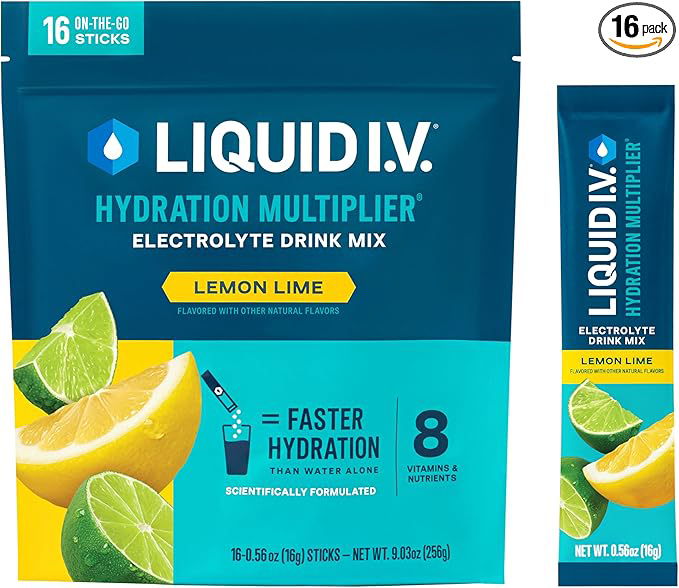
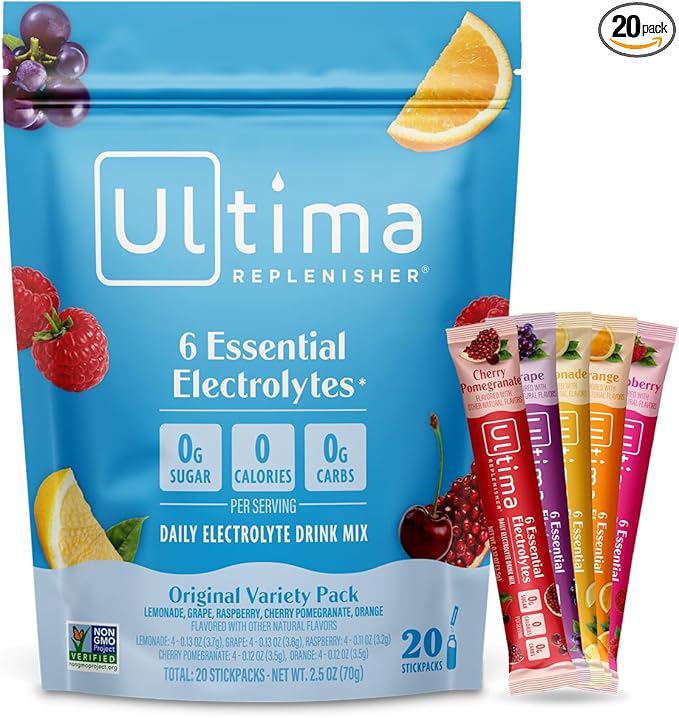
- Electrolytes: Sodium, potassium, and magnesium lost through sweat need to be replaced. They are vital for muscle function and hydration. Coconut water, bananas, and leafy greens are great whole-food sources.
Sample Post-Workout Meals & Snacks
You don’t need special products. Here are balanced, real-food options that fit the recovery blueprint:
- Grilled chicken or tofu with sweet potato and steamed broccoli.
- Salmon salad on whole-grain toast with a side of mixed berries.
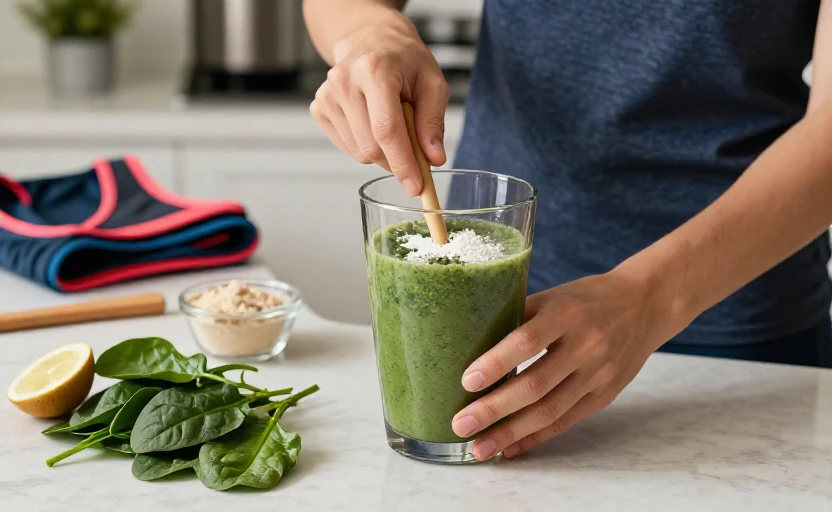
- A smoothie made with spinach, frozen cherries, protein powder, and almond milk.
- Greek yogurt topped with granola and a sprinkle of chia seeds.
- Scrambled eggs with whole-wheat toast and avocado.
Common Timing Myths Debunked
Myth: “You must eat within 30 minutes or you’ll lose all the benefits.”
This is an oversimplification. While earlier intake can be advantageous, the “window” is much wider than once thought. The total protein and energy you consume over the entire day matters most.
Myth: “If you’re not sore, your workout wasn’t effective.”
Soreness is not a reliable indicator of workout quality or muscle growth. As your body adapts, you’ll experience less DOMS, even from very effective sessions.
Myth: “Only protein matters after a workout.”
Carbohydrates are equally important. They restore energy, create a hormonal environment conducive to repair, and spare protein so it can be used for muscle rebuilding instead of energy.
Ultimately, post-workout nutrition timing is a powerful tool you can use to feel better and recover more efficiently. By consistently providing your body with the right nutrients in the hours after exercise, you support its natural repair processes, which can lead to less pronounced soreness and a quicker return to feeling strong and ready for your next activity. Listen to your body, prioritize whole foods, and view this not as a strict rule, but as a consistent practice of supporting your hard work.