You’ve just finished a workout, muscles humming, and you’re ready for the next step: recovery. The question of when to eat after exercise can feel like a puzzle, surrounded by talk of anabolic windows and protein synthesis. For someone new to strength training, it’s easy to get lost in the details. Let’s simplify it. The core idea isn't about racing against a stopwatch; it's about supporting your body's natural repair process with thoughtful nourishment.
Think of your workout as the stimulus—the signal to your muscles to adapt and grow stronger. The food you eat afterward provides the raw materials for that rebuilding project. Getting the timing right helps ensure those materials are available when your body is most ready to use them. It’s a practical habit that, once established, becomes as routine as your cool-down.
Why does meal timing matter after a workout?
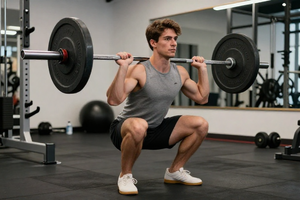
During strength training, you create microscopic tears in your muscle fibers. This is a normal, necessary part of getting stronger. Your body then goes to work repairing and reinforcing those fibers, a process that requires energy and protein. The period following your workout is when your muscles are particularly receptive to nutrients that aid this repair.
Two primary systems need replenishment: your glycogen stores (the carbohydrates stored in your muscles and liver for energy) and your muscle protein balance. Exercise depletes glycogen and increases the rate of muscle protein breakdown. A post-workout meal helps reverse this by replenishing energy stores and providing amino acids from protein to shift the balance toward muscle protein synthesis—the building of new muscle.
Timing influences the efficiency of this process, not whether it happens at all. It’s about maximizing the benefit of the effort you just put in.
What is the "anabolic window" and is it real?
You may have heard of the "anabolic window of opportunity"—a tight 30- to 60-minute period after exercise where you must eat or miss your gains. This concept can create unnecessary anxiety.
The reality for beginners is more forgiving. While there is a period of enhanced nutrient sensitivity, it’s wider than once thought. For most people doing a typical beginner or moderate routine, the body remains primed for nutrient uptake for several hours post-exercise—not just minutes.
The goal isn't panic-eating at the gym door, but planning to eat a balanced meal within a few hours of finishing your session.
If you work out first thing in the morning, having breakfast afterward is perfect. If you exercise before lunch or dinner, that meal becomes your recovery fuel. The urgency increases if you train in a fasted state (like before breakfast) or have two training sessions close together. For the vast majority of beginners with single, daily workouts, consistency over days and weeks matters far more than hitting a precise minute-by-minute target.
A practical timeline for beginners
So, what’s a sensible, stress-free approach? Think in terms of two phases: immediate replenishment and a full recovery meal.
Within 30-60 minutes post-workout: Focus on hydration. Drink water. If your workout was intense or long, or if you simply feel hungry, a small snack can be helpful here. This is especially true if your next full meal is more than two hours away. A simple combo like a piece of fruit with a handful of nuts, or a yogurt, can bridge the gap comfortably.
Within 2-3 hours post-workout: Aim to have your next substantial, balanced meal. This is your primary recovery window. This meal should contain a good source of protein to provide amino acids, some carbohydrates to replenish glycogen, and some healthy fats for overall nutrition and satiety.
This framework removes the clock-watching and integrates recovery into your normal eating schedule.
What should your post-workout meal include?
The composition of your meal is just as important as the timing. Aim for balance and whole foods.
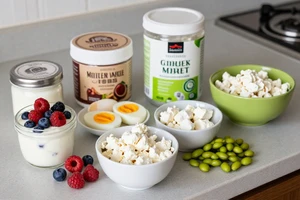
- Protein: Essential for muscle repair. Think lean meats, fish, eggs, dairy (like Greek yogurt or cottage cheese), legumes, or tofu.
- Carbohydrates: Restore your energy levels. Opt for complex carbs like sweet potatoes, brown rice, quinoa, oats, or whole-grain bread.
- Fats: Include a moderate amount of healthy fats from sources like avocado, olive oil, or nuts. While fats are vital for health, a very high-fat meal immediately after training might slow digestion slightly, so keeping fats moderate in this specific meal is a common practice.
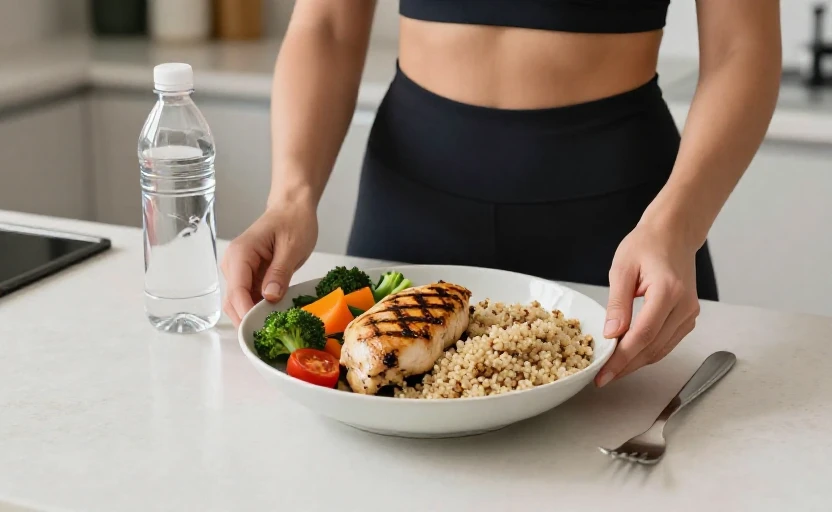
A sample plate might look like a grilled chicken breast, a serving of quinoa, and steamed broccoli drizzled with olive oil. Or, for a quicker option, a smoothie made with protein powder, a banana, spinach, and almond milk.
Don't forget hydration
Replacing fluids lost through sweat is a critical part of recovery that often gets overshadowed by food talk. Water supports every metabolic process, including nutrient transport and muscle function. Sip water throughout your workout and continue afterward. For most moderate workouts, water is sufficient. For exceptionally long or intense sessions, an electrolyte-containing beverage can be useful.
Common questions from beginners
What if I'm not hungry after working out?
This is common, especially after intense exercise that temporarily suppresses appetite. Hydration is your first priority. If you can't face a full meal, start with a liquid option like a smoothie or a small, easily digestible snack. Listen to your body, but plan to eat your next regular meal as soon as you feel able.
Is a protein shake necessary?
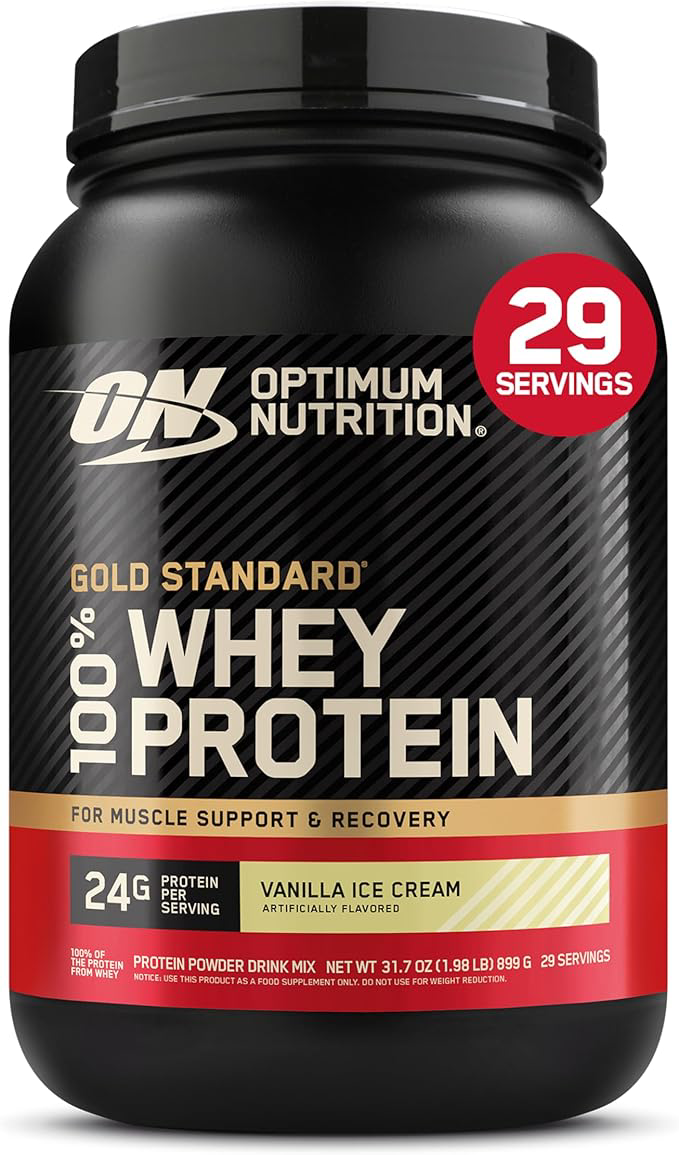
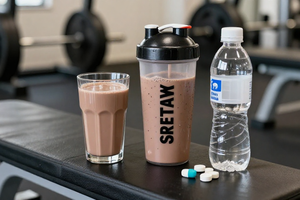
No, it's not necessary, but it can be convenient. Whole food should be your foundation. A shake can be a useful tool when you're short on time, need something easily digestible, or struggle to eat soon after training. It's a supplement to your diet, not a requirement.
How does this change if my goal is fat loss?
The principles remain similar. Providing your muscles with protein post-workout is crucial for preserving lean muscle mass while in a calorie deficit. You may adjust portion sizes and carbohydrate amounts based on your overall calorie goals, but skipping the post-workout meal entirely is not advisable, as it can lead to muscle loss and hinder recovery.
The most impactful thing you can do is establish a routine. Find a timing pattern that fits your life and a few simple meal options you enjoy. That consistency, paired with your effort in the gym, will build the foundation for progress far more than any perfectly timed, overly complex regimen.