
Pregnancy reshapes the body in countless ways, and for many women, the skin becomes a surprising diary of those changes. Acne that vanished years ago can return with a vengeance, or skin that has always been oily may suddenly behave unpredictably. The cause is hormonal, not a reflection of your skincare routine, but that does not make the breakouts any less frustrating. Understanding how acne-prone skin behaves during each trimester can help you adapt your care without guessing.
Here is what tends to happen, what you can actually do about it, and which ingredients are safe to reach for at each stage.
First trimester: the surge of sebum
During the first three months, progesterone and human chorionic gonadotropin (hCG) rise sharply. These hormones stimulate the sebaceous glands to produce more oil. Combined with an increase in blood volume, the skin often appears flushed and slightly more congested. For someone already prone to breakouts, this is the period when clogged pores and inflammatory acne most commonly begin.
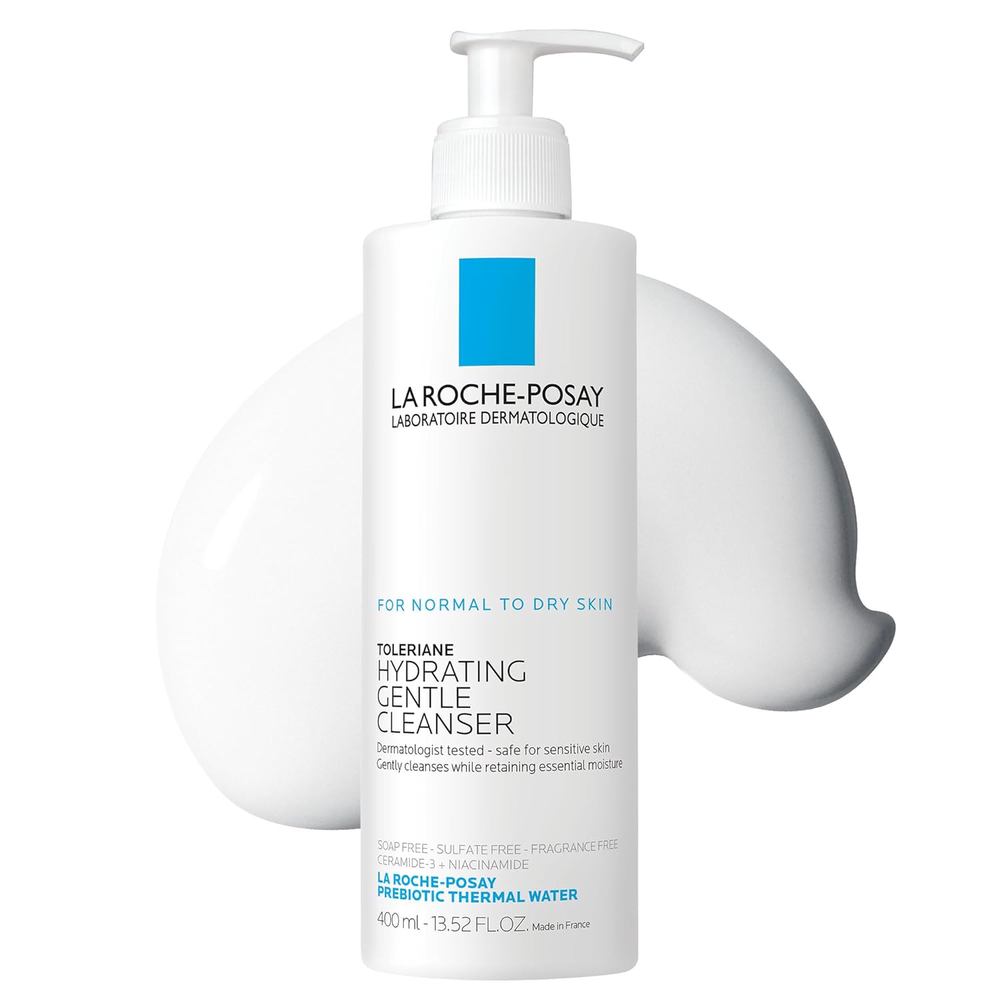
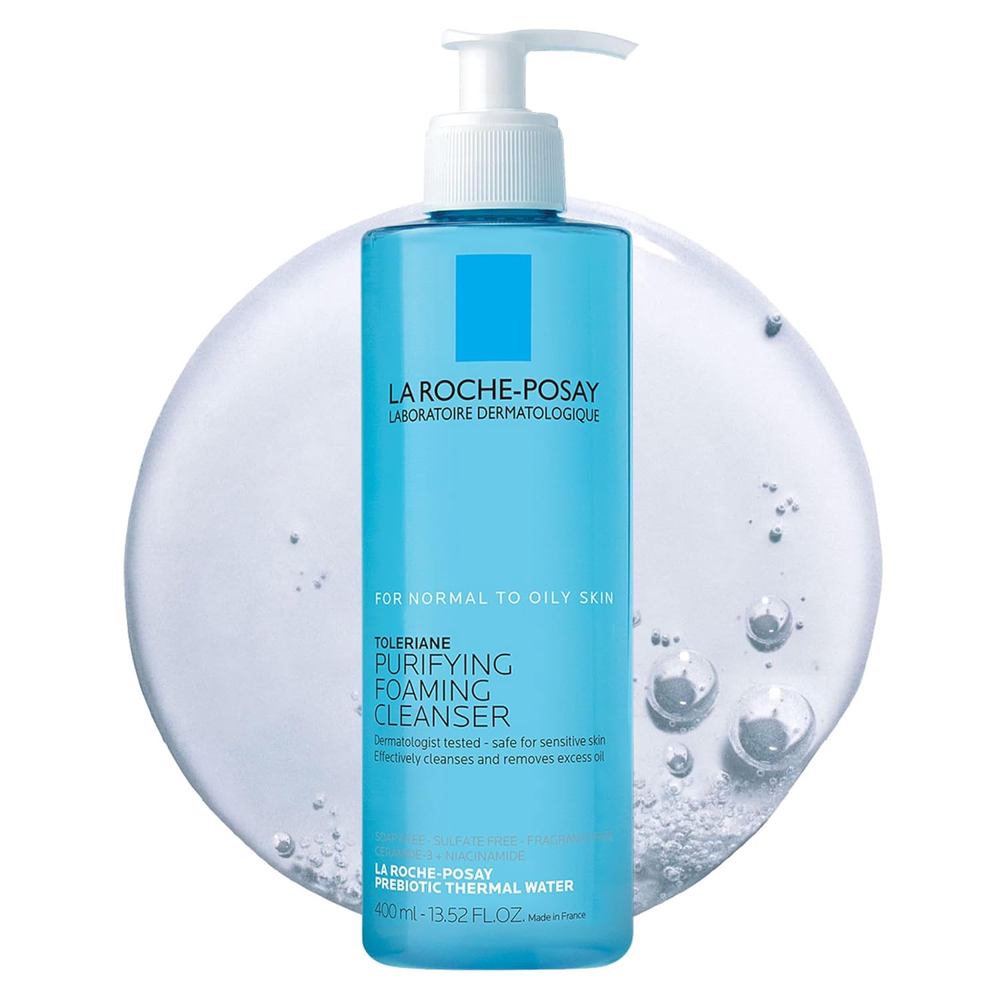
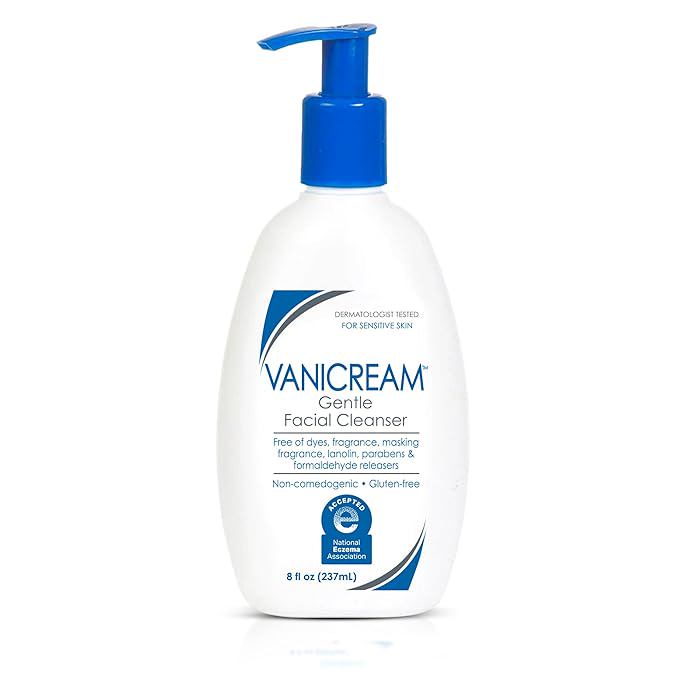
Keep cleansing gentle but consistent. A milky or gel cleanser with a low concentration of salicylic acid (typically 0.5% to 1%) is considered safe in pregnancy when used topically in small amounts. Stick to once-daily use and avoid high-percentage peels or serums. Avoid retinoids, including retinol and prescription tretinoin, during the entire pregnancy.
Moisturizing is essential even when the skin feels oily. Dehydrated skin will often overcompensate by producing even more oil. Look for a lightweight, non-comedogenic moisturizer with ceramides or hyaluronic acid. If morning sickness makes a multi-step routine overwhelming, a single nourishing moisturizer and a gentle cleanser are enough.
Second trimester: shifting breakouts and pigmentation
Between weeks 13 and 26, many women find their overall breakout pattern changes. You may see fewer deep cysts but more closed comedones along the jawline, chin, or upper back. This is also the trimester when melasma—sometimes called the mask of pregnancy—can appear as dark patches on the cheeks, forehead, or upper lip.
Treating acne during this period requires extra caution because some common ingredients can increase pigmentation risk or affect fetal development. Azelaic acid is a solid option for both breakouts and early melasma. It works by calming inflammation and regulating the keratinization process inside pores. It is generally recognized as safe during pregnancy and can be used twice daily if tolerated.
Niacinamide is another good choice. It helps balance oil production, strengthens the skin barrier, and does not cause photosensitivity. Avoid hydroquinone and high-dose oral supplements like vitamin A derivatives.
Sun protection becomes non-negotiable in the second trimester. Melasma triggered during pregnancy can become permanent if exposed to UV light repeatedly. Mineral sunscreens with zinc oxide or titanium dioxide are the safest bet.
Third trimester: inflammation and barrier stress
As the body prepares for delivery, inflammation levels rise. Cortisol and estrogen fluctuations can lead to red, angry-looking breakouts, often on the cheeks and around the mouth. The skin may feel more reactive than in earlier months. At the same time, physical discomfort from the belly and joints can make a full skincare routine feel like a chore.
Simplify. Focus on reducing irritation rather than aggressively treating every pimple. A gentle routine of micellar water followed by a soothing moisturizer can be surprisingly effective. If you want an active ingredient, consider a low-dose benzoyl peroxide wash (2.5% to 4%), which is considered safe for short contact therapy during pregnancy. Rinse it off after sixty seconds to minimize dryness.
Managing inflammation from the inside also matters. Staying well hydrated and eating a diet with adequate omega-3 fatty acids (found in walnuts, flaxseed, and fatty fish) can help temper systemic inflammation that shows up as acne. Avoid stress-shopping for harsh new treatments; the last few weeks are not the time to experiment with chemical peels or high-concentration actives.
Ingredients to avoid throughout pregnancy
Some skincare ingredients carry known or theoretical risks during pregnancy and should be set aside until after delivery and breastfeeding. These include retinoids (retinol, retinaldehyde, tretinoin, isotretinoin), high-dose salicylic acid (any product over 2% or leave-on formulas that exceed small spot treatments), hydroquinone, and chemical sunscreens containing oxybenzone. Oral spironolactone, sometimes used for hormonal acne, is also not recommended during pregnancy.
Essential oils vary widely in safety. Clary sage, rosemary, and cinnamon bark oil can stimulate contractions when used in high concentrations, so avoid them in massage oils or concentrated serums during the third trimester especially.
Always check with your obstetrician or dermatologist before starting any new product, particularly if you are unsure about the concentration or delivery method.
When to see a dermatologist
If breakouts are painful, widespread, or causing scarring, do not wait until after the baby arrives. A board-certified dermatologist can prescribe topical clindamycin or erythromycin, both of which are generally considered safe in pregnancy for limited use. For severe cases, certain oral antibiotics like cephalexin may be options, but only under close medical supervision.
Pregnancy acne is temporary, but the skin changes can feel relentless while you are living through them. Focus on gentle care, sun protection, and the few safe active ingredients that actually work. Your skin will likely settle down in the months after delivery as your hormones return to baseline. In the meantime, kindness toward yourself matters more than any product in your cabinet.