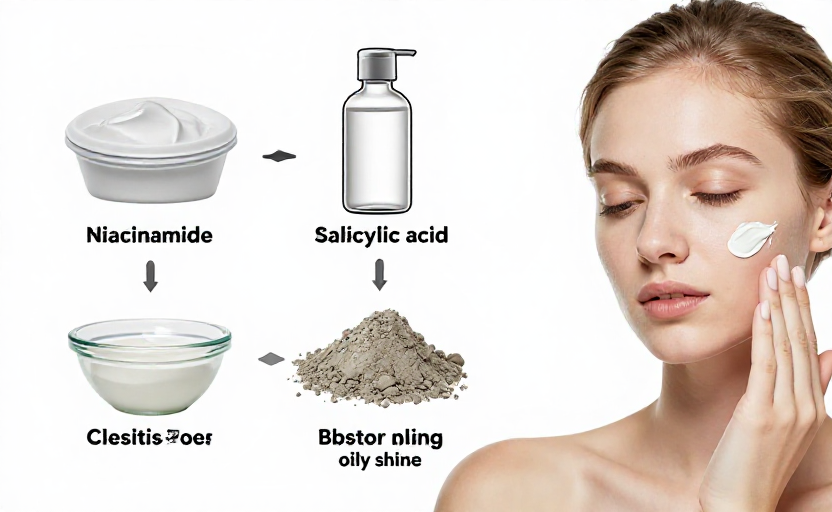
Navigating the world of skincare for oily skin can feel like a balancing act. You want to manage shine and prevent breakouts without stripping your skin’s natural moisture barrier. The key lies not in a single miracle product, but in understanding the ingredients that do the work. This guide breaks down the most effective components to look for, explaining what they do and why they matter for your skin’s unique needs.
Think of your skincare routine as a team, with each ingredient playing a specific position. Some absorb excess oil, others gently exfoliate, and a few help calm inflammation. Knowing which players to recruit makes building an effective regimen much simpler and more successful.
What makes skin oily, anyway?
Oily skin is primarily the result of overactive sebaceous glands. These glands produce sebum, a natural oil that helps keep your skin hydrated and protected. When they produce too much, it can lead to a persistent shine, enlarged pores, and a higher likelihood of clogged pores and acne. Factors like genetics, hormones, stress, and even the wrong skincare products can signal these glands to go into overdrive. The goal of effective skincare isn’t to eliminate all oil—that would damage your skin barrier—but to manage it intelligently and keep pores clear.
Core ingredients for managing oil and shine
These are the foundational players in any routine for oily skin. They work directly on the surface to control excess sebum and refine skin texture.
Niacinamide
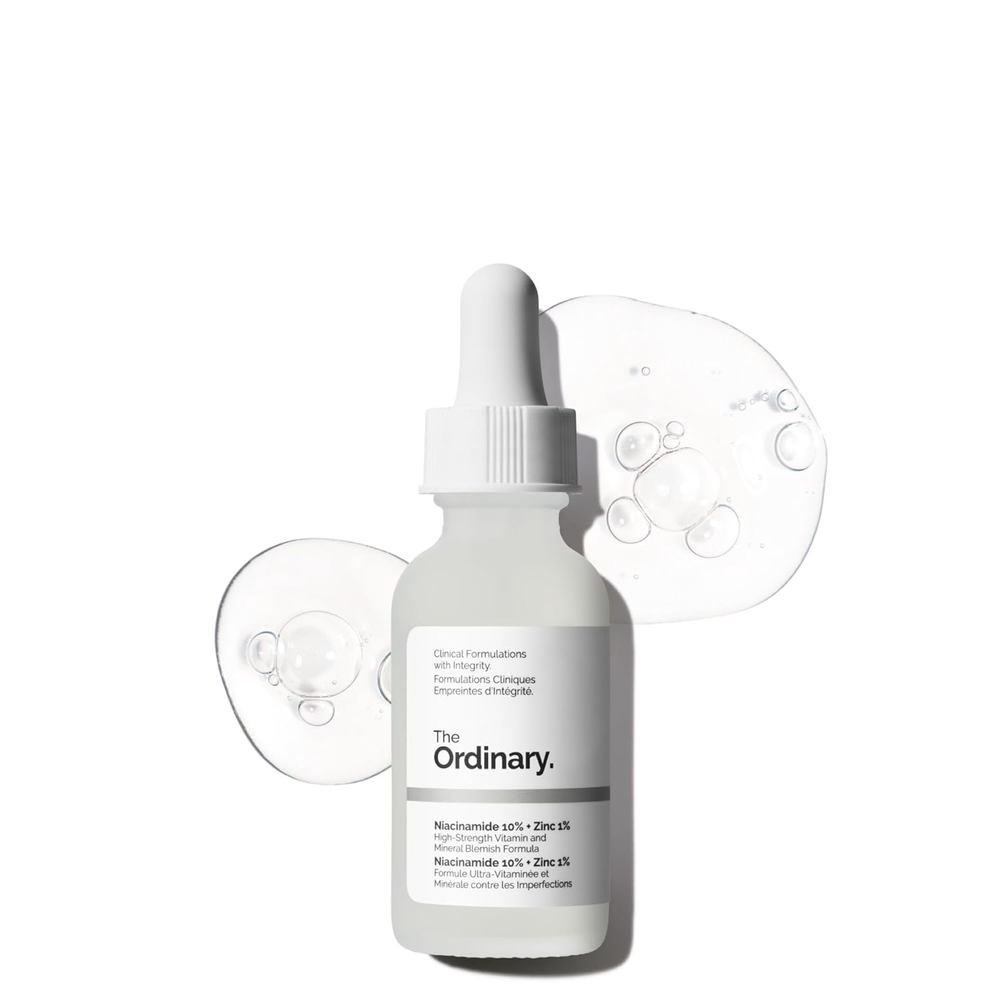
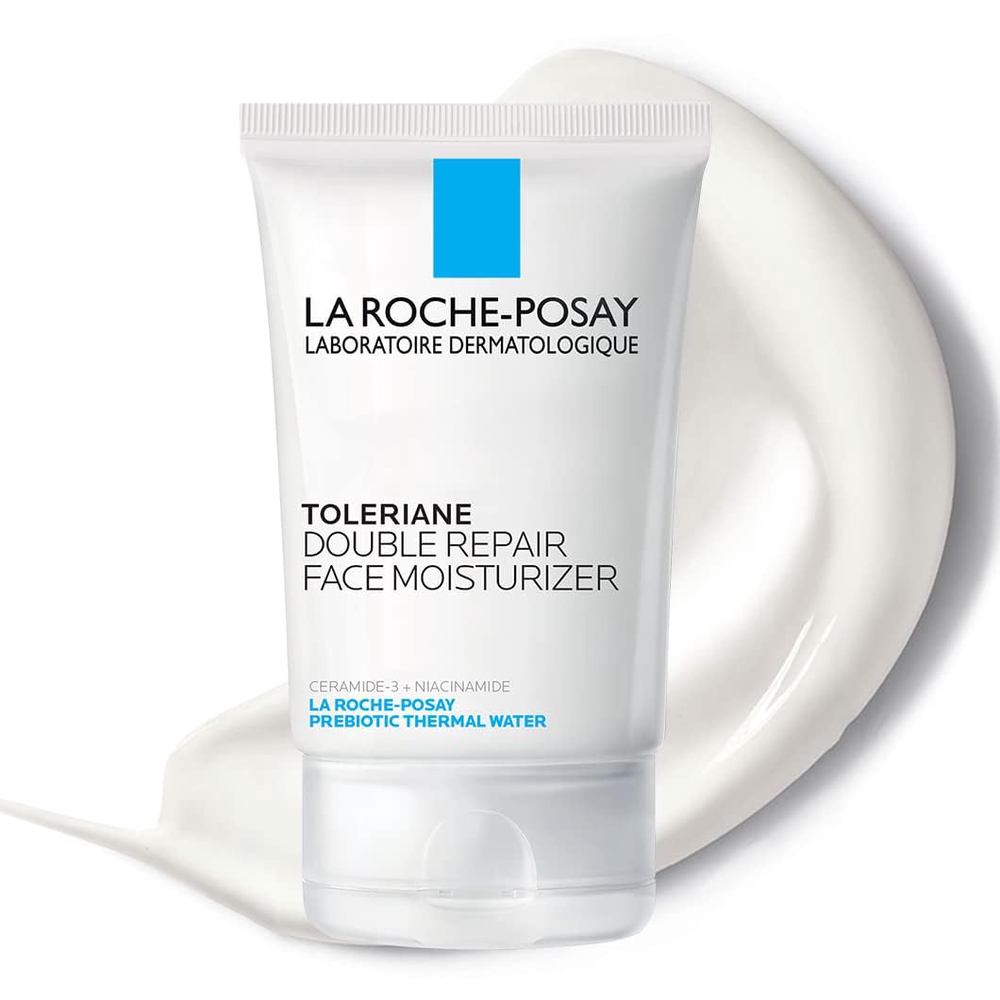
Niacinamide, a form of vitamin B3, is a multitasking superstar. It helps regulate oil production over time, minimizing that midday shine. Beyond oil control, it strengthens the skin barrier, reduces redness, and improves the appearance of enlarged pores. It’s gentle enough for most skin types and plays well with other ingredients, making it an excellent foundational component in serums or moisturizers.
Salicylic Acid
Salicylic acid is a beta-hydroxy acid (BHA) known for its ability to dive deep into pores. Because it’s oil-soluble, it can cut through sebum to exfoliate inside the pore lining, helping to dislodge debris that leads to blackheads and breakouts. It’s a go-to for treating and preventing acne while also providing a mild anti-inflammatory effect. You’ll often find it in cleansers, toners, and spot treatments.
Start with a salicylic acid product used just a few times a week to see how your skin responds before moving to daily use.
Clay
Ingredients like kaolin, bentonite, and French green clay are nature’s blotting papers. They work by adsorbing—literally drawing out—excess oil and impurities from the skin’s surface. A weekly clay mask can provide a deep cleanse, temporarily refine pores, and leave skin with a matte finish. They’re best used intermittently to avoid over-drying.
Ingredients for gentle exfoliation and renewal
Exfoliation is crucial for oily skin to prevent dead skin cells from mixing with oil and clogging pores. Chemical exfoliants are typically more effective and gentle than physical scrubs for this skin type.
Alpha-Hydroxy Acids (AHAs)
AHAs like glycolic acid and lactic acid are water-soluble acids that work on the skin’s surface. They help dissolve the "glue" that holds dead skin cells together, promoting a smoother, brighter complexion and allowing other products to penetrate better. They can improve skin texture and the appearance of pores but don’t clean inside them like salicylic acid does.
Polyhydroxy Acids (PHAs)
PHAs, such as gluconolactone and lactobionic acid, are a newer generation of gentle exfoliants. Their larger molecular size means they work more slowly and on the very surface of the skin, making them ideal for those with oily skin that is also sensitive or prone to irritation from stronger acids. They provide exfoliation while also offering hydrating and antioxidant benefits.
Soothing and barrier-supporting ingredients
It’s a common mistake to attack oily skin with harsh, drying products. This can backfire, causing your skin to produce even more oil to compensate. Incorporating calming, barrier-supporting ingredients is essential for maintaining healthy, balanced skin.
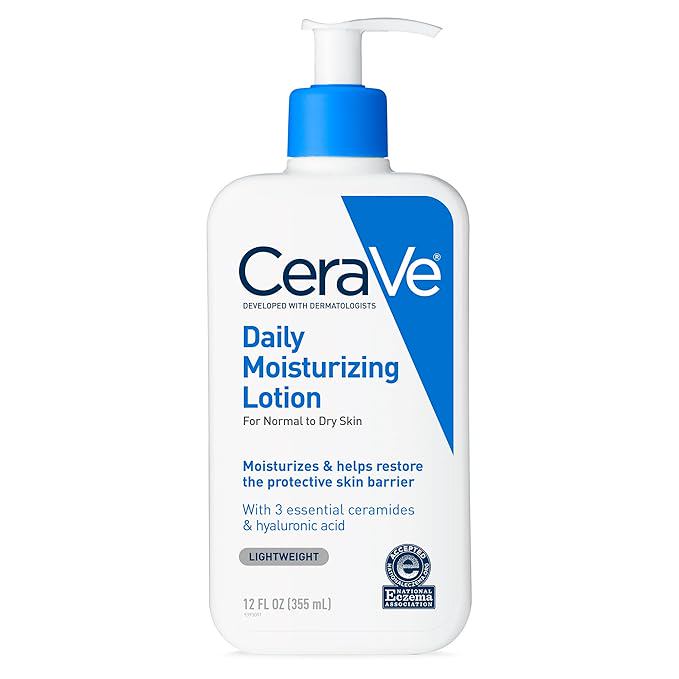
Zinc PCA is a mineral compound that helps regulate sebum production and has anti-inflammatory properties, making it useful for acne-prone skin. Centella Asiatica (Cica) is a botanical extract renowned for its soothing, healing, and anti-redness effects. Ceramides are lipids that form a crucial part of the skin’s natural barrier; using them in lightweight formulations helps keep the barrier intact without feeling heavy or greasy.
How to build your routine
Start simple. A basic, effective routine for oily skin needs just a few key steps: a gentle cleanser, a treatment product (like a serum with niacinamide or salicylic acid), and a lightweight, non-comedogenic moisturizer. Sunscreen is non-negotiable every morning, as some ingredients can increase sun sensitivity.
Introduce one new ingredient at a time, and give it a few weeks to see how your skin reacts. Consistency is more valuable than complexity. If you use a treatment acid like salicylic acid or an AHA, you don’t need to use it twice a day—often, an evening application is sufficient. Listen to your skin; if it feels tight, itchy, or looks red, scale back and focus on soothing ingredients.
Choosing products for oily skin is less about chasing trends and more about understanding the reliable ingredients that address your core concerns. By looking for these key players—niacinamide for regulation, salicylic acid for pore-clearing, gentle acids for exfoliation, and soothing agents for balance—you can curate a routine that manages shine effectively while supporting your skin’s long-term health.