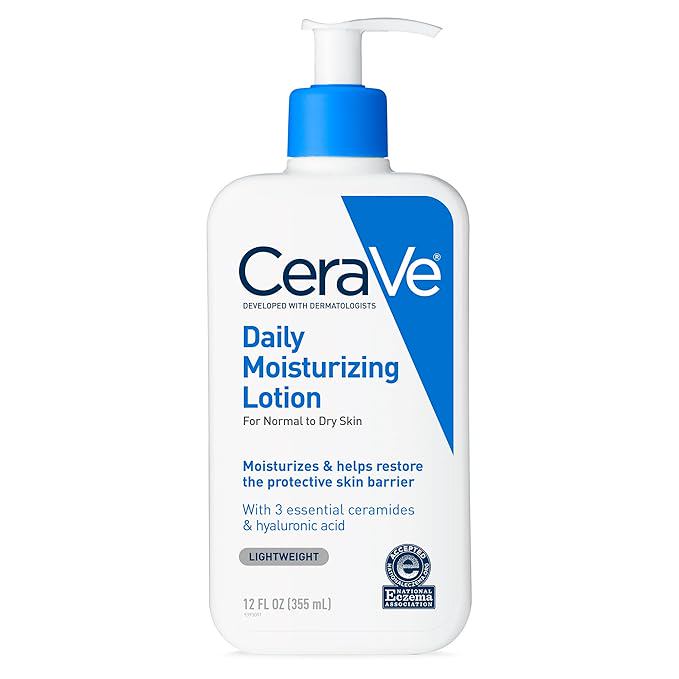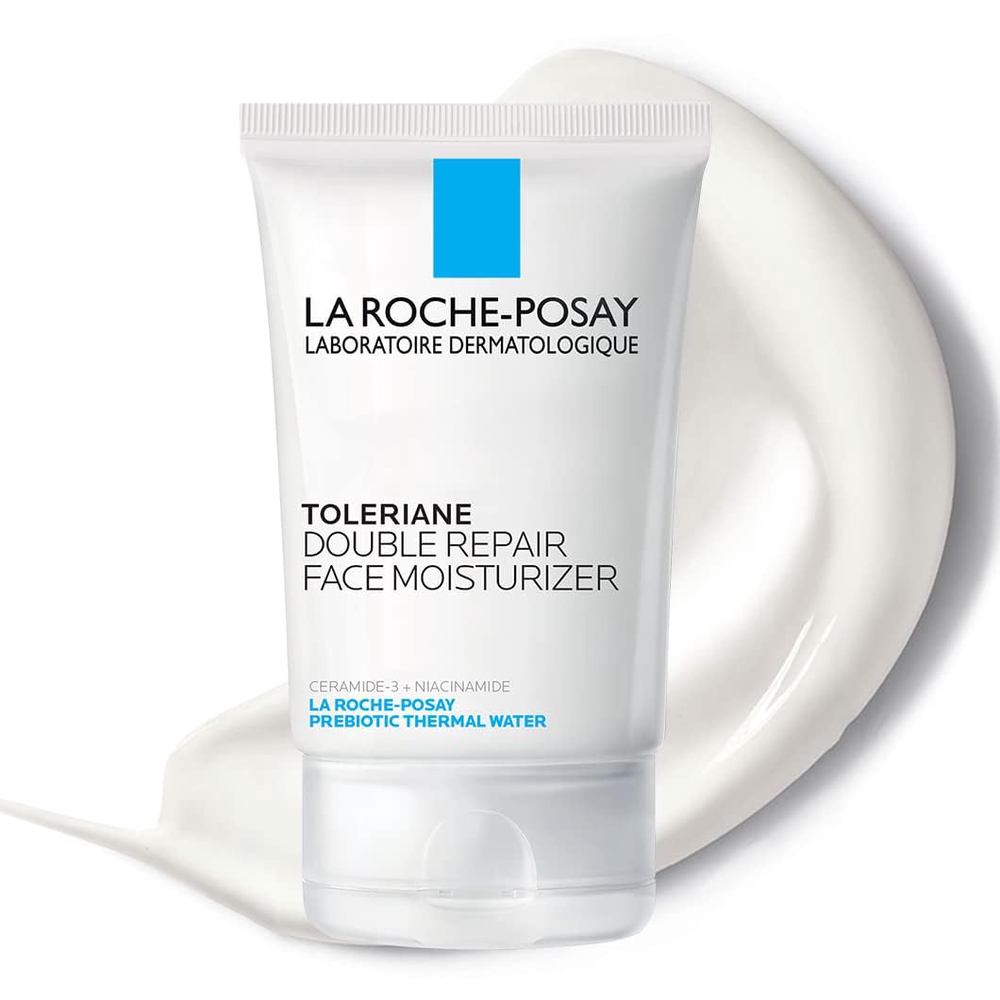
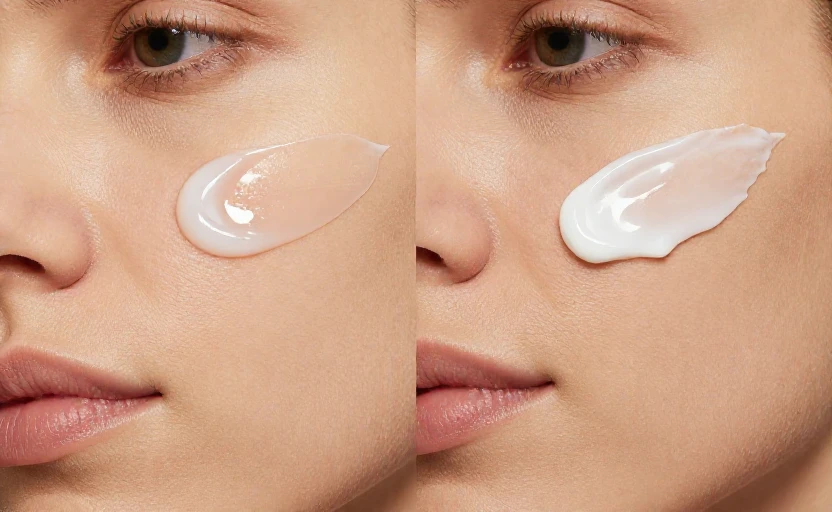
Choosing a moisturizer when you're prone to clogged pores or breakouts can feel like navigating a minefield. You know your skin needs hydration, but the wrong formula can lead to a fresh crop of blemishes. This is where non-comedogenic moisturizers come in—products specifically formulated to hydrate without clogging pores. But what makes them different? The answer lies in their ingredients. This guide will help you understand the key components to look for, so you can make informed choices for your skin's health.
What does "non-comedogenic" really mean?
At its core, "non-comedogenic" is a label that suggests a product is less likely to cause comedones—the medical term for clogged pores that lead to whiteheads and blackheads. It's not a guarantee, as everyone's skin reacts differently, but it indicates the formula was designed with pore-clogging potential in mind. The ingredients are typically lighter, less oily, and chosen for their ability to sit on or in the skin without blocking its natural exit routes.
Think of non-comedogenic ingredients as lightweight, breathable fabrics for your skin, allowing it to function normally while still receiving essential moisture.
Key hydrating ingredients in non-comedogenic formulas
Effective hydration doesn't have to come from heavy oils. Modern skincare science offers brilliant alternatives that provide deep moisture without the weight.
Hyaluronic Acid
This is a superstar for a reason. Hyaluronic acid is a humectant, meaning it draws water from the air into your skin. A single molecule can hold up to 1,000 times its weight in water. In non-comedogenic moisturizers, it delivers intense, plumping hydration with a feather-light finish that absorbs quickly and doesn't leave a greasy film.
Glycerin
A classic, reliable humectant, glycerin is a workhorse ingredient. It's lightweight, effective, and well-tolerated by most skin types. It helps to maintain the skin's moisture barrier by preventing water loss, making it a foundational element in many gentle, non-clogging formulas.
Niacinamide (Vitamin B3)
This multi-tasking ingredient does far more than hydrate. Niacinamide helps strengthen the skin's barrier, improves texture, and can help regulate oil production. By calming inflammation and reducing redness, it's particularly beneficial for acne-prone skin that still needs moisture. Its lightweight nature makes it a perfect fit for non-comedogenic products.
Beneficial oils and emollients that won't clog pores
Contrary to popular belief, not all oils are problematic. Certain plant-derived oils are non-comedogenic and excellent for delivering fatty acids that support the skin's barrier.
- Squalane: Derived from olives or sugarcane, squalane is a lightweight oil that mimics your skin's own sebum. It moisturizes deeply, improves elasticity, and absorbs without leaving any greasy residue.
- Hemp Seed Oil: Known for its low comedogenic rating, this oil is rich in omega-3 and omega-6 fatty acids. It moisturizes while having anti-inflammatory properties that can soothe irritated, breakout-prone skin.
- Sunflower Seed Oil: A light, fast-absorbing oil rich in vitamin E and linoleic acid. Linoleic acid is often found to be deficient in acne-prone skin, and replenishing it can help keep pores clear.
Ingredients to support skin health and clarity
The best non-comedogenic moisturizers do more than just add water; they help create an environment where skin can thrive and stay clear.
Ceramides
These are lipid molecules that make up about 50% of your skin's natural barrier. Think of them as the mortar between your skin's brick-like cells. Non-comedogenic moisturizers with ceramides help repair and maintain this barrier, preventing moisture loss and protecting against irritants that can exacerbate breakouts.
Zinc
Often included in mineral form (like zinc oxide), zinc has anti-inflammatory and mildly astringent properties. It can help calm redness and irritation associated with acne, making it a supportive ingredient in moisturizers for reactive, combination, or oily skin types.
What to be cautious of
While ingredient reactions are personal, some commonly flagged pore-cloggers include heavy oils like coconut oil (highly comedogenic for many), cocoa butter, and some forms of lanolin. Silicones like dimethicone are a debated category—they are non-comedogenic by definition and create a smooth barrier, but some individuals find they can trap other products or sebum underneath, leading to congestion. If your skin is extremely clog-prone, you may want to patch-test products with high concentrations of silicones.
The most important tool is knowing your own skin. An ingredient that causes issues for one person may be perfectly fine for another. When trying a new non-comedogenic moisturizer, give it a few weeks on a small area to see how your skin responds.