
Humid weather can feel like a heavyweight on your skin. The air is thick, your pores are open, and before you know it, your complexion starts to act up. If you have sensitive skin, the summer months can be especially tricky. Breakouts aren't just for teenagers—they can happen to anyone when the environment changes. Understanding what's behind those bumps and redness is the first step to staying calm and clear.
Here are five common reasons your skin might break out when the humidity spikes, along with practical ways to help your skin feel more comfortable.
1. Trapped sweat and bacteria
Sweat is your body's natural cooling system, but when the air is already saturated with moisture, sweat doesn't evaporate as quickly. Instead, it sits on your skin, mixing with surface bacteria, dead skin cells, and any product residue you're wearing. For sensitive skin, this combination can clog pores and cause small bumps or inflamed breakouts.
You might notice this more in areas where sweat collects—along your hairline, on your back, and around your jaw. The key here is not to over-cleanse, which can irritate sensitive skin further, but to rinse gently after sweating. A splash of lukewarm water and a soft cloth can do wonders. Look for a gentle, non-foaming cleanser labeled for sensitive or reactive skin.
2. Heavy or occlusive moisturizers
It sounds counterintuitive, but even people with oily or acne-prone skin need moisture. In humid weather, however, thick creams that contain ingredients like shea butter or petroleum jelly can feel suffocating. They create a seal that traps heat and sweat under the skin, which sensitive complexions often react to with breakouts.
Swap your heavy winter moisturizer for a lightweight, water-based gel or a lotion that contains humectants like glycerin or hyaluronic acid. These ingredients pull water into the skin without weighing it down. Always give your moisturizer a minute or two to absorb before moving on to the next step in your routine.
3. Over-exfoliation in the heat
When your skin feels rough or looks dull in humidity, it's tempting to reach for a scrub or a chemical exfoliant more often than usual. But sensitive skin has a thin barrier to begin with. Over-exfoliating—whether with physical grains or strong acids—can strip away protective lipids, leaving your skin raw and more prone to infection and breakouts.
Stick to exfoliating once a week, or even every other week, during humid months. Choose a gentle product with polyhydroxy acids (PHAs) or low-concentration lactic acid, which are less likely to cause a reaction than stronger options like glycolic acid.
4. The wrong SPF
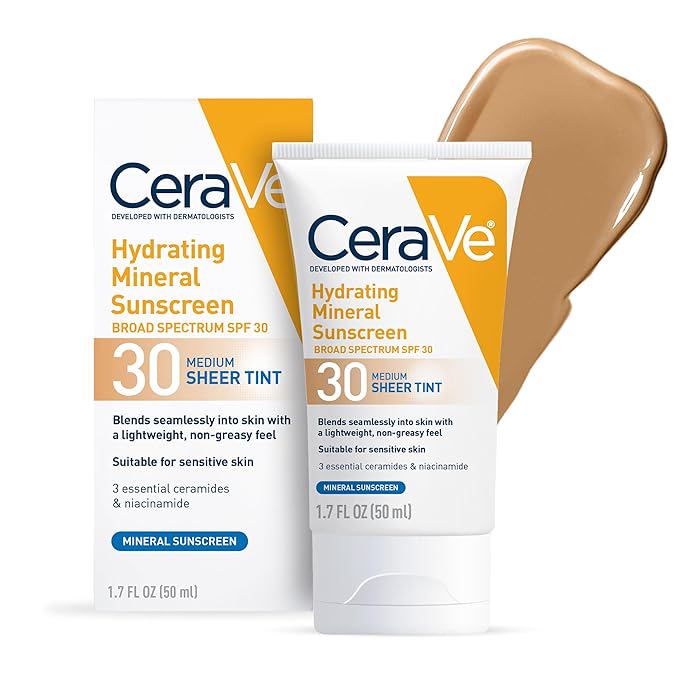
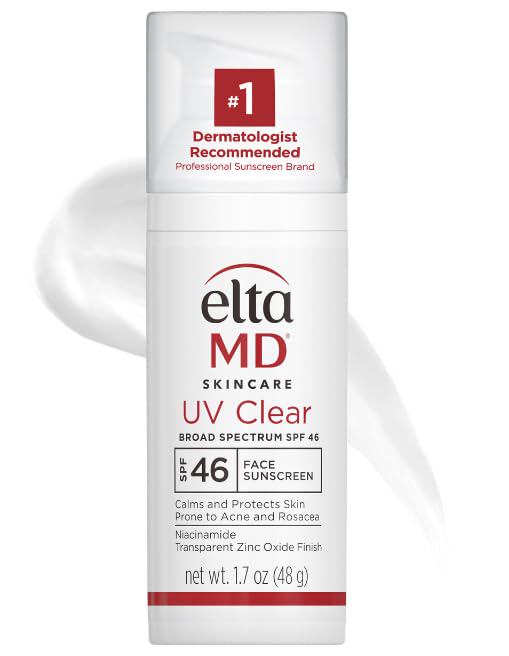
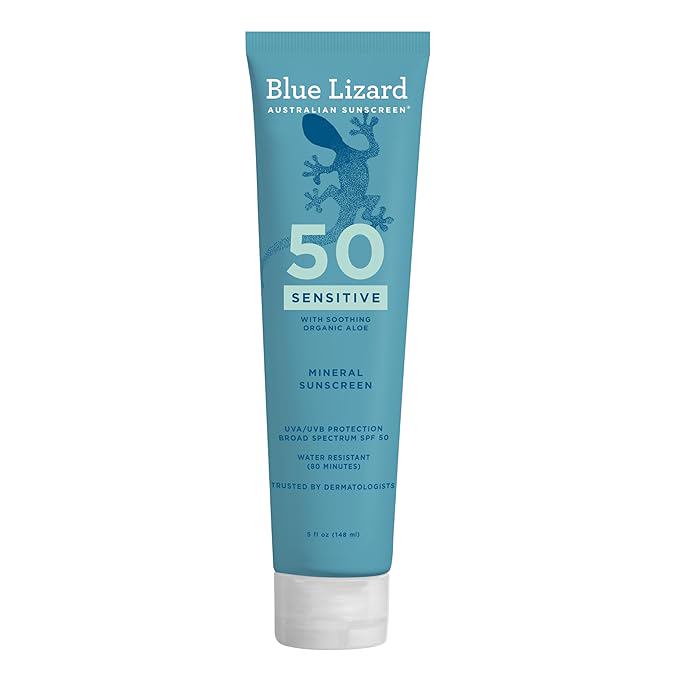
Sun protection is non-negotiable, but not all sunscreens are created equal for humid weather. Many chemical sunscreens contain ingredients like oxybenzone or octinoxate that can sting or cause clogged pores on sensitive skin. Physical blockers like zinc oxide and titanium dioxide tend to be gentler, but they can still feel heavy and chalky in high humidity.
If you find that your sunscreen is leaving you with breakouts, try a mineral-based formula designed for oily or sensitive skin. Look for the word "non-comedogenic" on the label, and consider a powder or mist SPF for easy reapplication without layering on more cream.
5. Environmental pollution and irritants
Humidity often goes hand in hand with higher levels of airborne pollutants, pollen, and mold. Your skin is your largest organ and it comes into constant contact with these particles. For sensitive skin, these external factors can trigger an inflammatory response that looks like a breakout but is actually a form of dermatitis or irritation.
Rinsing your face with a soothing thermal water spray in the afternoon can help wash away pollutants without stripping your skin. You might also consider a gentle antioxidant serum—something with vitamin C (in a stable, low-irritant form) or niacinamide—to help calm reactivity and support your skin's natural defenses.
Simple adjustments for humid weather
You don't have to overhaul your entire routine. Small changes can make a big difference. Stick to lukewarm or cool water when washing your face. Pat your skin dry instead of rubbing. Give your skin a few minutes of air before applying products. And always patch-test any new product on a small area before using it all over.
If breakouts persist despite your best efforts, it may be helpful to see a dermatologist. They can help determine whether you're dealing with acne, rosacea, or contact dermatitis—conditions that look similar but require different care.