
If you have sensitive skin, you have probably tried countless creams, serums, and barrier balms in hopes of calming redness, stinging, or breakouts. But what if the trigger is not just what you put on your skin, but what you put in your body? Dermatologists have started to look more closely at the connection between diet and skin sensitivity. While the topic is nuanced, there is mounting evidence that some foods can aggravate sensitive skin conditions, while others may help soothe them.
Here is what the research and clinical experience tell us about the role of nutrition in managing sensitive skin — without the marketing hype or magical claims.
Can your diet actually make your skin more reactive?
The short answer is yes, but it depends on the person. Dermatologists point out that sensitive skin is not a medical diagnosis but a description of how your skin reacts to internal and external triggers. For many people, certain foods can worsen inflammation, disrupt the skin barrier, or trigger immune reactions that show up as redness, itching, or rashes.
Common dietary culprits identified by dermatologists include:
- Spicy foods — can dilate blood vessels and cause flushing in people with rosacea-prone skin.
- Alcohol and caffeine — both are dehydrating and can impair the skin barrier over time.
- Dairy — some research links high dairy intake to acne flares in susceptible individuals, and anecdotal reports suggest it can worsen eczema in some children.
- High-glycemic foods (sugary snacks, white bread, soda) — these spike insulin, which can increase inflammation and sebum production, potentially aggravating acne and reactivity.
It is also worth noting that food allergies or intolerances sometimes manifest as skin symptoms. If you notice that your skin flares up within hours of eating a specific food — like shellfish, peanuts, or eggs — it is worth discussing with a dermatologist or allergist.
Anti-inflammatory foods that may help calm sensitive skin
The flip side of the coin is that a diet rich in anti-inflammatory nutrients supports the skin barrier and helps reduce sensitivity over time. Dermatologists often recommend the following food categories:
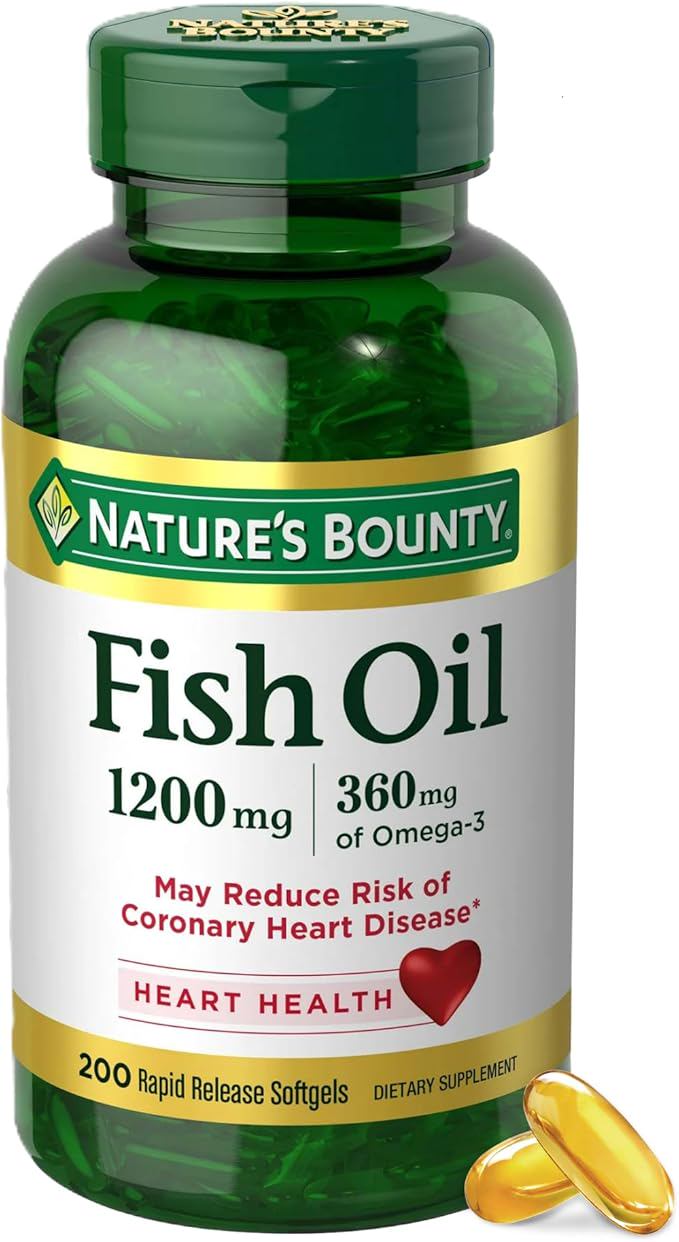
- Omega-3 fatty acids found in fatty fish (salmon, mackerel, sardines), flaxseeds, and walnuts. These healthy fats help reduce systemic inflammation and may improve skin barrier function.
- Antioxidant-rich fruits and vegetables such as berries, leafy greens, bell peppers, and sweet potatoes. Antioxidants neutralize free radicals that can damage skin cells and trigger sensitivity.
- Vitamin C-rich foods like citrus fruits, kiwis, and broccoli. Vitamin C is essential for collagen production and helps repair the skin barrier.
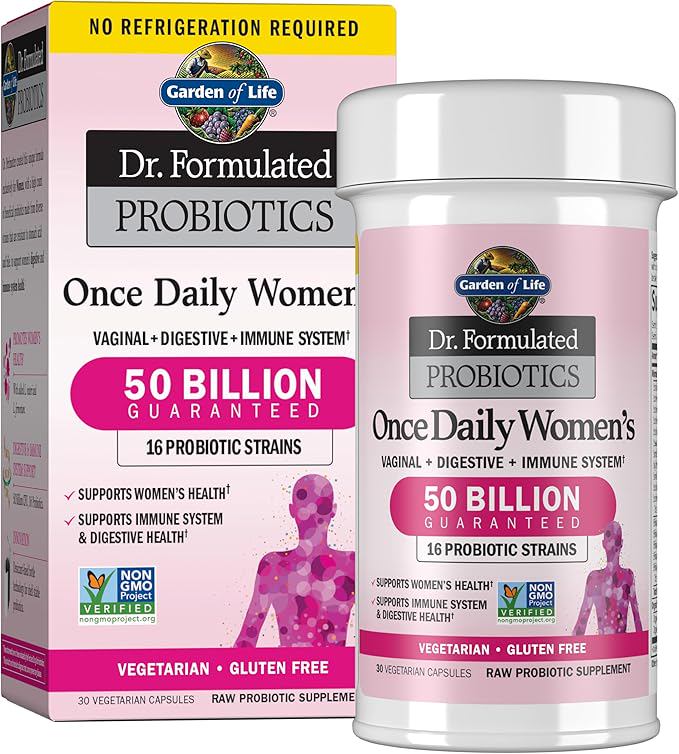
- Probiotic-rich foods (yogurt, kefir, kimchi, sauerkraut) and prebiotic fibers. A healthy gut microbiome is increasingly linked to reduced skin inflammation and fewer flares in conditions like eczema and rosacea.
- Zinc-containing foods such as pumpkin seeds, chickpeas, and lean meats. Zinc has anti-inflammatory properties and supports wound healing.
One dermatologist shared that many of her patients with sensitive skin notice improvement when they cut out processed foods and increase their intake of whole, plant-based foods — although she emphasizes that diet is not a replacement for medical treatments when needed.
What about elimination diets?
Some people try elimination diets to identify food triggers. Dermatologists generally advise caution. While eliminating a suspected food for a few weeks may help you notice a pattern, it is best done under professional supervision to ensure you are still getting adequate nutrition. The most common elimination approach for skin issues is the low-histamine diet, because histamine-rich foods (aged cheese, cured meats, fermented foods, alcohol) can directly trigger flushing and hives in histamine-sensitive individuals.
Another approach is the low-glycemic diet, which many dermatologists recommend for patients with acne or rosacea. By avoiding spikes in blood sugar, you may reduce inflammation and breakouts.
Key takeaway from dermatologists
There is no single “sensitive-skin diet” that works for everyone, but the general principles are clear: a diet based on whole, minimally processed foods with plenty of vegetables, healthy fats, and adequate hydration supports skin health. If you have persistent skin issues, a dermatologist can help you determine whether diet plays a role in your specific case — and if so, which adjustments might help.
“I always tell my patients: what you eat won’t cure your skin condition overnight, but over time, nourishing your body with the right nutrients can make your skin more resilient and less reactive,” says Dr. Rinky Kapoor, consultant dermatologist.
Ultimately, managing sensitive skin involves a combination of gentle topical care, sun protection, stress management, and — where relevant — dietary awareness. The goal is not to fear food, but to understand your body’s unique responses.