
When it comes to managing acne, what you put on your skin matters just as much as what you avoid. While many products promise clear skin, the real power lies in understanding which specific ingredients actively fight breakouts and how they work. This practical guide cuts through the marketing to focus on evidence-backed components you can look for in cleansers, toners, and treatments.
Acne develops when pores become clogged with oil, dead skin cells, and bacteria. The right ingredients can help by reducing inflammation, killing bacteria, regulating oil production, or speeding up cell turnover. Below, we break down the most effective categories and how to incorporate them into your routine without over-complicating things.
Key Acne-Fighting Ingredients and How They Work
Not all acne ingredients are created equal. Some are best for inflamed, red pimples, while others target blackheads and clogged pores. Knowing the difference helps you choose products that match your specific skin concerns.
Salicylic Acid (Beta Hydroxy Acid)
Salicylic acid is oil-soluble, meaning it can penetrate deep into the pores to dissolve the debris that causes blackheads and whiteheads. It also has mild anti-inflammatory properties, which can reduce redness associated with active breakouts. You’ll find it in concentrations of 0.5% to 2% in cleansers, toners, and spot treatments. It’s particularly effective for non-inflammatory acne like clogged pores and comedones.
Benzoyl Peroxide
Benzoyl peroxide works by killing Cutibacterium acnes, the bacteria involved in acne development. It also helps remove excess oil and dead skin cells. Available over the counter in strengths from 2.5% to 10%, it’s most effective for inflammatory acne—those red, tender bumps and pustules. Lower concentrations are often just as effective but less irritating. Because it can bleach fabrics, apply it carefully and let it dry before dressing.
Retinoids (Vitamin A Derivatives)
Retinoids like adapalene (now available over the counter) and retinol accelerate skin cell turnover and prevent pores from becoming clogged. They are considered a cornerstone of acne treatment because they address the microcomedone—the earliest stage of a blemish. Adapalene 0.1% gel is FDA-approved for acne and is often better tolerated than older retinoids. Start by applying a pea-sized amount three times a week, then gradually increase as your skin adjusts.
A note on irritation: When starting any new active ingredient, introduce it slowly. Apply a pea-sized amount every other night for two weeks, then increase frequency if no irritation occurs. Always use a moisturizer to protect the skin barrier.
Botanical and Natural Ingredients With Research Support
Many plant-derived ingredients have demonstrated anti-acne properties in clinical studies. While less potent than pharmaceuticals, they can be helpful for mild acne or as complementary ingredients in a broader skincare routine.
Tea Tree Oil
Tea tree oil has antimicrobial and anti-inflammatory effects comparable to benzoyl peroxide in some studies, but with fewer side effects like stinging or peeling. Look for products containing 5% to 10% tea tree oil for spot treatment. Because pure tea tree oil can be irritating, it should always be diluted in a carrier product or gel base.
Niacinamide (Vitamin B3)
Niacinamide is a multi-tasker: it reduces inflammation, regulates oil production, and helps fade post-acne marks. A 2% to 5% concentration is effective and generally well-tolerated, even by sensitive skin. It works well alongside other acne treatments because it helps soothe irritation.
Green Tea Extract
Green tea contains polyphenols, particularly epigallocatechin gallate (EGCG), which can reduce sebum production and inflammation. Applied topically, it may reduce the number and severity of acne lesions. You can use cooled green tea as a gentle toner, or look for skincare products listing green tea extract among their active ingredients.
Building an Acne-Fighting Skincare Routine
An effective anti-acne routine doesn’t require a dozen products. Focus on these core steps, choosing one ingredient from the categories above based on your acne type.
- Cleanse: Use a gentle, non-stripping cleanser with salicylic acid or benzoyl peroxide once or twice daily. Avoid scrubbing or using harsh soaps, which can worsen irritation.
- Treat: Apply a targeted treatment like adapalene gel or a benzoyl peroxide spot gel to affected areas. If using a retinoid, apply it after cleansing and before moisturizer at night.
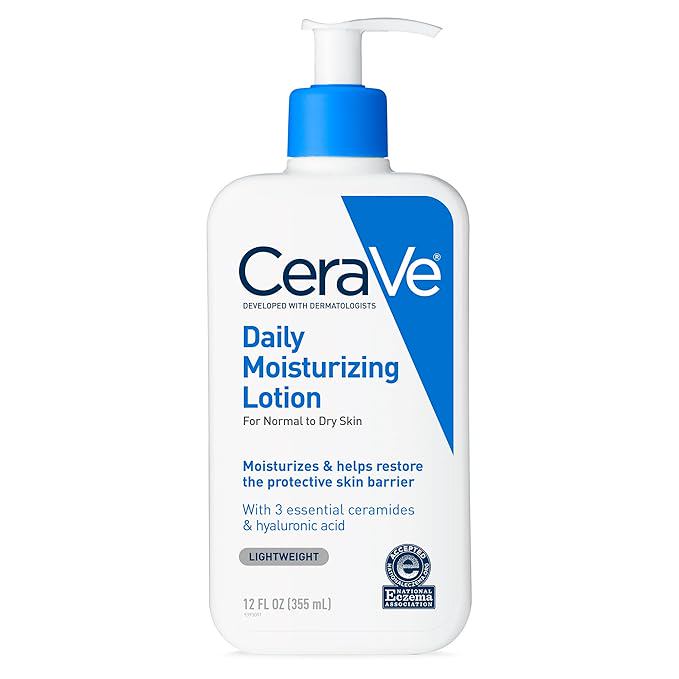
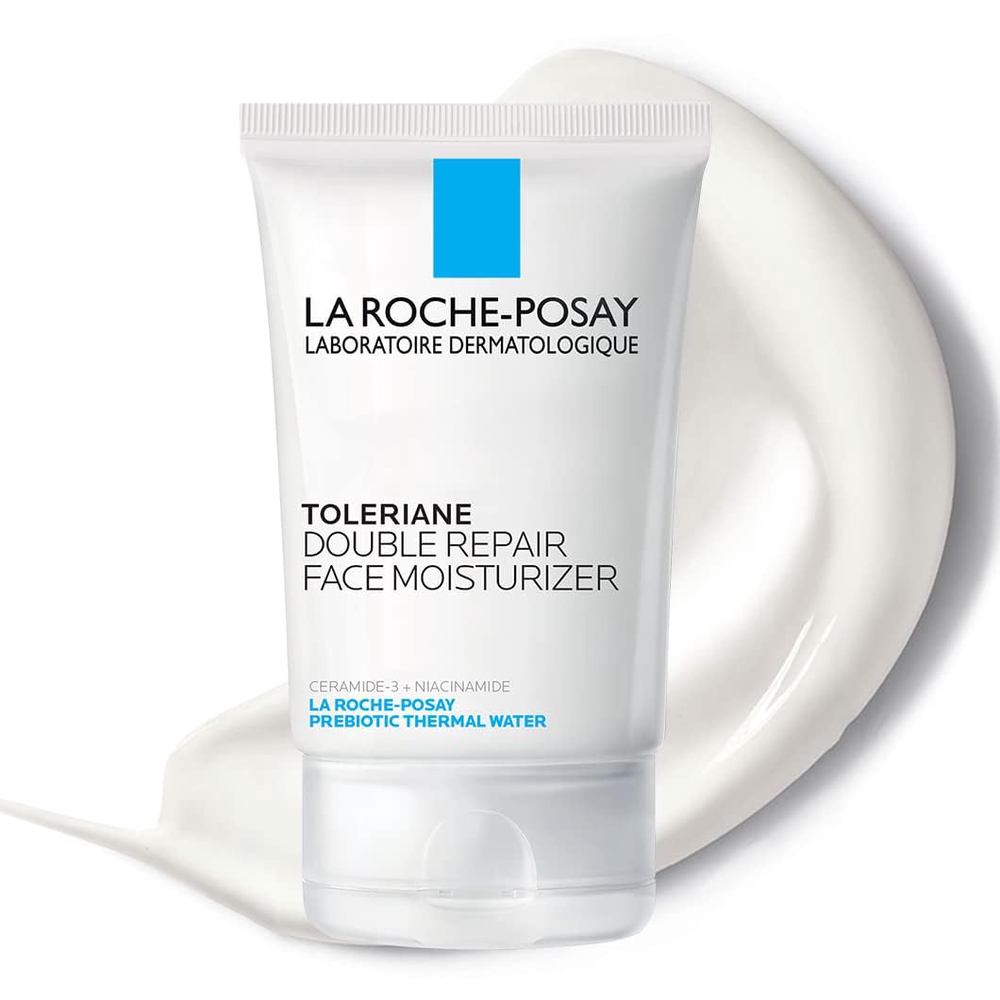
- Moisturize: Use a non-comedogenic, oil-free moisturizer. Acne treatments can disrupt the skin barrier, and a well-hydrated barrier is less prone to breakouts.
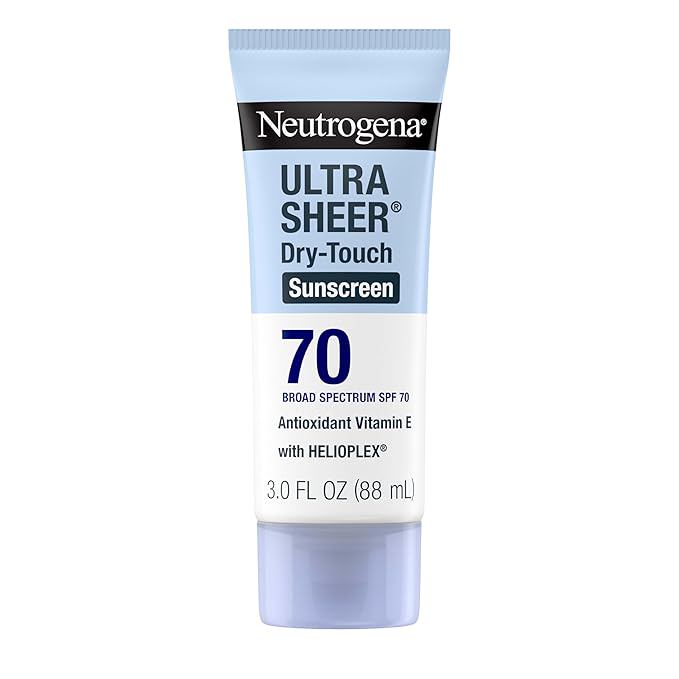
- Protect: Apply a broad-spectrum sunscreen with at least SPF 30 every morning. Many acne treatments increase sun sensitivity, and sun exposure can worsen dark spots left by old pimples.
Consistency matters more than intensity. Using a mild treatment daily is more effective than using a strong treatment sporadically. It typically takes 8 to 12 weeks to see meaningful improvement.
Common Mistakes to Avoid
Even with the right ingredients, certain habits can sabotage your progress. Over-exfoliating, using too many active products at once, or picking at blemishes can worsen acne and lead to scarring. Stick to one or two active ingredients at a time, and give your skin a break if you notice persistent redness or peeling. If over-the-counter products aren’t giving results after three months, consult a dermatologist.