Building a skincare routine when you have acne-prone skin can feel overwhelming. The sheer number of products, conflicting advice, and fear of making breakouts worse often leads to a bathroom cabinet full of half-used bottles and a sense of frustration. The good news is that an effective routine doesn’t require a dozen steps or aggressive products. In fact, simplicity and consistency are your most powerful tools.
This guide focuses on creating a foundational, gentle routine that supports your skin’s health, manages breakouts without causing irritation, and builds habits you can actually stick with. We’ll walk through the essential steps, explain what to look for in products, and highlight how to avoid common pitfalls that can sabotage your progress.
What does "acne-prone" skin actually need?
Acne-prone skin is characterized by a tendency for pores to clog, leading to blackheads, whiteheads, and inflamed pimples. This happens due to a combination of factors: excess oil (sebum) production, a buildup of dead skin cells that stick together inside the pore, the presence of acne-causing bacteria (Cutibacterium acnes), and inflammation.
An effective routine addresses these factors calmly. The goal isn’t to declare war on your skin by stripping it bare, but to guide it back to balance. This means:
- Gentle cleansing to remove excess oil and impurities without compromising the skin barrier.
- Consistent exfoliation to help keep pores clear of dead skin cell buildup.
- Targeted treatment with proven ingredients to reduce bacteria and inflammation.
- Essential hydration to maintain a healthy skin barrier, which is your first defense against irritation and more breakouts.
- Daily sun protection, as many acne treatments can increase sun sensitivity, and sun damage causes inflammation.
Think of your routine as a supportive framework, not an attack. Harsh products can damage your skin’s protective barrier, leading to more oil production, redness, and sensitivity—making acne worse.
The core four-step routine
This simple sequence—cleanser, treatment, moisturizer, sunscreen—forms the backbone of your day and night care. At night, you’ll swap sunscreen for a second moisturizing step if needed.
1. Cleanse with care
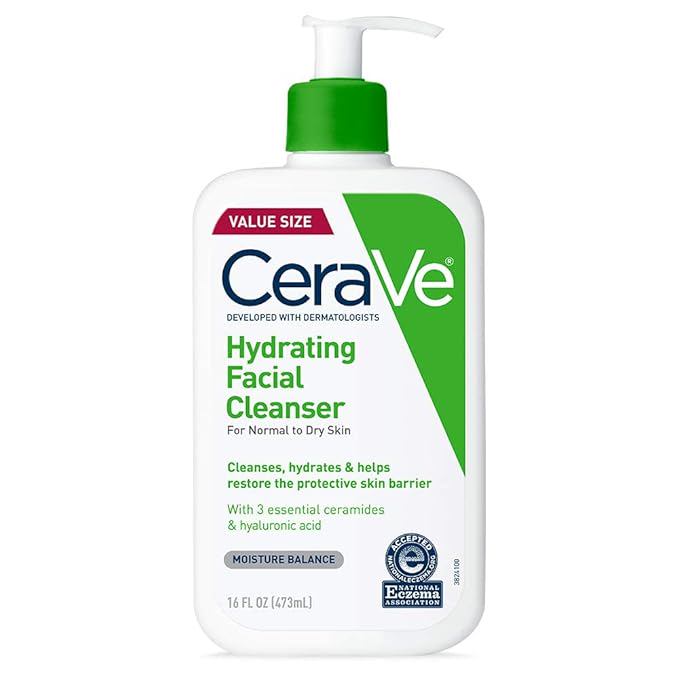
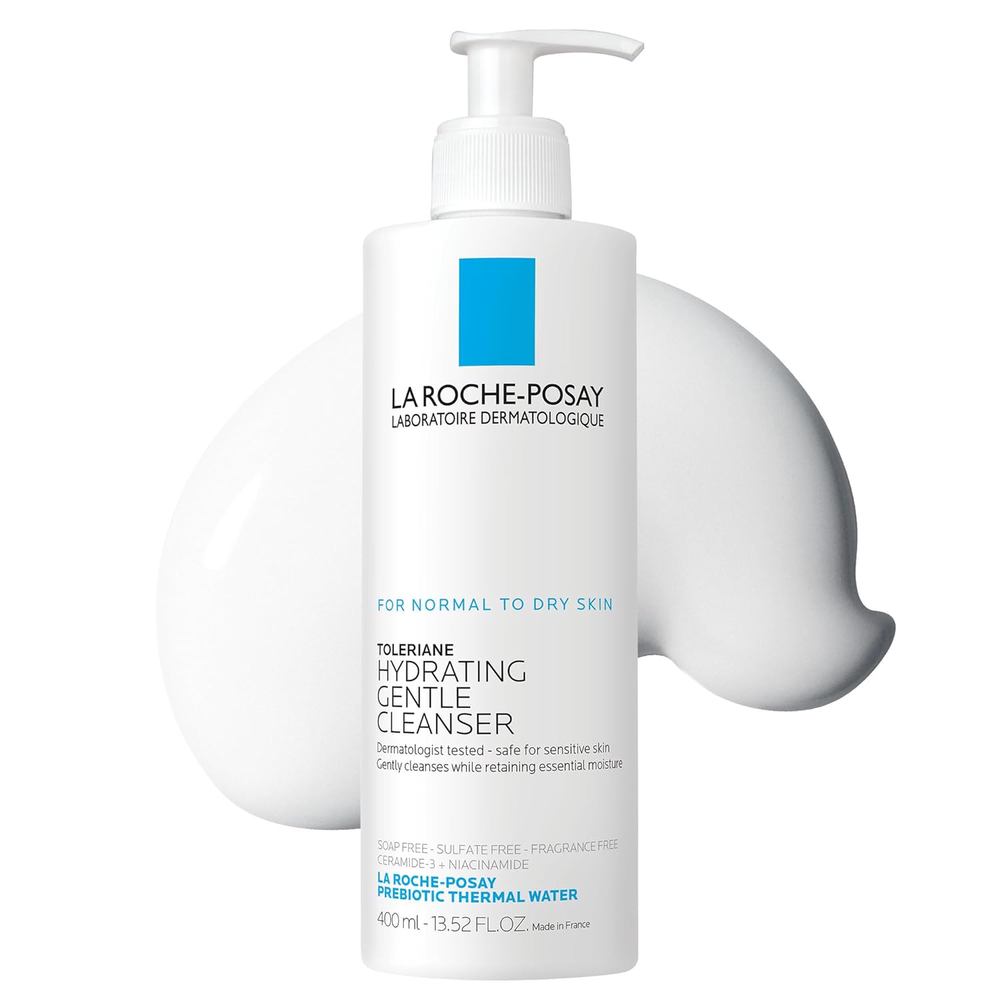
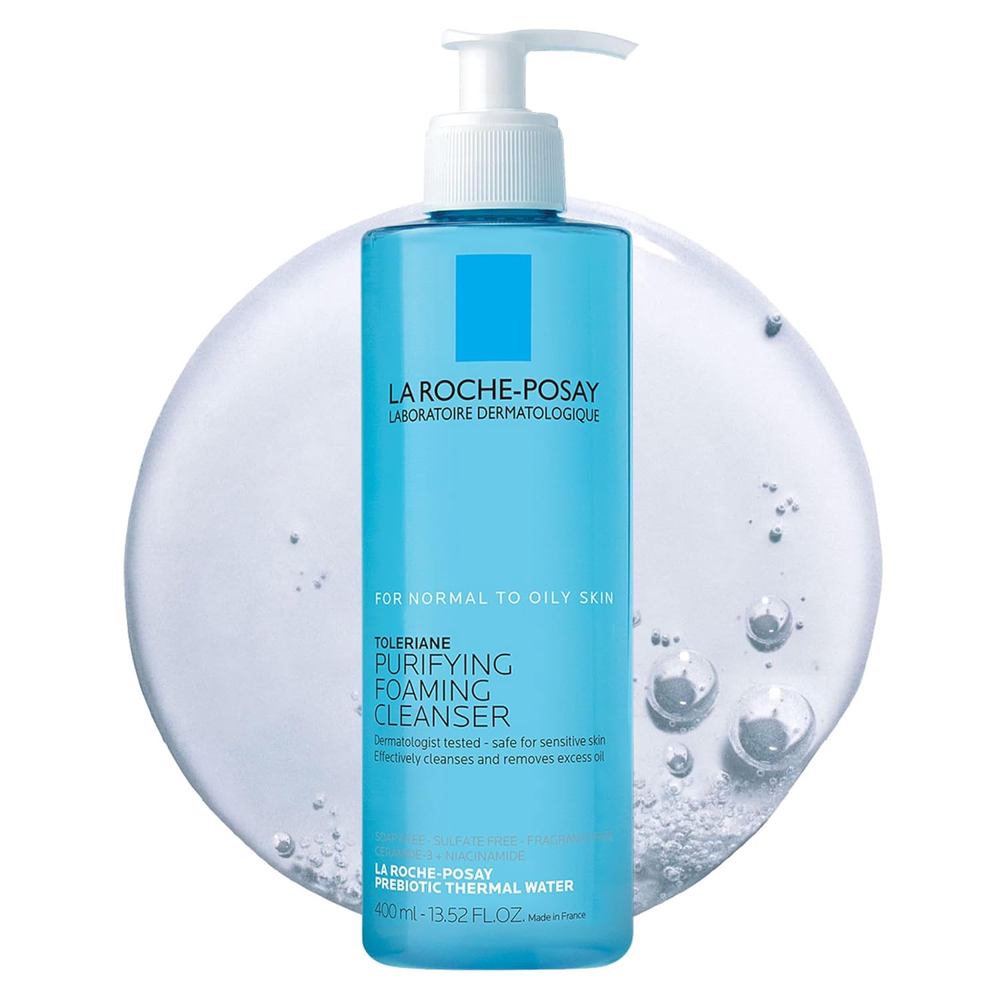
Start and end your day with a gentle, water-soluble cleanser. Look for formulas described as "gentle," "hydrating," or "for sensitive skin." Gel, cream, or lotion textures are often good choices. The right cleanser will leave your skin feeling clean but not tight, squeaky, or dry.
Avoid: Harsh scrubs, bar soaps (which can leave pore-clogging residue), and cleansers with high concentrations of drying alcohol. You only need to cleanse twice a day—over-washing can trigger more oil production.
2. Apply treatment products
This is where you address acne directly. After cleansing, apply a treatment product to dry skin. Key ingredients to look for include:
- Salicylic Acid (BHA): A oil-soluble exfoliant that can penetrate into pores to dissolve the mix of oil and dead skin cells that clog them. Ideal for blackheads and whiteheads.
- Benzoyl Peroxide: Kills acne-causing bacteria and helps clear pores. It can be drying, so start with a lower concentration (2.5% is often as effective as 10% with less irritation).
- Adapalene: A retinoid available over-the-counter that helps normalize skin cell turnover and is anti-inflammatory. It’s a powerful tool for persistent acne.
Start with one treatment ingredient. Use it every other night to begin with, monitoring your skin’s tolerance, before moving to nightly application. Patience is crucial; it can take 6-8 weeks to see significant improvement.
3. Moisturize, every time
This step is non-negotiable, even if your skin feels oily. A good, non-comedogenic (won’t clog pores) moisturizer helps repair and maintain your skin barrier. When your barrier is healthy, your skin is better protected, less inflamed, and less reactive. Look for light lotions, gels, or fluid creams with ingredients like ceramides, glycerin, or hyaluronic acid.
4. Protect with sunscreen (AM only)
Sun exposure can worsen post-acne dark spots and cause inflammation. Many acne treatments make your skin more sensitive to the sun. A daily, oil-free, non-comedogenic sunscreen with at least SPF 30 is the final, critical morning step.
Building on the foundation
Once you’ve consistently followed the core routine for several weeks, you might consider adding one extra step. The golden rule: add only one new product at a time, and wait at least two weeks before adding another. This helps you identify what’s working and what might be causing irritation.
Consider a gentle chemical exfoliant (like an AHA such as glycolic or lactic acid) for use 1-2 times a week on nights you don’t use your regular treatment. This can help improve skin texture and fade marks. Or, introduce a niacinamide serum, which can help regulate oil and soothe redness.
What to avoid in your routine
Common missteps can derail progress. Be wary of:
- Physical over-exfoliation: Scrubbing with rough granules or brushes can cause micro-tears and significant irritation.
- Using too many active ingredients at once: Stacking multiple acids or strong treatments simultaneously is a fast track to a damaged moisture barrier.
- Picking or popping pimples: This pushes bacteria deeper, increases inflammation, and raises the risk of scarring.
- Frequent routine changes: Skin needs time to adapt. Stick with a product for 6-8 weeks before deciding it’s not working.
Creating a simple, effective routine for acne-prone skin is about thoughtful product choices and steady commitment. It’s less about a complex ritual and more about providing your skin with the consistent, gentle support it needs to find its own balance. When in doubt, remember that less is often more, and protecting your skin’s health is the ultimate goal.