You've probably noticed it before: a big presentation at work, a sleepless night, or an emotional week, and suddenly your skin erupts in breakouts. It's not your imagination, and it's not simply bad luck. The connection between stress and acne is real, grounded in how your body's hormonal system responds to pressure. Understanding this link can help you care for your skin more effectively—without expecting perfection.
When you're under stress, your body releases cortisol, often called the primary stress hormone. Cortisol doesn't directly cause pimples, but it sets off a chain reaction that can make acne worse or trigger new breakouts, especially if you're already prone to them. The key is knowing what's happening under the surface and how to respond with calm, consistent care.
What stress hormones actually do to your skin
Cortisol stimulates your sebaceous glands to produce more sebum—the oily substance that helps protect your skin. In normal amounts, sebum is fine. But when production ramps up under chronic stress, that excess oil mixes with dead skin cells and clogs pores. Add Propionibacterium acnes bacteria into the mix, and you have the perfect conditions for inflamed, angry breakouts.
Stress also dials down your skin's natural repair processes. Your immune system becomes less efficient at fighting inflammation, so existing pimples take longer to heal. Meanwhile, cortisol can weaken the skin barrier, making it more sensitive to products and environmental irritants. This is why your regular cleanser might suddenly sting when you're burned out.
Can stress alone cause acne?
For most people, stress doesn't cause acne from scratch. It's more of an amplifier. If you already have a tendency toward oily skin or occasional breakouts, stress can push your skin past its tipping point. Research in dermatology journals has shown that college students during exam periods—a time of high psychological stress—experience significantly more acne flare-ups than during less stressful times. The same pattern holds for people in high-pressure jobs or those going through major life changes.
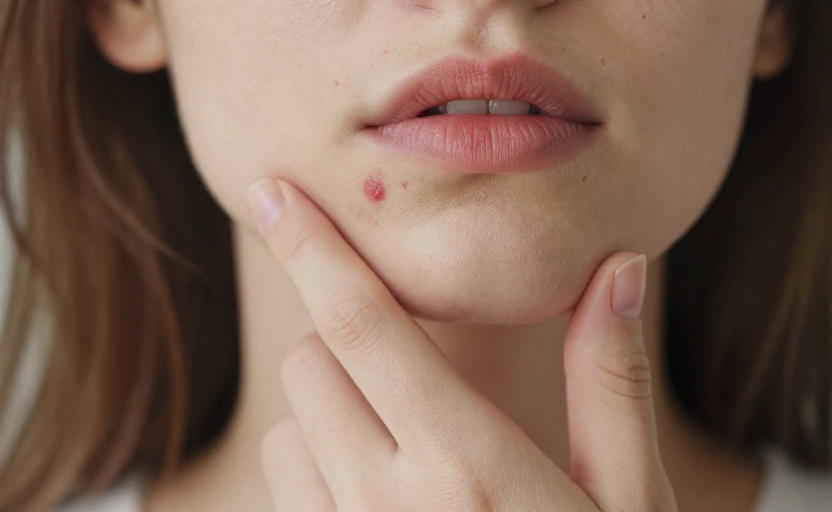
That said, stress-related acne looks a little different from your typical teenage breakout. It often shows up as deeper, more inflamed cysts that feel tender to the touch, and it tends to concentrate on the lower face—jawline, chin, and along the cheeks. This pattern mirrors hormonal acne, because cortisol and androgens (like testosterone) interact closely in the body.
How to care for your skin when you're stressed
You can't simply stop feeling stress, and nobody expects you to. But you can build a skincare routine that supports your skin through difficult periods. The goal is not to fight your hormones—it's to work with your skin's changing needs.
Simplify your routine
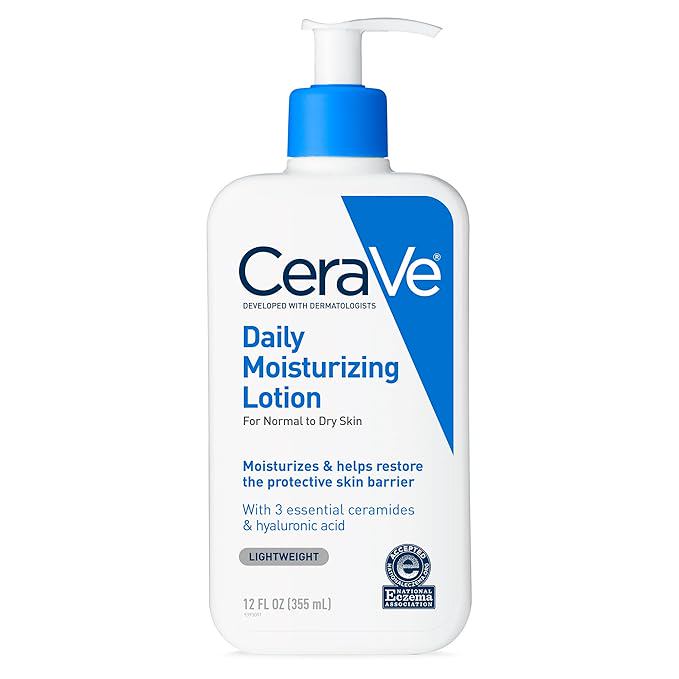
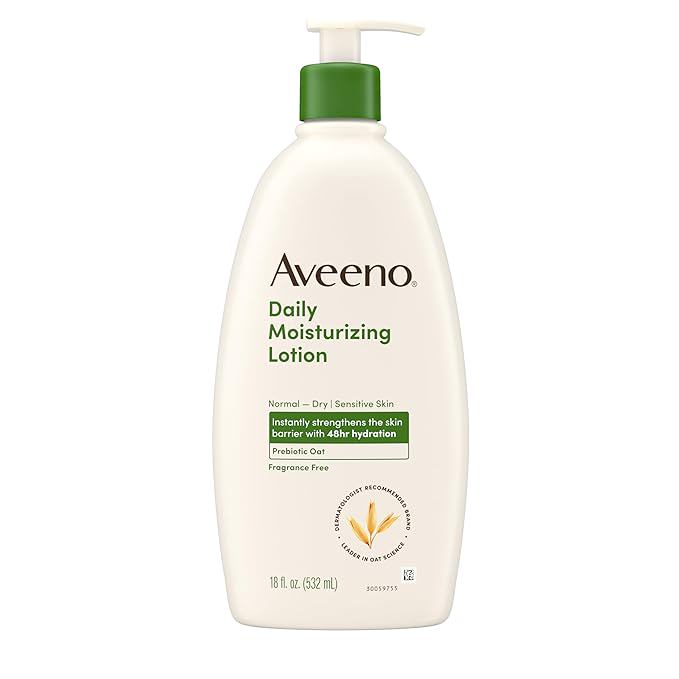
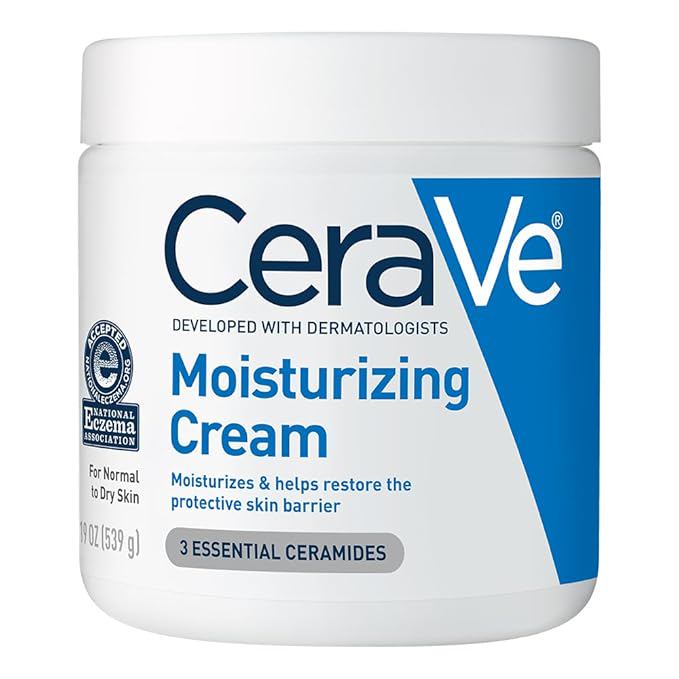
When stress is high, your skin barrier is already compromised. This is not the time to introduce retinol, strong acids, or four-step exfoliation. Stick to a gentle cleanser, a non-comedogenic moisturizer, and a broad-spectrum sunscreen during the day. At night, consider a lightweight moisturizer or a barrier-supporting product containing ceramides or niacinamide. These ingredients help calm inflammation and reinforce the skin's protective layer.
Watch what you put on your face
Heavy, occlusive products can trap oil and worsen breakouts. Look for labels that say oil-free, non-comedogenic, or won't clog pores. If you're using a spot treatment, benzoyl peroxide or salicylic acid can be effective, but use them sparingly—over-drying stressed skin often backfires by triggering even more oil production.
Manage the stress itself
This might sound like generic advice, but it matters specifically for your skin. When you lower your overall cortisol levels, your sebaceous glands calm down. Even short, regular practices—like 10 minutes of deep breathing, a brisk walk, or journaling before bed—can lower cortisol enough to make a noticeable difference in your skin's behavior over a few weeks. Sleep is especially critical: during deep sleep, your body repairs skin cells and rebalances hormone levels. Aim for at least 7 hours per night, and try to keep a consistent bedtime even on weekends.
Don't pick or pop
Stress makes us more impulsive, and picking at your skin feels momentarily satisfying. But it introduces bacteria deeper into the pore, increases inflammation, and often leads to scarring. If you're struggling with this, keep your hands busy with a stress ball or fidget toy, and keep a calming toner or ice roller handy to soothe the urge.
When to see a dermatologist
If stress-related acne persists despite a gentle routine, or if you're developing deep cystic breakouts that leave dark marks, a dermatologist can help. They might recommend prescription-strength topicals, oral medications like spironolactone (which blocks androgen effects), or light-based therapies that reduce inflammation. The right treatment depends on your skin type and overall health, so don't rely on internet advice alone.
A calm routine and realistic expectations matter more than perfection. Your skin reflects your body's internal state, and that's human, not a flaw.
The bottom line
Stress hormones like cortisol can trigger acne by increasing oil production, inflaming existing blemishes, and weakening your skin's ability to heal. The best approach is a combination of simplifying your skincare products, supporting your skin barrier, and finding small, consistent ways to lower your daily stress load. You don't need an elaborate $200 routine—you need consistency and patience. Your skin will respond to calm, just as it responds to chaos.