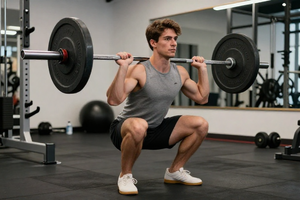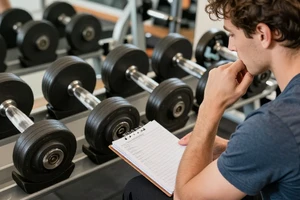
You just finished a hard lift. Your muscles feel pumped, a little shaky, and you know that in a few hours, the real soreness is going to set in. You have heard the advice to eat protein right away, but the science behind the timing actually runs deeper than just building muscle. Eating within a specific window after training directly influences how sore you feel the next day.
The key is that lifting weights creates micro-tears in muscle fibers. This is a normal, necessary part of getting stronger, but it also triggers inflammation and fluid shifts that cause stiffness. When you eat the right combination of nutrients within roughly sixty minutes of finishing your last set, you essentially hand your body the raw materials it needs to start cleanup and repair before the swelling peaks. Delaying that meal by even two hours can leave you more tender than you need to be.
What actually happens to a sore muscle after lifting?
Delayed onset muscle soreness (DOMS) is that deep ache that usually peaks 24 to 72 hours after a workout. It happens because the damage from eccentric contractions—the lowering phase of a bicep curl or a squat—causes calcium to leak out of storage inside the cells. This triggers an inflammatory cascade. Immune cells rush in, clean up damaged tissue, and signal your body to thicken and strengthen the fibers.
During this process, fluid builds up in the connective tissue surrounding the muscle. That physical pressure is a big part of the soreness you feel. Eating soon after lifting helps by increasing blood flow to the damaged area, which flushes out metabolic waste and brings in amino acids that reduce the inflammatory response. In short, you are modulating the intensity of that immune reaction, not stopping it entirely.
Protein first, but the timing matters
Leucine, an amino acid found in high amounts in dairy, eggs, meat, and soy, is the main trigger for muscle protein synthesis. When you consume 20 to 30 grams of protein that contains about 2.5 to 3 grams of leucine, your body switches from a breaking-down state to a building-up state.
Research suggests that when this leucine threshold is hit within the first hour post-workout, the rate of repair climbs faster than if the same meal is eaten later. Faster repair means the damaged fibers spend less time being inflamed and swollen. One study found that people who consumed a protein-rich meal immediately after eccentric exercise reported significantly lower soreness ratings at 48 hours compared to those who waited two hours.
That said, drinking a shake four hours after you lift is still better than skipping it entirely—but the gap in soreness between a one-hour window and a four-hour window is measurable. The early window matters most for acute recovery.
Carbohydrates are not optional
Many lifters focus entirely on protein and forget that carbohydrates play an equally important role in reducing soreness. Lifting depletes glycogen stores in the muscle. When you eat carbs shortly after training, you replenish that glycogen, which helps the muscle hold water and keeps the tissue pliable.
More importantly, carbs boost insulin secretion. Insulin is a storage hormone that helps shuttle amino acids into muscle cells and also has an anti-inflammatory effect. A protein-plus-carb combo within the sixty-minute window lowers cortisol levels faster than protein alone. Lower cortisol means less muscle breakdown and a calmer inflammatory environment.
Aim for about 40 to 60 grams of fast-digesting carbs—a banana, white rice, potatoes, or a sports drink—alongside your protein. This does not mean you need a huge meal; just something that covers both macronutrients in a digestible form.
Does the type of protein matter for soreness?
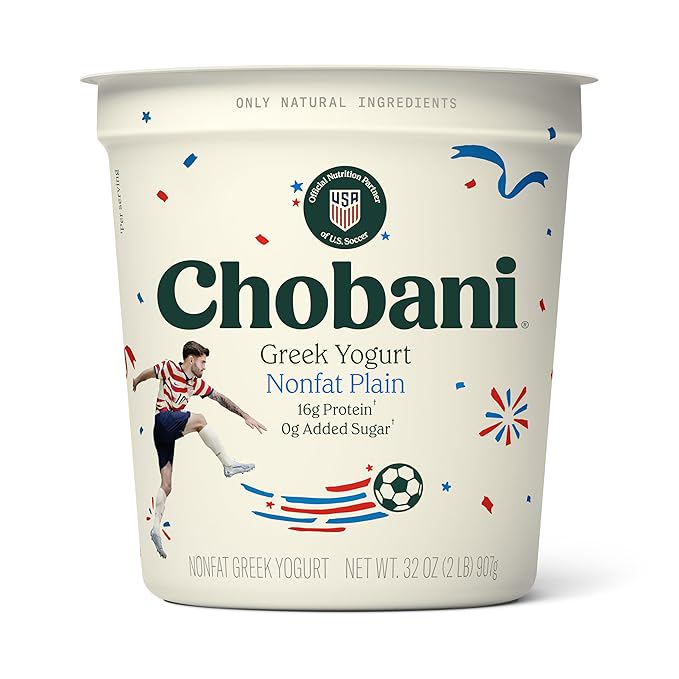
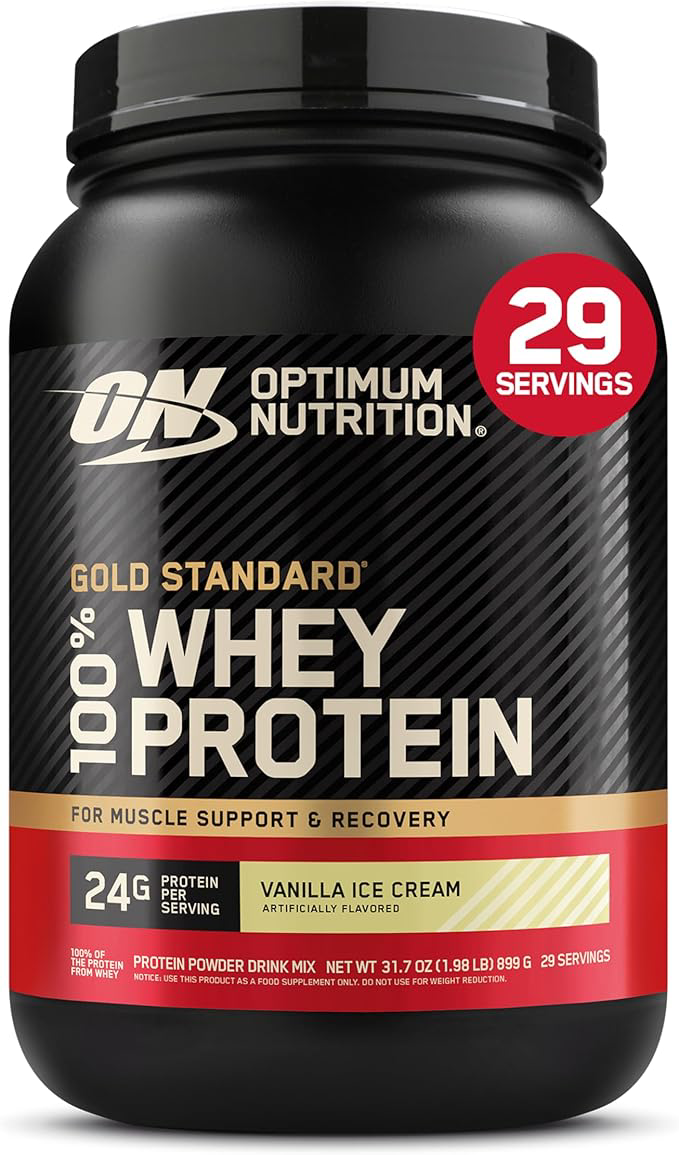
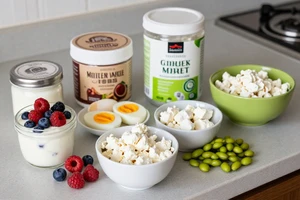
Whey protein is often cited as ideal because it digests very quickly and contains a high leucine content. Casein digests more slowly, which can be useful before bed but may not blunt soreness as effectively in the immediate post-workout window. Whole food sources like Greek yogurt, chicken breast, or eggs work perfectly fine, but they take slightly longer to break down.
If you are sensitive to dairy or prefer plant options, a pea-and-rice protein blend can provide a complete amino acid profile similar to whey. The important variable is not the specific source as much as the speed of digestion and the leucine content. A slow-digesting meal eaten 40 minutes post-lift still works better than no meal at all.
How hydration connects to soreness
Water is often overlooked in the post-lift conversation, but it directly influences how sore you feel. Dehydrated muscle tissue is more prone to cramping and tenderness. When you eat your post-workout meal, drinking enough fluid helps the kidneys flush out the inflammatory byproducts that contribute to stiffness.
Try to drink at least 16 to 20 ounces of water with your first post-lift meal. If you sweat heavily, an electrolyte drink can help replace sodium and potassium lost during training, which further supports muscle relaxation and reduces that heavy, achy feeling.
Think of the sixty-minute window as a traffic light. The meal you eat right after lifting directs nutrients where they are needed most before the inflammation gridlocks the system.
What about anti-inflammatory foods?
Certain foods contain compounds that can amplify the soreness-reducing effects of your post-workout meal. Tart cherries, blueberries, turmeric, and ginger all have natural anti-inflammatory properties. Adding a handful of blueberries to a protein smoothie or drinking tart cherry juice after a heavy session has been shown in studies to lower markers of muscle damage and reduce perceived soreness.
These foods do not replace the need for protein and carbs, but they provide an extra layer of protection. The synergy is worth noting: a simple post-lift bowl with Greek yogurt, blueberries, and a drizzle of honey delivers protein, fast carbs, and anti-inflammatory polyphenols in a single serving.
One note of caution: avoid taking high-dose ibuprofen or other NSAIDs routinely for soreness. These medications can actually blunt the muscle adaptation process over time. Food-based recovery supports repair without interfering with long-term strength gains.
Practical timing tips for a busy schedule
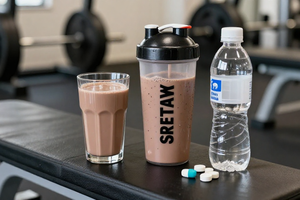
If you cannot eat solid food immediately after lifting, a liquid option is the next best strategy. A protein shake blended with a banana or a carton of chocolate milk (which has an ideal 4:1 carb-to-protein ratio) can be consumed in under two minutes and fits the 60-minute window easily.
- Prep ahead: Keep a shaker bottle with protein powder in your gym bag so you can mix it immediately after your last set.
- Small and digestible: Do not force a heavy meal if you feel nauseous. A simple rice cake with peanut butter and a glass of milk is gentle on the stomach but still effective.
- Even just something: If you absolutely cannot eat within the first hour due to work constraints, a small snack like a banana and a hard-boiled egg is better than waiting for a full meal three hours later.
Consistency matters more than perfection. Some days you will nail the 60-minute window; other days life gets in the way. The goal is to make the post-lift meal a standard part of your training habit rather than an afterthought.
Frequently asked questions about post-lift nutrition and soreness
Does it matter if I eat before or after a workout for soreness?
Yes, but for different reasons. Eating 60 to 90 minutes before lifting provides fuel for performance, which can reduce acute muscle damage during the session. Eating within 60 minutes after lifting primarily addresses the repair and inflammation phase. For optimal soreness management, both windows matter, but the post-workout window has the most direct impact on how you feel the next day.
Can I just drink BCAAs instead of eating real food?
Branched-chain amino acids (BCAAs) can stimulate protein synthesis temporarily, but they lack the full spectrum of amino acids and the carbohydrate component needed for optimal soreness reduction. Whole protein sources or a complete protein supplement typically yield better results for both recovery and long-term muscle growth.
Will eating too soon make me feel sick?
If you are very sensitive to eating after intense exercise, start with a liquid meal or a very small snack, then eat a larger meal about an hour later. The window is 60 minutes, which gives you flexibility. Even a small amount of protein and carbs within that timeframe helps blunt soreness more than waiting until your appetite fully returns two hours later.
Does this apply to all types of strength training?
Yes, but the effect is most noticeable after high-volume lifting or eccentric-focused workouts (like heavy negatives or new exercises). Lower-intensity sessions produce less muscle damage, so the timing becomes slightly less critical. For maximum soreness reduction after particularly hard sessions, sticking to the 60-minute rule offers the most benefit.