Waking up with flushed cheeks or a blotchy neck can be unsettling. You might wonder if it’s a passing reaction to a new cleanser or something more persistent like rosacea. The confusion is common, because the two conditions can look similar, but their root causes and long-term care are quite different. Understanding what’s behind your redness is the first step toward calming your skin—and choosing the right skincare approach.
What is rosacea?
Rosacea is a chronic inflammatory skin condition that usually appears in adulthood, often between the ages of 30 and 50. It tends to show up on the central face—cheeks, nose, chin, and forehead—as persistent redness, visible blood vessels, and sometimes small, red bumps that resemble acne. Flare-ups can come and go, but the underlying redness often becomes more constant over time if left unmanaged.
Experts believe rosacea involves a combination of genetic predisposition, an overactive immune response, and triggers such as sun exposure, spicy foods, alcohol, and extreme temperatures. While there is no cure, symptoms can be controlled with proper skincare, prescription topicals, and lifestyle adjustments. Importantly, rosacea is not caused by poor hygiene or diet alone.
What is skin sensitivity?
Sensitivity, on the other hand, is not a medical diagnosis but a description of how reactive your skin is to external factors. Sensitive skin can sting, burn, itch, or turn red in response to products, weather changes, or even stress. The redness tends to be temporary and fades once the triggering substance or condition is removed.
Unlike rosacea, sensitive skin does not typically involve broken capillaries, pustules, or a permanent flushing pattern. Instead, the skin barrier is often compromised, allowing irritants to penetrate more easily. Many people with sensitive skin also have underlying conditions like eczema or contact dermatitis, though you can have sensitive skin without any formal diagnosis.
Key differences to look for
While both conditions can cause redness, certain clues help distinguish them.
- Pattern: Rosacea redness is usually central and symmetrical—both cheeks, the nose, and the chin. Sensitivity-related redness can appear anywhere the irritant touched the skin and may be patchy.
- Duration: Rosacea redness is persistent; it may wax and wane but rarely disappears completely without treatment. Sensitivity redness typically resolves within hours to a day after the irritant is gone.
- Textures and bumps: Rosacea often includes small, red bumps or pustules that look like acne but without blackheads. Sensitivity causes more diffuse redness, swelling, or hives rather than discrete bumps.
- Visible blood vessels: Telangiectasias (tiny, visible veins) are a hallmark of rosacea, especially in later stages, and are not typical in simple sensitivity.
- Triggers: Rosacea triggers are often systemic—sun, heat, alcohol, spicy food, stress. Sensitivity triggers are usually topical—soaps, fragrances, acids, or physical abrasion.
How to figure out which one you have
If you are unsure, try keeping a symptom diary for a few weeks. Note when the redness appears, what you ate, what products you used, and how long it lasted. Patterns can emerge quickly.
You can also perform a gentle elimination: stop all active skincare (exfoliants, retinoids, acids) for two weeks and use only a mild cleanser, a barrier repair moisturizer, and sunscreen. If the redness fades during this break, sensitivity is more likely. If redness persists even during a product rest, rosacea may be the underlying cause.
That said, it is entirely possible to have both—someone with rosacea can also have sensitive, reactive skin. The line between the two can blur, especially in early stages.
When to see a dermatologist
A board-certified dermatologist is the best person to differentiate rosacea from sensitivity. They can look at your skin under magnification, check for broken capillaries, and rule out other conditions like lupus or seborrheic dermatitis. A proper diagnosis matters: rosacea treatments (such as topical metronidazole or azelaic acid) are not the same as general sensitivity creams, and using the wrong one can worsen either condition.
Do not rely solely on online photos or anecdotal advice—skin redness can look very similar across conditions, and mismanaging it for months can lead to unnecessary discomfort and even scarring in the case of rosacea.
Practical steps for both conditions
Whether you have rosacea, sensitivity, or both, the core approach is similar:
- Simplify your routine: Fewer products mean fewer potential triggers.
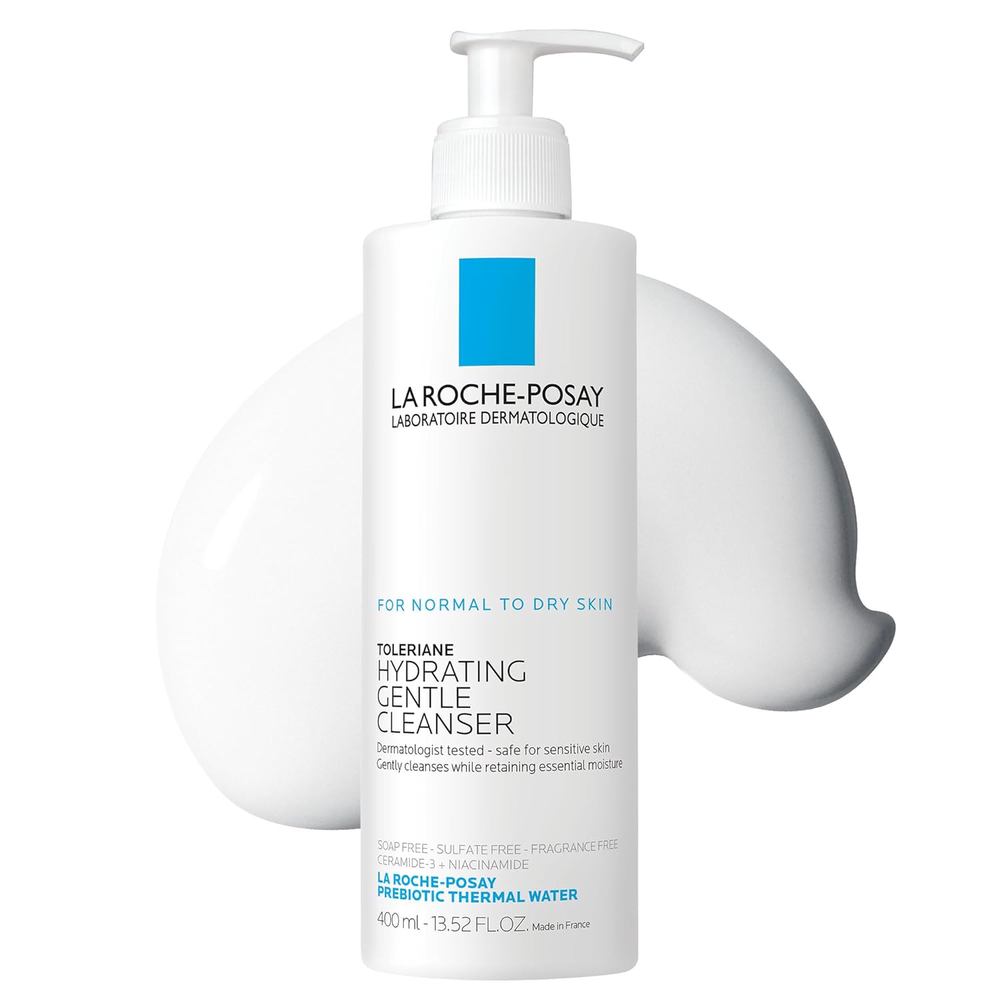
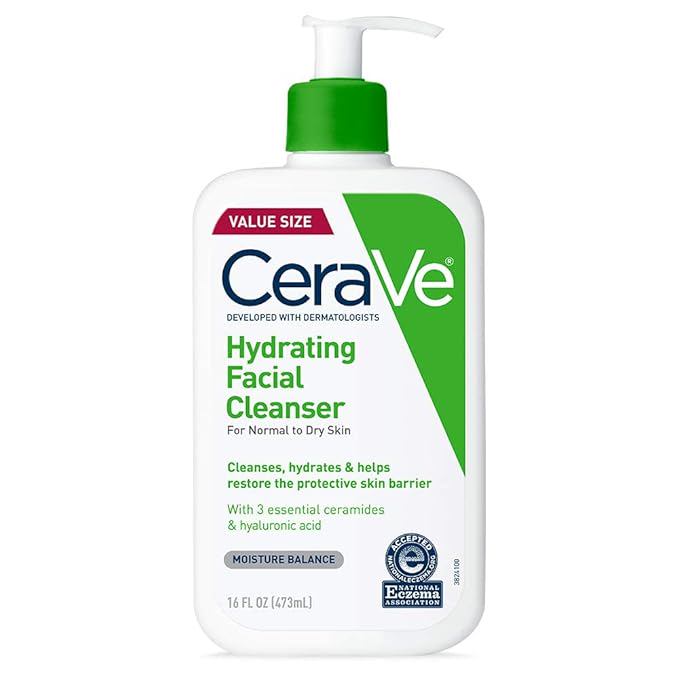
- Use gentle, non-foaming cleansers: Avoid sulfates, alcohols, and fragrance.
- Moisturize consistently: Look for ceramides, niacinamide, or squalane to support the skin barrier.
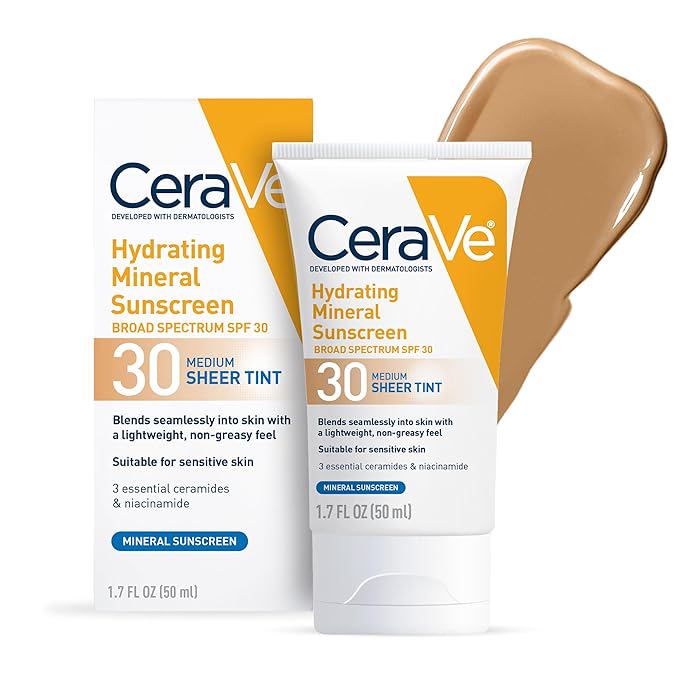
- Wear sunscreen daily: Mineral sunscreens (zinc oxide or titanium dioxide) are often better tolerated.
- Identify and avoid your personal triggers: Common ones include hot showers, wind, caffeine, and certain skincare ingredients like denatured alcohol or witch hazel.
- Patch-test new products: Always test a small area behind your ear or on your inner arm for a few days before applying to your face.
A calm skincare routine is not about adding more—it is about removing what does not serve your skin.
Learning the difference between rosacea and sensitivity takes time and careful observation, but it is a worthwhile investment. Your skin will respond better to treatments that match its true condition, and you will avoid the frustration of treating a problem you do not really have.