
After a breakout fades, what's left behind can be confusing. Some spots flatten and disappear in a few weeks, while others leave a lasting texture change. Understanding the difference between post-inflammatory marks and true acne scars is the first step toward choosing the right skin care approach.
Post-inflammatory hyperpigmentation (PIH) and post-inflammatory erythema (PIE) are not scars at all. They are temporary discolorations—brown or red marks—that sit on the skin's surface. True acne scars, by contrast, involve permanent changes to the collagen structure beneath the skin, resulting in depressions or raised tissue. Here is what you need to know to tell them apart and how to handle each one safely.
What are post-inflammatory marks?
Post-inflammatory marks are flat patches of discoloration that appear after an acne lesion heals. They occur because the skin produces excess melanin (in darker skin tones) or experiences prolonged redness from dilated blood vessels (in lighter skin tones) in response to inflammation. These marks are not raised or indented—they are purely a change in color.
The two main types are:
- Post-inflammatory hyperpigmentation (PIH): Brown, tan, or dark gray spots that linger after a pimple resolves. They are more common in medium to dark skin tones.
- Post-inflammatory erythema (PIE): Pink, red, or purple spots caused by damaged capillaries that remain visible after the pimple has healed. These are more common in fair skin.
Both PIH and PIE can take weeks to months to fade, but they are not permanent. The skin eventually clears the excess pigment or repairs the capillaries on its own, though sun exposure and repeated breakouts can slow this process.
What are acne scars?
True acne scars are the result of tissue damage during the healing process. They form when the body either produces too little collagen (atrophic scars) or too much collagen (hypertrophic scars) as it tries to repair the inflamed area. Unlike post-inflammatory marks, these scars change the skin's texture.
Atrophic scars (the most common type)
These are depressed or sunken scars that sit below the surrounding skin. The three subtypes are:
- Ice pick scars: Narrow, deep pits that look like small punctures.
- Boxcar scars: Broad depressions with sharp, well-defined edges.
- Rolling scars: Shallow, broad depressions with sloping edges that give the skin a wavy appearance.
Hypertrophic and keloid scars
These are raised, firm scars that sit above the skin's surface. They are more common on the chest, back, and jawline, and are more likely to develop in people with darker skin tones.
A quick check: If the spot is flat to the touch and only differs in color, it is likely a post-inflammatory mark. If the area feels raised, pitted, or indented, it is a scar.
Why distinguishing between them matters
Treatments for post-inflammatory marks and acne scars are not interchangeable. Using aggressive resurfacing treatments on flat, temporary discoloration can cause unnecessary irritation, while gentle brightening agents will do little for deep atrophic scars. Identifying the type of mark you are dealing with helps you choose a safe, effective strategy and avoid wasting time or money on the wrong approach.
How to manage post-inflammatory marks
These marks usually fade on their own over time, but certain practices can speed up the process.
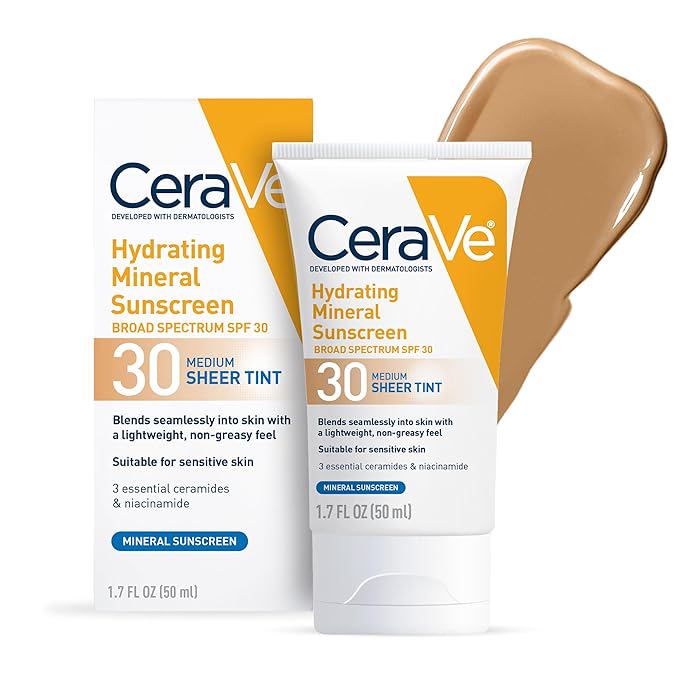
- Sun protection is non-negotiable. Ultraviolet exposure darkens PIH and prolongs PIE. A broad-spectrum sunscreen of at least SPF 30 applied daily is the single most effective measure.
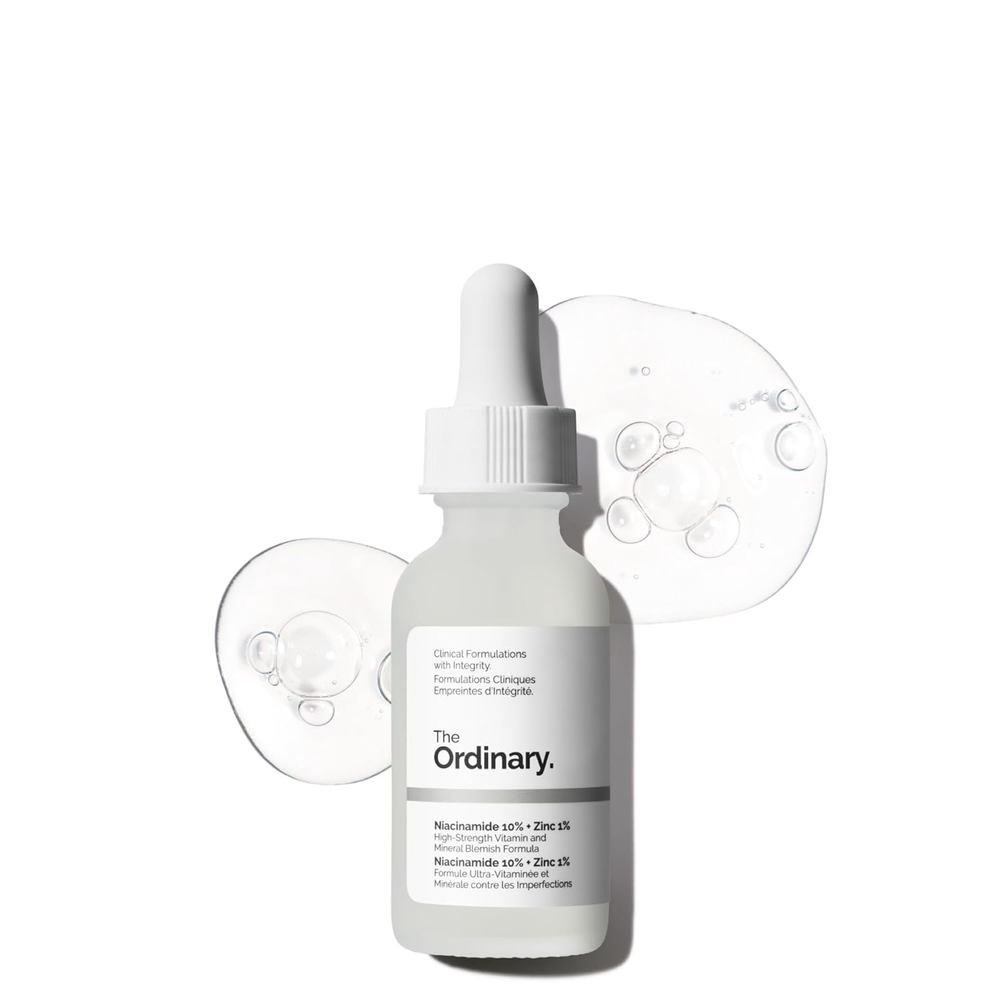
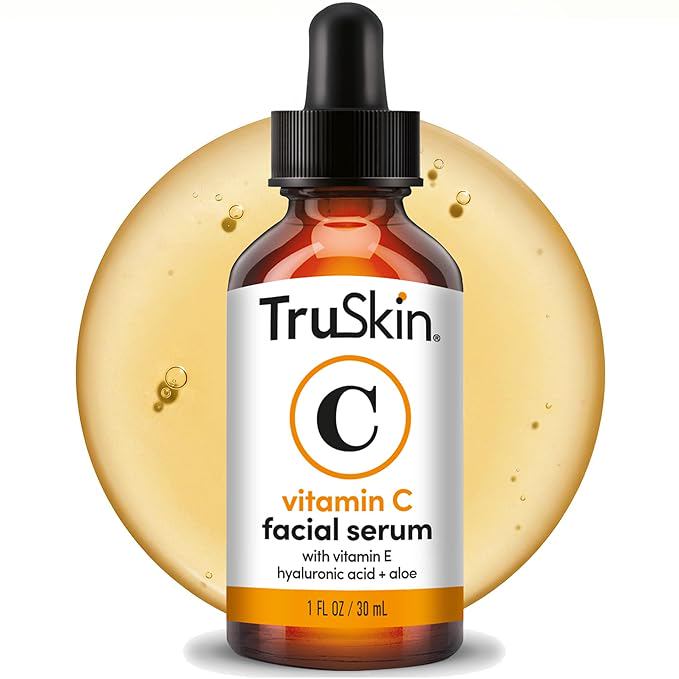
- Gentle brightening ingredients. Vitamin C, niacinamide, azelaic acid, and licorice root extract can help reduce pigment without causing irritation. Start with one new product at a time and patch test first.
- Stay consistent and patient. Most post-inflammatory marks improve noticeably within three to six months of consistent sun protection and targeted care.
How to approach acne scars
True acne scars do not respond to topical products alone. They require professional treatments that rebuild or remodel collagen.
- For atrophic scars: Options include microneedling, fractional laser therapy, chemical peels, and subcision. These procedures stimulate collagen production to plump up depressed areas over time.
- For hypertrophic scars: Corticosteroid injections, silicone gel or sheets, and laser therapy can help flatten raised tissue.
- Prevention is key: The best way to minimize acne scars is to treat active acne early and avoid picking or squeezing pimples. Keeping inflammation under control reduces the chance of collagen damage.
A note on professional guidance: Acne scar treatments should be discussed with a board-certified dermatologist. At-home devices and over-the-counter products are not strong enough to remodel deep scar tissue.
Common questions about marks vs scars
Can a post-inflammatory mark turn into a scar? No. The two are caused by different processes. A mark is a surface discoloration, while a scar involves structural change. However, a deep, inflamed pimple that takes weeks to heal is more likely to leave a scar behind, so managing inflammation early helps prevent both.
Do dark spots always mean a scar? Not at all. Brown or red spots that are flat are almost always post-inflammatory marks. If the skin is smooth to the touch, it is not a scar.
How long do post-inflammatory marks last? With consistent sun protection and gentle care, most fade within three to six months. In some cases, especially without sun protection, they can persist for a year or longer.
When should I see a professional? If you are unsure whether you have marks or scars, if the spots are not improving after several months of home care, or if you are considering any procedure that breaks the skin barrier, it is wise to consult a dermatologist for an accurate assessment and personalized plan.
Understanding whether you are dealing with temporary discoloration or permanent textural change changes everything about your skin care strategy. Post-inflammatory marks are fleeting, treatable, and manageable with patience and sun protection. True acne scars require professional intervention but can also be improved significantly. By knowing the difference, you can set realistic expectations, avoid unnecessary products, and make smarter choices for your skin's long-term health.