You’ve navigated the breakout, but the story isn’t quite over. Lingering on your skin are flat, discolored spots where acne once was—not raised scars, but marks that seem to have taken up permanent residence. Understanding what these marks are is the first, most powerful step toward helping them fade. They are not a life sentence for your skin; they are a chapter in its healing process, and with patience and the right approach, that chapter can close.
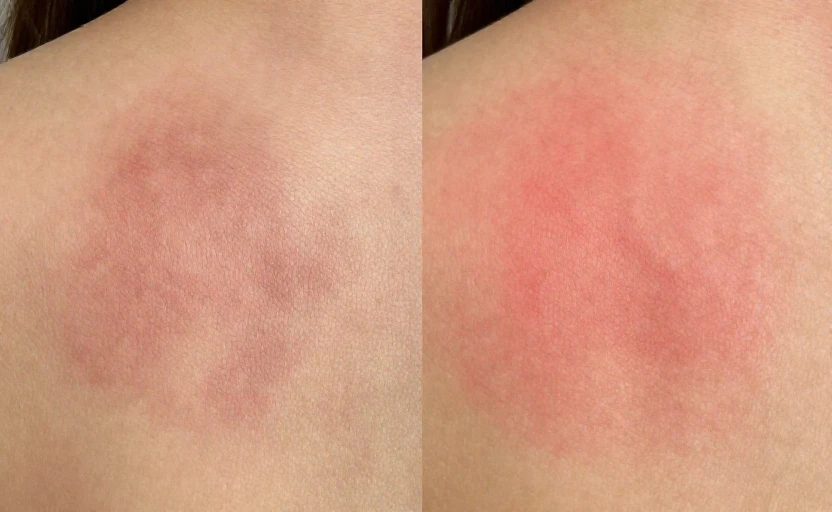
These post-acne marks are essentially your skin’s receipt for inflammation. When a pimple forms, it creates a localized inflammatory response. As that inflammation resolves, it can leave behind an excess or deficiency of pigment in the skin. The two most common types are post-inflammatory hyperpigmentation (PIH), which appears as brown, purple, or gray flat spots, and post-inflammatory erythema (PIE), which looks pink or red. Knowing which one you’re dealing with changes the game plan entirely.
What’s the difference between a mark and a scar?
This distinction is crucial. True acne scars involve a permanent change in the skin’s texture—think icepick pits or rolling hills. They occur when inflammation damages the collagen and elastin fibers deep within the skin, leading to either a loss of tissue (atrophic scars) or an overproduction of tissue (hypertrophic or keloid scars).
Post-acne marks, on the other hand, are purely a color issue. The surface of your skin is smooth. You can’t feel them with your fingers. They are a disruption in your skin’s melanin production or its vascular system, not its architecture. Because they don’t involve structural damage, they have a much higher potential to fade completely with consistent care.
How post-inflammatory hyperpigmentation (PIH) forms
Think of PIH as your melanocytes—the pigment-producing cells in your skin—overreacting to the injury of a pimple. The inflammation from acne stimulates these cells to go into overdrive, producing an excess of melanin (the pigment that gives skin its color). This excess melanin gets deposited in the upper layers of the skin, leaving behind a flat, darkened spot.
PIH is more common in medium to deeper skin tones, as these skin types naturally have more active melanocytes. The color can range from light brown to dark brown, grayish, or even purplish, depending on your skin’s depth and undertone. Sun exposure is the single biggest factor that can worsen and prolong PIH, as UV rays further stimulate melanin production.
Sun protection isn’t just preventative; it’s active treatment for dark marks.
How post-inflammatory erythema (PIE) forms
PIE has a different origin story. It’s not about pigment, but about blood vessels. Intense inflammation from cystic or papular acne can damage the tiny capillaries (blood vessels) just beneath the skin’s surface. As the acne heals, these dilated, damaged capillaries remain visible through the skin, creating a persistent pink or red mark.
PIE is more common in fair to light skin tones and is often associated with the deeper, more inflamed types of acne. You can sometimes do a simple “press test”: gently press a clear glass or your finger against the mark. If it blanches (turns white) and then returns to red, you’re likely looking at PIE, as you’re temporarily emptying the visible blood vessels.
A practical path to treatment
Your approach should be as targeted as the marks themselves. The cornerstone of treating both types is a gentle, consistent routine that supports skin barrier health. Aggressive treatments on compromised skin will only lead to more inflammation and potentially more marks.
For Post-Inflammatory Hyperpigmentation (Brown Marks)
The goal here is to gently slow down melanin production and encourage a faster turnover of the pigmented skin cells on the surface. Key ingredients work in different ways:
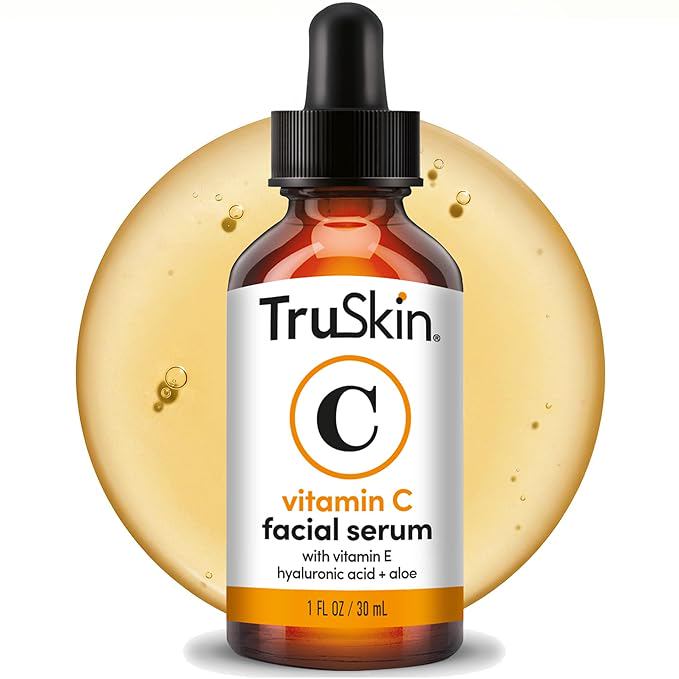
- Vitamin C (Ascorbic Acid): A potent antioxidant that interrupts the pigment-producing pathway and helps brighten existing discoloration.
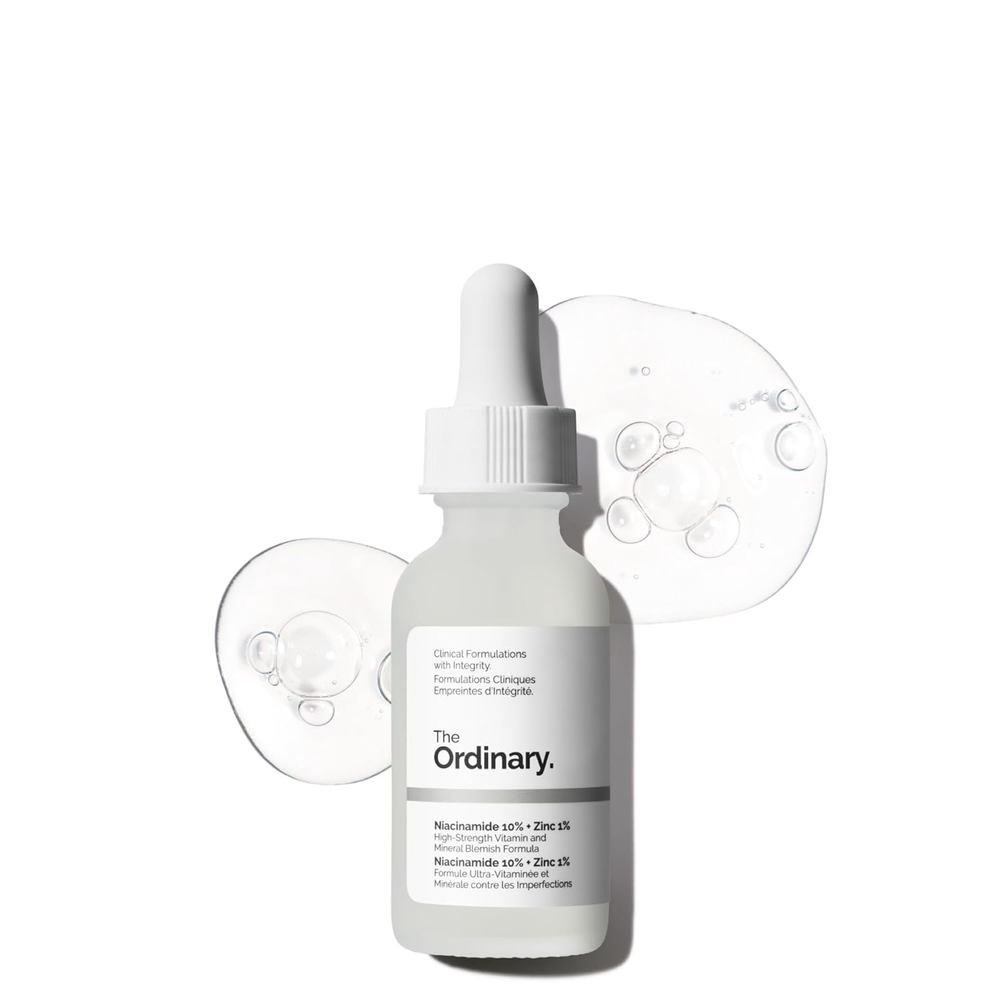
- Niacinamide: A multi-tasker that helps reduce the transfer of pigment to skin cells and improves skin barrier resilience.
- Azelaic Acid: Excellent for acne-prone skin, it works to reduce inflammation, kill acne bacteria, and inhibit melanin production.
- Retinoids (like retinol): They accelerate cell turnover, helping to shed pigmented cells more quickly and reveal fresher skin underneath.
- Alpha Hydroxy Acids (AHAs like glycolic acid): These chemical exfoliants help dissolve the “glue” between dead surface cells, promoting a brighter complexion.
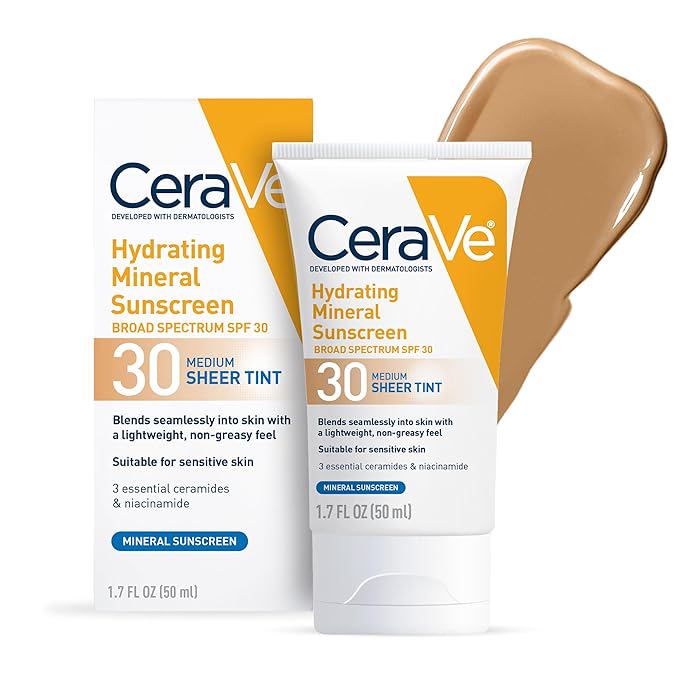
Introduce these actives slowly, one at a time, and always, always follow with a broad-spectrum sunscreen of SPF 30 or higher. Sunscreen is non-negotiable; without it, you’re undoing all your treatment work.
For Post-Inflammatory Erythema (Red Marks)
Since PIE is vascular, the treatment focuses on calming inflammation, strengthening the skin barrier, and supporting the repair of those dilated capillaries.
- Centella Asiatica (Cica) & Madecassoside: These powerhouse ingredients are renowned for their soothing, anti-inflammatory, and wound-healing properties. They help calm the residual inflammation that sustains redness.
- Niacinamide: Again, a hero ingredient. It helps strengthen the skin barrier, reducing trans-epidermal water loss and overall sensitivity, which can help capillaries heal.
- Gentle, Barrier-Supporting Moisturizers: Look for formulas with ceramides, cholesterol, and fatty acids. A healthy, hydrated barrier is less inflamed and heals more efficiently.
- Sun Protection: UV rays can worsen redness and inflammation, so sunscreen remains essential.
For persistent PIE, professional treatments like pulsed dye lasers (which target blood vessels) can be highly effective, but a dedicated at-home routine is the essential first step.
Time is a silent but critical partner in this process. Post-acne marks can take anywhere from three to six months to fade significantly, and sometimes longer. Consistency beats intensity every time. Picking, scrubbing, or over-treating will set you back. Listen to your skin. If it’s stinging or feeling tight, scale back and focus on hydration and protection. Your skin’s ability to heal is remarkable—your job is to create the calm, supported environment for it to do so.