
You already know that too much sun can burn your skin. But what you might not realize is that every single day—even when it's cloudy, even when you're inside near a window—your skin is quietly accumulating damage from ultraviolet radiation. That damage doesn't just cause wrinkles and dark spots; over time, it fundamentally alters the structure and health of your skin cells. Understanding how daily sun protection works can help you make choices that keep your skin resilient for decades, not just for a single beach day.
What exactly happens to skin without daily protection?
Think of your skin as a slow-motion photograph. Every unprotected minute in sunlight adds a tiny layer of wear. The two main culprits are UVA and UVB rays. UVB rays are the ones that cause sunburn—they damage the surface layers of your skin and are the primary driver of skin cancer. UVA rays go deeper, reaching the dermis where collagen and elastin fibers live. Over months and years, UVA exposure breaks down these supportive fibers, leading to sagging, fine lines, and a leathery texture.
There's also a subtler process: photoaging. Unlike chronological aging, which happens regardless of what you do, photoaging is entirely driven by sun exposure. It shows up as uneven pigmentation, lost elasticity, and a dull, thickened surface. And because this damage is cumulative, someone who wore sunscreen only on vacations from ages 20 to 40 will have significantly less photoaging than someone who never wore it at all—but still more than someone who applied it daily.
Bottom line: The sun doesn't take a break. Even if you don't see redness, your skin is recording each day's exposure.
How much protection is enough for daily life?
Let's talk numbers without getting lost in them. The key factor isn't just the SPF number—it's how consistently you apply. A broad-spectrum sunscreen with at least SPF 30 blocks about 97% of UVB rays. Higher SPFs (50 or 100) block a little more, but they often give people a false sense of security, leading them to reapply less often. For daily wear, a good rule is to choose SPF 30 or higher, labeled "broad spectrum" (meaning it covers both UVA and UVB).
More important than the bottle's number is your technique. Most people apply only a quarter to half the amount needed. For face and neck alone, that's about half a teaspoon. For the whole body, a shot-glass-sized amount. And you must reapply every two hours if you're outside, or after swimming or sweating. This isn't about obsessive hygiene—it's about maintaining a constant protective barrier while those rays are hitting your skin.
The hidden exposures you might miss
Here are a few overlooked situations where daily sun protection matters:
- Driving. Car windows block most UVB but not all UVA, so your left arm and left side of your face get extra exposure over the years. This is called the "driver's tan" and it's real.
- Sitting near a window at home or in an office. Standard glass blocks UVB but allows UVA to pass through.
- Cloudy or overcast days. Up to 80% of UV rays penetrate cloud cover. You won't feel the burn, but the damage is still happening.
- Snow, sand, or water reflections. These surfaces reflect UV rays, almost doubling your exposure.
What about vitamin D—do you lose it by wearing sunscreen?
This is the most common pushback against daily SPF. Here's what the dermatological evidence shows: while sunscreen does reduce vitamin D production, the effect is small enough that most people still get adequate levels from incidental exposure—the few minutes walking to the car, checking the mail, or running errands. For people who are genuinely concerned about vitamin D deficiency (especially those in northern climates or with darker skin), the safer approach is to get vitamin D from food sources or a supplement rather than relying on unprotected sun exposure. Letting your skin burn to produce a vitamin is trading a short-term benefit for long-term damage.
The long-term payoff of daily protection
Think about skin cancer first. The numbers are stark: one in five Americans will develop skin cancer in their lifetime. Daily sunscreen use from childhood to age 70 reduces the risk of squamous cell carcinoma by about 40% and melanoma by roughly 50%. That's not theoretical—it's based on long-term Australian studies where SPF use was tracked for decades. Even if you start protecting your skin later in life, you still reduce the risk of new skin cancers and slow the progression of existing sun damage.
But there's also the cosmetic side, which matters for quality of life. A landmark 2013 study published in the Annals of Internal Medicine followed people for four and a half years. Those who applied broad-spectrum SPF 15 or higher daily showed no measurable increase in skin aging. The non-daily group developed visibly more wrinkles and coarser texture. That's a powerful reminder that protection isn't just about fear—it's about preserving your skin's health and appearance for the long term.
Practical ways to build a habit that sticks
Daily sun protection doesn't have to feel like a chore. The trick is to make it routine, not intentional. Here are strategies that work for real people:
- Join it to an existing habit. Put sunscreen next to your toothbrush. Apply it to your face and neck right after brushing your teeth in the morning. You're already doing one thing; adding one small step is easy.
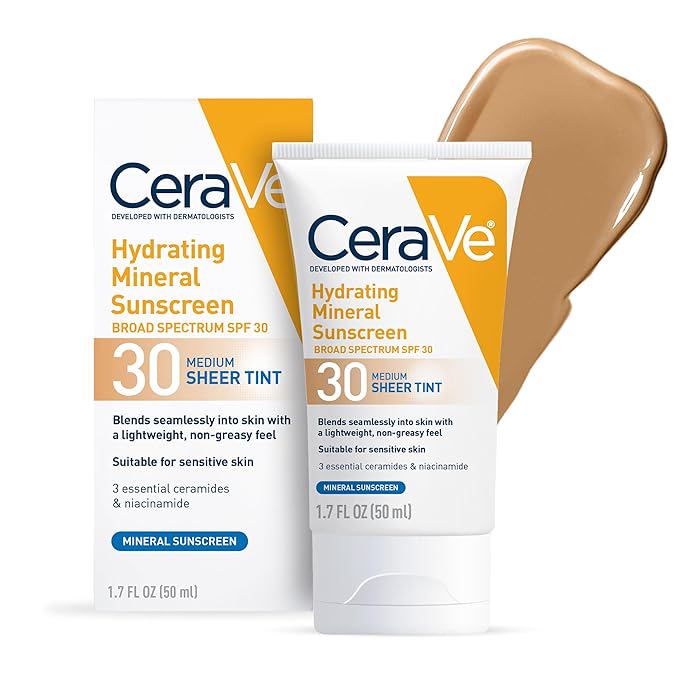
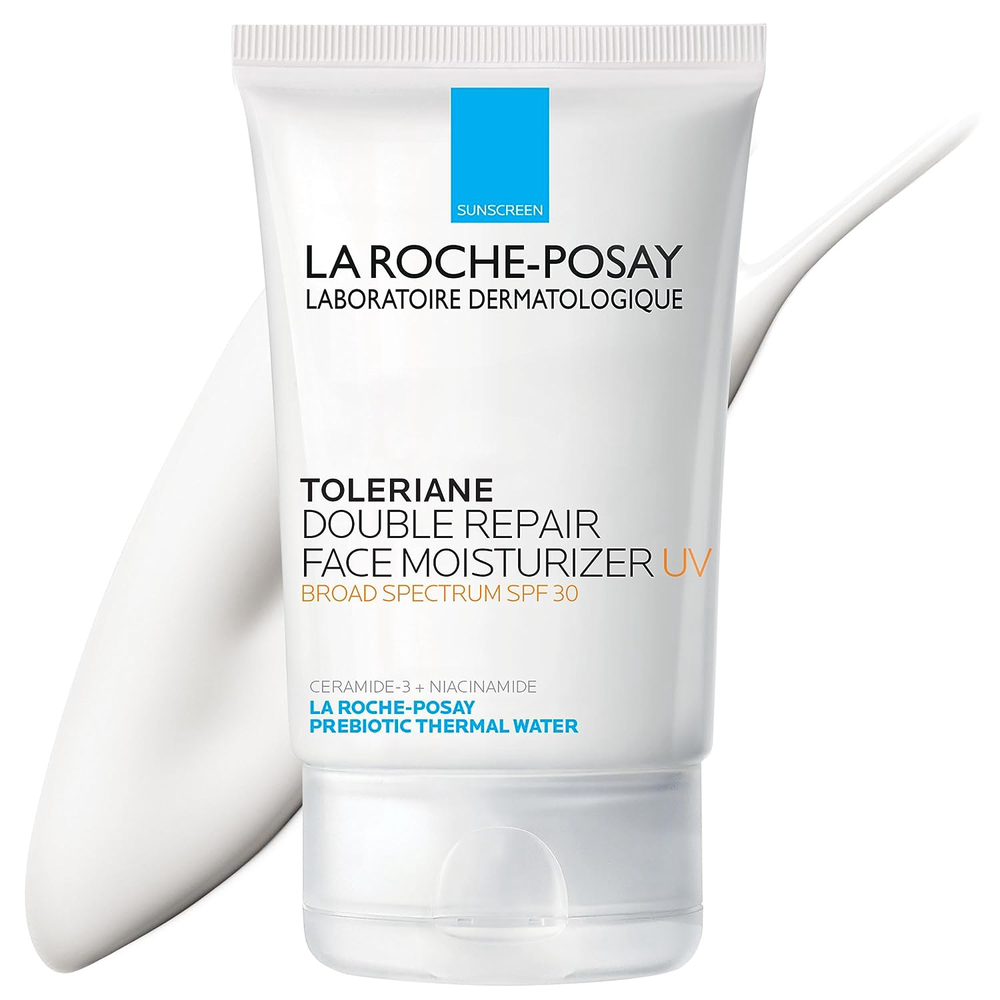
- Use a dual-purpose product. A moisturizer with SPF 30 (or a tinted moisturizer with SPF) covers both hydration and sun protection in one step. Men who skip sunscreen often find a face lotion with SPF less fussy.
- Keep a bottle in your car, your desk, and your gym bag. You can't reapply if you don't have it. Having multiple tubes means you'll never have an excuse.
- Don't forget your hands, ears, and the back of your neck. These areas are often missed but get tons of exposure. A quick swipe over the backs of your hands after applying lotion covers that base.
- Set a phone reminder to reapply if you're outdoors. A simple alarm every two hours during outdoor activities keeps you honest.
Is there a difference between mineral and chemical sunscreens?
For daily use, both types work well as long as they're broad-spectrum and SPF 30 or higher. Mineral sunscreens (zinc oxide or titanium dioxide) sit on top of the skin and reflect rays; they tend to be less irritating, which is good for sensitive skin. Chemical sunscreens (avobenzone, octinoxate) absorb UV rays and convert them into heat, which is released from the skin. Some people prefer chemical formulas because they blend in more easily under makeup.
The best daily sunscreen is the one you'll actually wear every day. If you hate the texture of one type, try another. A stick, a spray, a lotion—they all work when used correctly. The common denominator is consistent, decent coverage.
At the end of the day, the choice about daily sun protection is a choice about how you want your skin to look and function in your 40s, 50s, and beyond. The science is clear: consistent use of broad-spectrum sunscreen reduces cancer risk and slows visible aging. And unlike many health habits that feel overwhelming, this one is simple, affordable, and within everyone's control.
Think of sunscreen not as a cosmetic product but as the most effective antiaging and cancer-prevention tool you own. Apply it. Reapply it. Your future self will thank you.