If you thought acne was a teenage rite of passage you’d left behind, only to find it reappearing in your 30s, 40s, or beyond, you’re in good company. Adult acne is a common, often frustrating reality for millions. It’s not a sign that your skincare routine has failed or that you’re regressing. Instead, it’s a distinct condition with its own set of triggers and patterns, separate from the acne of your youth.
Understanding these differences is the first, most practical step toward managing it effectively. This isn’t about chasing a mythical “cure,” but about learning why your skin behaves this way now and what you can realistically do to support it.
How is adult acne different from teenage acne?
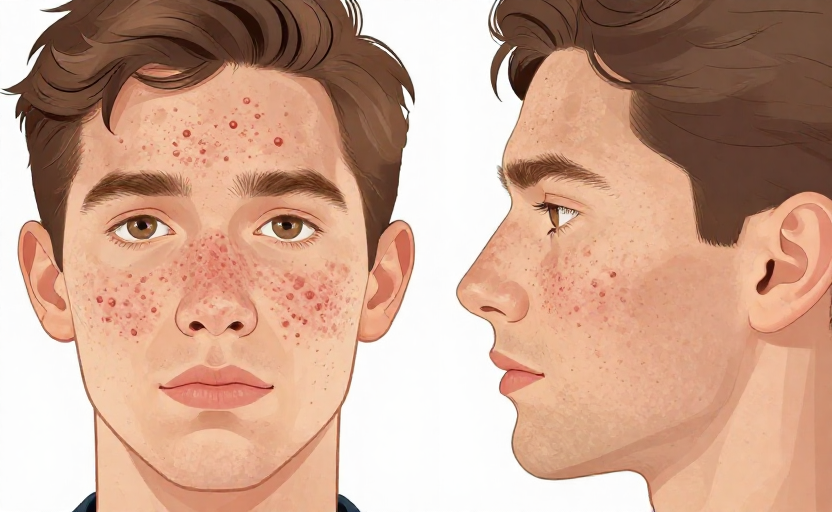
The most immediate difference is location. Teenage acne typically concentrates in the T-zone—forehead, nose, and chin—areas rich in oil glands. Adult acne, however, favors the lower face. You’ll often see it along the jawline, chin, and neck, and sometimes extending to the lower cheeks. This pattern is so common it has become a telltale sign of hormonally influenced breakouts in adulthood.
The types of blemishes shift, too. While teens often experience a mix of blackheads, whiteheads, and inflamed red pimples, adult skin tends to produce more of the deep, tender, and often cystic lesions. These form deeper under the skin’s surface, are slower to come to a head, and can be more painful and likely to leave post-inflammatory marks.
Adult acne often settles in the lower face—jawline, chin, and neck—a pattern strongly linked to hormonal fluctuations.
Perhaps the most significant difference lies beneath the surface: the root causes. Teen acne is largely driven by a surge in androgens (hormones) during puberty, which dramatically increases sebum (oil) production. For adults, while hormones still play a critical role, the picture becomes more complex. It’s less about a single hormonal surge and more about the interplay of stress, lifestyle, underlying health, and the natural aging process of your skin.
Why does acne persist into adulthood?
Persistence is the defining characteristic of adult acne. It doesn’t just “happen”; it often lingers or appears cyclically. Several key factors explain why.
Hormonal fluctuations never really stop. For women, the monthly menstrual cycle, pregnancy, perimenopause, and conditions like polycystic ovary syndrome (PCOS) can all trigger breakouts by influencing androgen levels. For men, while hormone levels are more stable, shifts can still occur with age, stress, or other health factors. This hormonal influence is why breakouts often appear in that lower-face pattern and may flare at predictable times.
Stress is a major, modern catalyst. When you’re stressed, your body produces more cortisol. This stress hormone can, in turn, signal your oil glands to produce more sebum. Furthermore, stress promotes inflammation throughout the body, which can make any existing breakout redder, angrier, and slower to heal.
Skin cell turnover slows down. As we age, the natural process of shedding dead skin cells and generating new ones becomes less efficient. These sticky, slower-to-shed cells can more easily mix with sebum and clog pores, creating the perfect environment for breakouts.
Lifestyle and product choices accumulate. The haircare, makeup, and skincare products we use for decades can contribute. Heavy, occlusive formulas, certain silicones, or simply not cleansing thoroughly can lead to “pore-clogging” over time. Diet, while not a direct cause for everyone, may be a contributing factor for some, with high-glycemic foods and dairy being common suspects.
Underlying health conditions can manifest on the skin. Sometimes, persistent acne is a visible signal of an internal imbalance, such as PCOS or other endocrine issues. This is why a sudden, severe, or treatment-resistant onset of adult acne warrants a conversation with a doctor.
A practical approach to managing adult skin
Managing adult acne requires a different mindset than battling teen breakouts. Your skin is older, more sensitive, and simultaneously dealing with acne and the early signs of aging like dryness and fine lines. The harsh, drying treatments of your youth can now do more harm than good.
The cornerstone of care is gentle consistency. Look for products with proven, non-irritating active ingredients.
- Salicylic Acid: A beta-hydroxy acid (BHA) that oil-soluble, meaning it can exfoliate inside the pore lining to clear out debris. Ideal for blackheads and clogged pores.
- Azelaic Acid: A multi-tasking ingredient that reduces inflammation, kills acne-causing bacteria, and helps fade post-acne dark spots. It’s often well-tolerated by sensitive skin.
- Retinoids: Vitamin A derivatives (like retinol, adapalene, or prescription tretinoin) are gold standards. They accelerate cell turnover, prevent pore clogging, and stimulate collagen—addressing both acne and aging. Start low and slow to minimize irritation.
- Niacinamide: A form of vitamin B3 that helps regulate oil production, soothe redness, and strengthen the skin barrier, which is crucial for acne-prone skin that’s also sensitive.
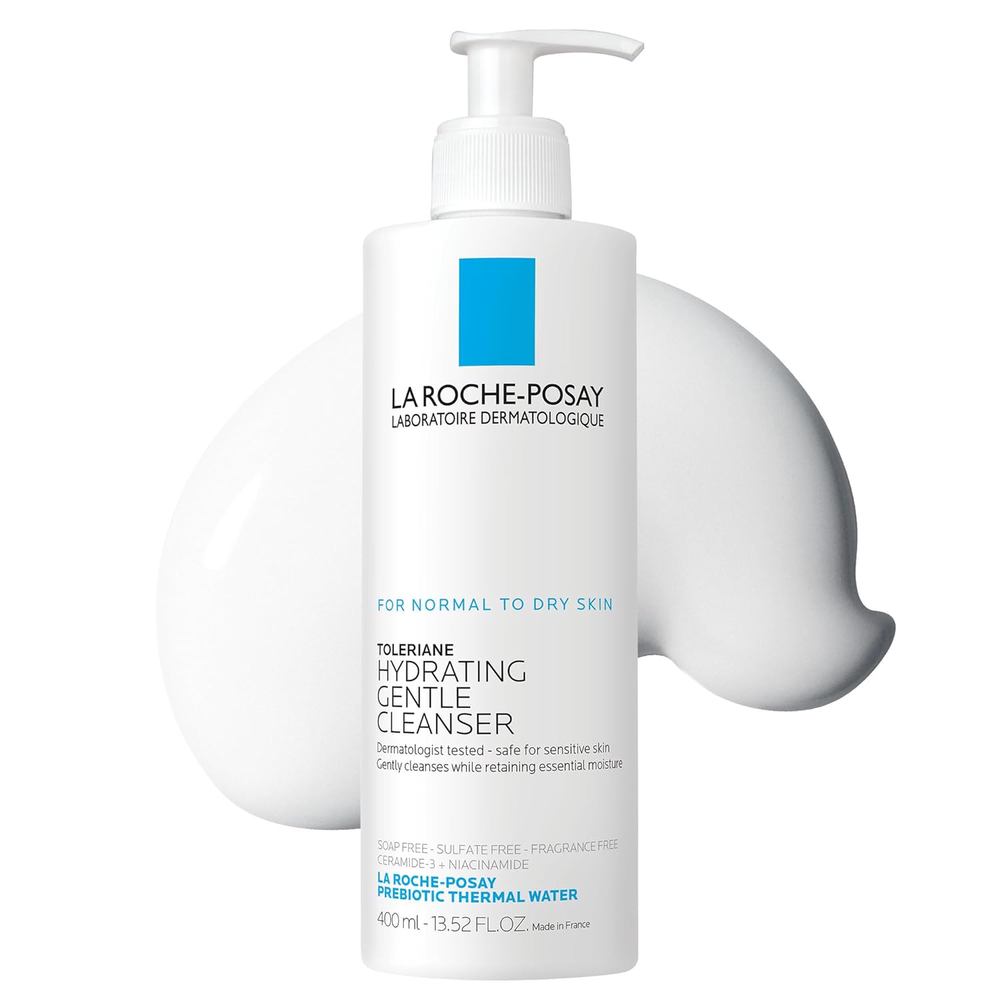
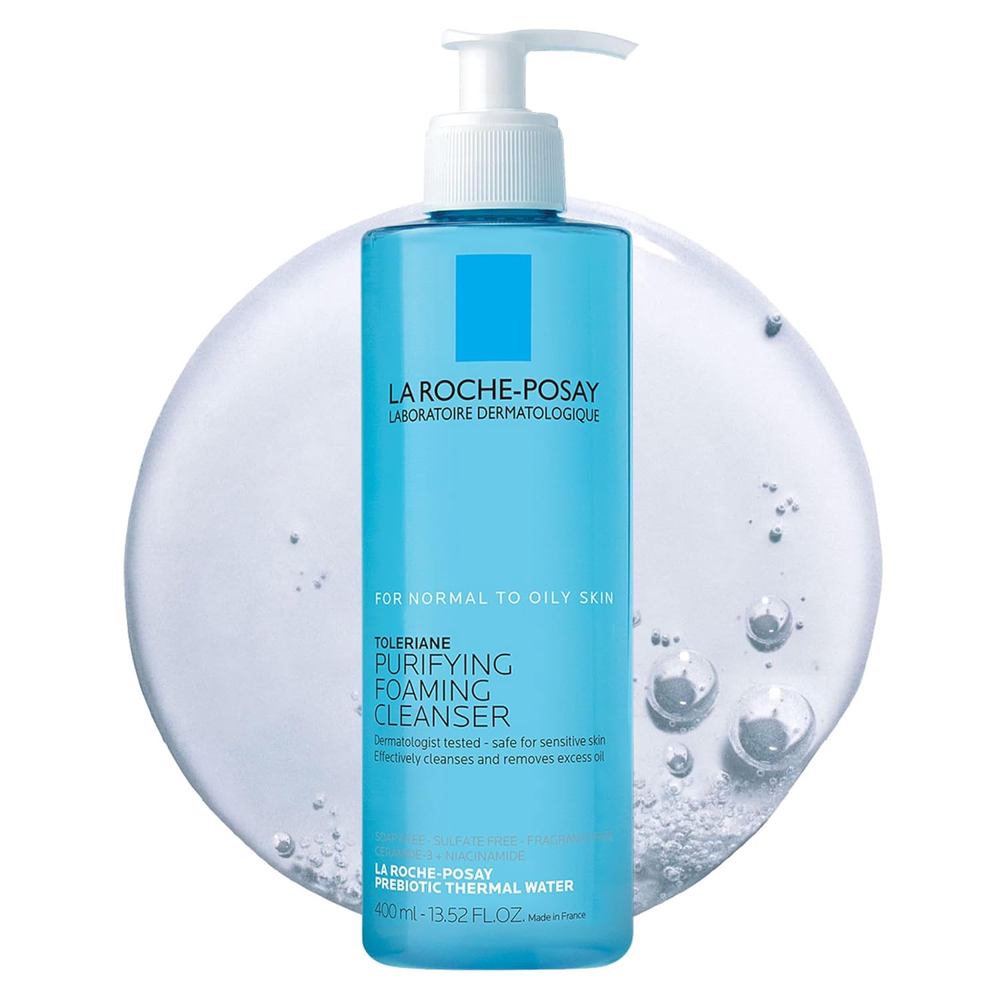
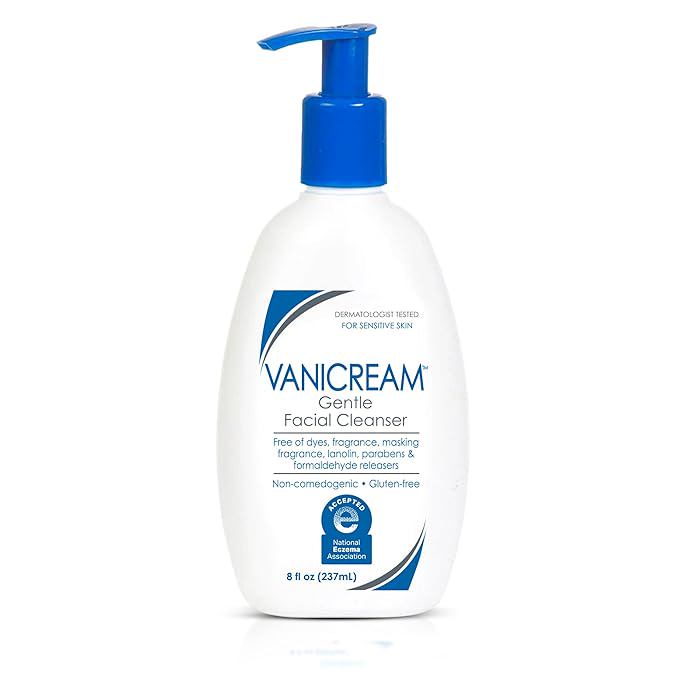
Your routine should prioritize barrier support. This means using a gentle, non-stripping cleanser, applying a lightweight, non-comedogenic moisturizer daily (yes, even oily skin needs hydration), and never skipping broad-spectrum sunscreen. Sun exposure can darken acne marks and increase inflammation.
When to seek professional guidance
If a consistent, gentle over-the-counter routine isn’t making a meaningful difference after 2-3 months, it’s time to see a dermatologist. They can offer stronger, targeted treatments that address the specific type and cause of your acne. These may include prescription-strength topical treatments, oral medications like antibiotics or hormonal therapies (e.g., spironolactone for women), or in-office procedures like chemical peels or laser therapies.
Consulting a professional is especially important if your acne is severe, causing deep cysts, or leading to scarring. They can help you navigate a path that treats the acne while preserving your skin’s long-term health.
Adult acne can feel like an unfair puzzle, but it is a manageable one. By recognizing it as a distinct condition with complex causes—from hormones to stress to skin aging—you can move away from frustration and toward a thoughtful, effective strategy. Be patient with your skin and with yourself. The goal is not perfection, but improvement and understanding.