If you’ve ever felt a deep, painful lump under your skin that refuses to surface, you’ve likely encountered cystic acne. It’s a different experience entirely from the occasional surface pimple, and understanding that difference is the first step toward managing your skin with more clarity and less frustration. This isn’t about minor blemishes; it’s about a distinct form of acne that operates on a deeper, more inflammatory level.
Confusing the two can lead to ineffective treatments and increased skin irritation. By learning to identify what you’re dealing with—its location, sensation, and behavior—you can make more informed decisions about your skincare routine and know when it’s time to seek professional guidance.
What does cystic acne look and feel like?
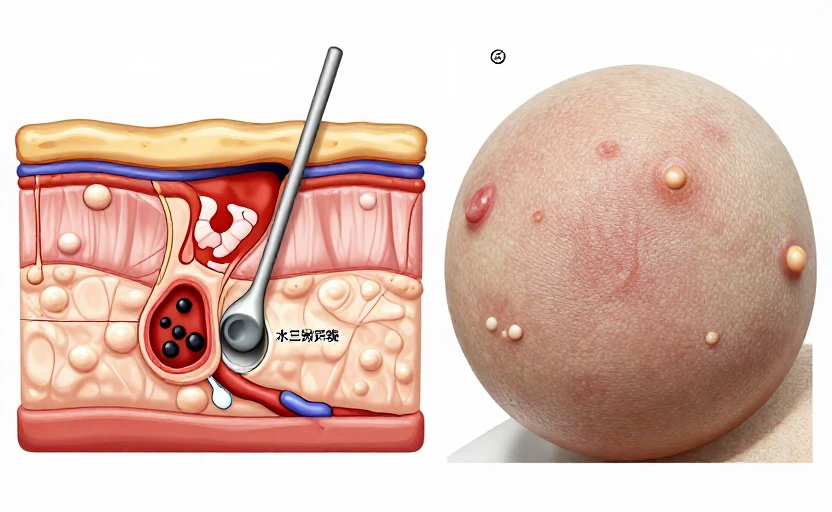
Cystic acne forms deep within the skin, originating from a clogged pore that ruptures beneath the surface. This rupture triggers a significant inflammatory response as your body tries to contain the damage. The result is a tender, often painful nodule or cyst that you can feel more than you can see in its early stages.
Visually, a cystic lesion typically appears as a red, swollen bump without a visible “head.” It lacks the central pore opening of a whitehead or blackhead. The skin over it may be taut and shiny. These lesions are firm to the touch and can linger for weeks or even months, sometimes healing with post-inflammatory hyperpigmentation or, in severe cases, scarring.
The hallmark of cystic acne is a deep, painful lump that feels like it’s anchored under the skin.
How is a regular pimple different?
Regular pimples, clinically known as non-inflammatory comedones or mild inflammatory lesions, are far more superficial. They occur when a pore becomes clogged with excess oil (sebum) and dead skin cells near the skin’s surface.
- Blackheads (Open Comedones): The pore remains open, and the clog oxidizes, turning dark.
- Whiteheads (Closed Comedones): The pore is closed over by a thin layer of skin, creating a small, flesh-colored or white bump.
- Papules: Small, pink, tender bumps indicating mild inflammation.
- Pustules: What we often call a “zit”—a red bump with a visible white or yellow center of pus.
These common pimples are often responsive to over-the-counter treatments containing ingredients like salicylic acid or benzoyl peroxide. They come and go relatively quickly, usually within a few days to a week.
Why does cystic acne develop?
The root causes of cystic acne are multifactorial and more intense than those of surface breakouts. While excess oil and dead skin cells play a role, the primary driver is a cascade of inflammation triggered deep within the pore.
Hormonal fluctuations are a major contributor, which is why cystic acne often appears along the jawline, chin, and neck. Androgens (hormones like testosterone) can stimulate oil glands to produce more sebum. This thicker oil, combined with an overgrowth of a common skin bacteria called Cutibacterium acnes, can lead to a pore wall breaking open deep in the follicle. Your immune system responds to this breach, causing the severe redness, swelling, and pain characteristic of a cyst.
Genetics also play a significant role; if your parents had severe acne, you may be more prone to the cystic form.
Common triggers to be aware of
While not direct causes for everyone, certain factors can exacerbate cystic acne or trigger flare-ups. These include significant hormonal shifts (like those during menstrual cycles, pregnancy, or perimenopause), high-stress periods that increase cortisol, certain medications, and diets high in refined sugars and dairy for some individuals. Friction or pressure from things like phone screens, helmets, or habitual face-touching can also aggravate existing cysts.
Approaching care and management
This is where the distinction between cystic and regular acne becomes critically important. The treatments that work for surface pimples are often too harsh and superficial for deep cysts and can worsen inflammation.
For regular pimples, a consistent routine focused on gentle cleansing, exfoliation with beta-hydroxy acids (like salicylic acid) to unclog pores, and anti-inflammatory ingredients (like niacinamide or low-dose benzoyl peroxide) is often effective. Spot treatments can help reduce individual blemishes.
For cystic acne, the approach shifts. The goal is to calm systemic inflammation and prevent new deep clogs from forming. Because the problem is so far beneath the skin, topical products have limited reach. Dermatologists often consider prescription-strength options that work internally. These may include topical retinoids to accelerate cell turnover and prevent clogging, oral antibiotics to reduce bacteria and inflammation, or hormonal therapies like certain birth control pills or spironolactone for hormonally-driven cases.
Never try to pop a cystic acne lesion. The infection is too deep, and squeezing can force bacteria and inflammation deeper, worsening the lesion and significantly increasing the risk of permanent scarring.
When to see a dermatologist
If you suspect you have cystic acne, making an appointment with a board-certified dermatologist is one of the most proactive steps you can take for your skin’s health. Professional guidance is strongly recommended if you experience deep, painful nodules; if your acne is leaving dark spots or scars; or if over-the-counter products have shown no improvement after several weeks.
A dermatologist can provide an accurate diagnosis, rule out other conditions, and create a targeted treatment plan. They have access to the most effective tools for severe acne, including prescription medications and in-office procedures like corticosteroid injections, which can rapidly reduce inflammation in a large cyst.
Supporting your skin daily
While a dermatologist manages the medical treatment, your daily routine should focus on support, not attack. Use a gentle, non-abrasive cleanser. Moisturize consistently—even oily, acne-prone skin needs hydration to maintain a healthy barrier. Look for non-comedogenic products. Sun protection is non-negotiable, as many acne treatments increase sun sensitivity and UV exposure can darken post-acne marks.
Patience is essential. Cystic acne responds slowly. It can take weeks or months for a treatment plan to show full results. The journey is about long-term management, not instant fixes.