
Navigating acne as a teenager can feel overwhelming. Between school, social pressures, and a changing body, adding a complicated skincare routine to the mix is the last thing you need. The good news? Effective acne care doesn't require a cabinet full of products or a 10-step ritual. It's about consistency with a few key, gentle steps that work with your skin, not against it.
This guide breaks down a dermatologist's approach to a simple, sustainable routine. We'll focus on understanding why acne happens in the teen years and how to build a foundational regimen that cleanses, treats, and protects without stripping or irritating your skin. The goal is clarity and confidence, not perfection.
Why is teen skin so prone to acne?
During adolescence, hormonal shifts are the primary driver. Increased androgen hormones stimulate the sebaceous (oil) glands in your skin to produce more sebum. At the same time, the rate at which skin cells shed and renew can accelerate, leading to clogged pores when excess oil and dead cells mix. This creates the perfect environment for Cutibacterium acnes bacteria, which naturally live on the skin, to multiply, leading to inflammation and those familiar red, tender bumps.
It's a perfect storm of biology, and it's incredibly common. The aim of a good routine is to gently manage this process—reducing excess oil, keeping pores clear, and calming inflammation—while supporting your skin's overall health.
The core three-step routine
Think of this as your daily non-negotiable foundation. Morning and night, it comes down to three actions: cleanse, treat, moisturize. In the morning, you'll add a crucial fourth: protect.
1. Cleanse: Start fresh, gently
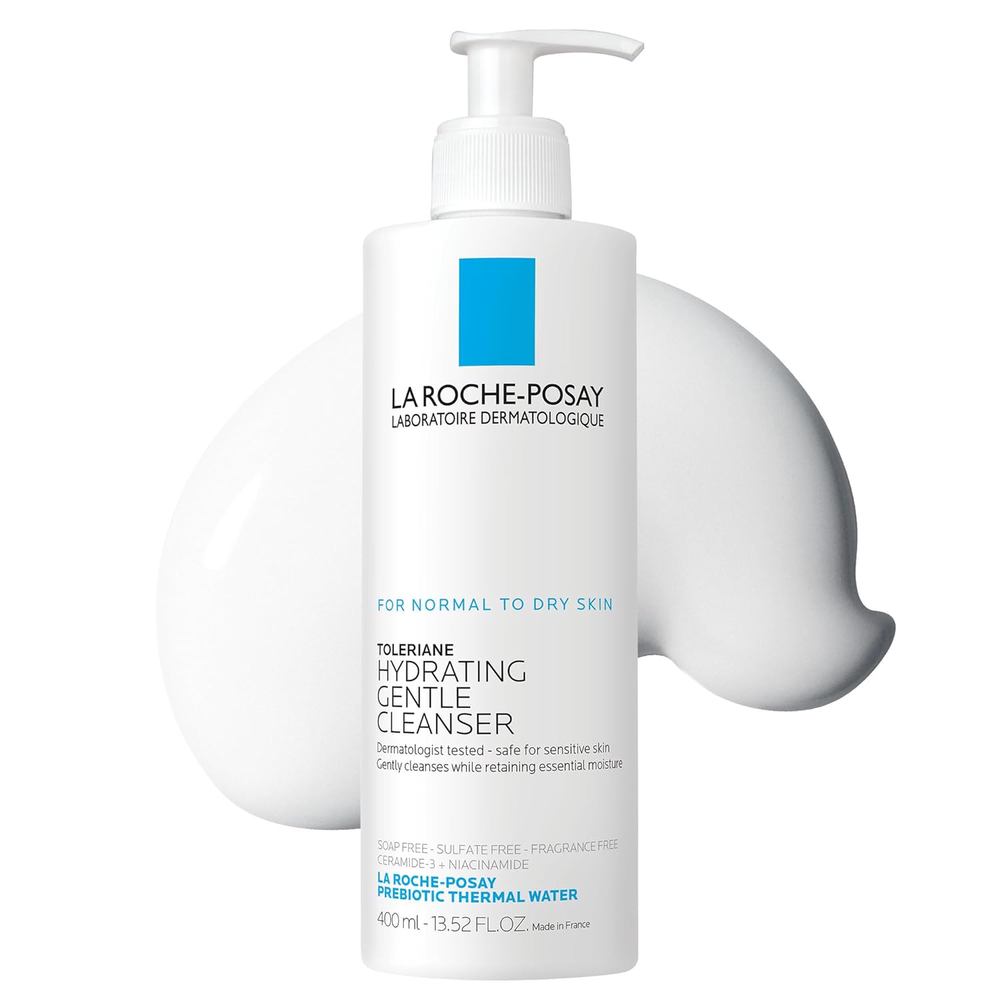
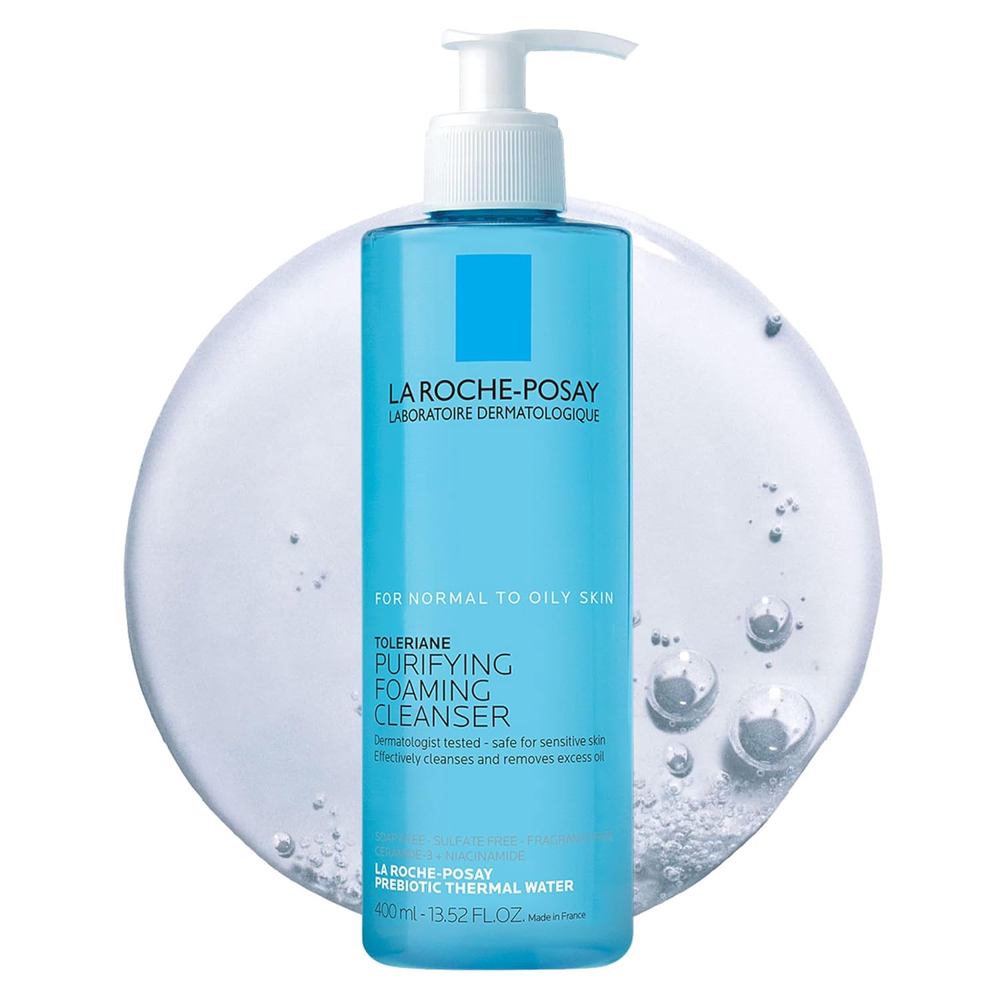
Cleansing removes excess oil, sweat, dirt, and pollutants. The key is to use a gentle, non-abrasive cleanser. Harsh, stripping formulas can damage your skin barrier, triggering it to produce even more oil in response.
- Look for: Gel or creamy formulas labeled "non-comedogenic" (won't clog pores). Ingredients like salicylic acid (for oily, bumpy skin) or benzoyl peroxide (for inflamed, red pimples) can be helpful if used in a wash-off format, which is less irritating than leave-on treatments for some.
- Technique matters: Use lukewarm water, not hot. Gently massage the cleanser onto damp skin with your fingertips for about 30 seconds, then rinse thoroughly. Pat dry with a clean towel—no scrubbing.
- Frequency: Twice daily is typically sufficient. Over-washing can be just as problematic as not washing at all.
2. Treat: Target the acne process
This is where you apply an active ingredient to help unclog pores, reduce bacteria, or calm redness. Apply a pea-sized amount to your entire affected area (like the forehead, cheeks, and chin), not just on individual spots. This helps prevent new breakouts from forming.
Start slowly with treatment products. Using a new treatment every other night for the first week or two allows your skin to adjust and helps you avoid irritation.
Common effective ingredients include:
- Salicylic Acid: A beta-hydroxy acid (BHA) that exfoliates inside the pore to dissolve clogs. Excellent for blackheads and whiteheads.
- Benzoyl Peroxide: Kills acne-causing bacteria and helps reduce inflammation. Can be drying or bleach fabrics, so start with a lower concentration (2.5% or 5%).
- Adapalene: A retinoid available over-the-counter. It works by normalizing skin cell turnover to prevent pores from clogging. It's a powerful preventative tool but requires patience—results take several weeks, and initial dryness or peeling is common.
3. Moisturize: Restore balance
Even oily, acne-prone skin needs hydration. A good, oil-free moisturizer helps maintain your skin's protective barrier, which can be compromised by acne treatments. When your skin is hydrated and balanced, it's less likely to overreact and produce excess oil.
Look for lightweight, gel-based or lotion formulas with "non-comedogenic" on the label. Ingredients like hyaluronic acid, glycerin, or niacinamide can provide hydration and soothe the skin without adding heaviness.
4. Protect (Morning Only): The ultimate anti-aging and anti-acne step
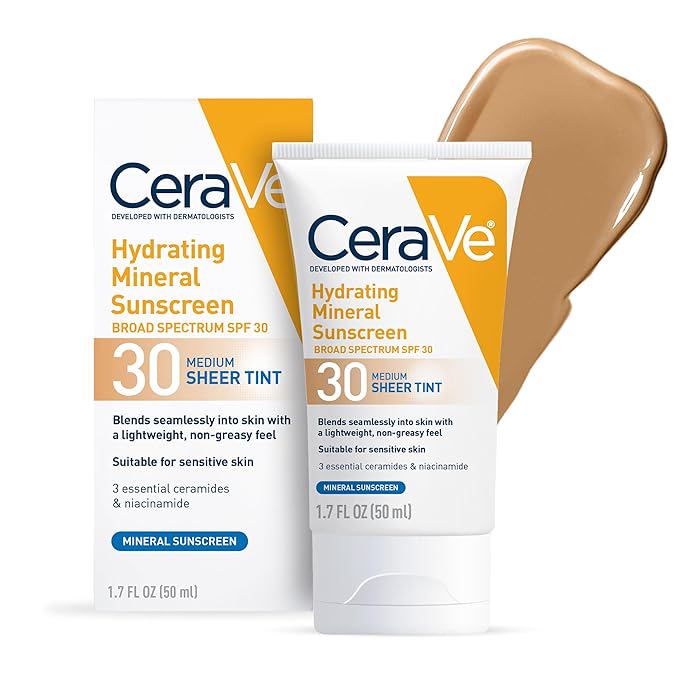
Sun protection is non-negotiable. Many acne treatments can make your skin more sensitive to the sun. Moreover, sun exposure can darken post-acne marks and cause inflammation. Use a broad-spectrum, oil-free sunscreen with SPF 30 or higher every single morning, even on cloudy days. Mineral sunscreens with zinc oxide or titanium dioxide are often well-tolerated by sensitive, acne-prone skin.
What to avoid in your routine
Simplicity is your friend. Common missteps can worsen acne or cause irritation.
- Physical scrubs: Avoid gritty scrubs or harsh cleansing brushes. They can cause micro-tears and worsen inflammation.
- Over-exfoliating: Using multiple acids (like a salicylic acid cleanser, a glycolic acid toner, and a retinoid) all at once can destroy your skin barrier. Stick to one or two active ingredients consistently.
- Picking or popping: It's tempting, but it pushes bacteria deeper, increases inflammation, and dramatically raises the risk of scarring and prolonged redness.
- Drying alcohols: Avoid toners or products where alcohol denat. is a top ingredient, as they can be overly stripping.
When to see a dermatologist
A simple at-home routine is a great start for mild to moderate acne. Consider making an appointment if:
- Your acne is severe, very painful, or causing deep cysts.
- Over-the-counter products haven't shown improvement after 8-12 weeks of consistent use.
- You're noticing dark spots or scars developing after breakouts heal.
- The acne is affecting your self-esteem or emotional well-being.
A dermatologist can provide personalized guidance and, if needed, prescribe treatments that are stronger and more targeted than over-the-counter options.
Patience and consistency are key
Skin doesn't change overnight. It takes about 4-6 weeks of consistent use to see noticeable results from a new product, and full results can take 3 months. Stick with your simple routine, be gentle with your skin, and remember that acne is a common medical condition—not a reflection of your cleanliness or worth.