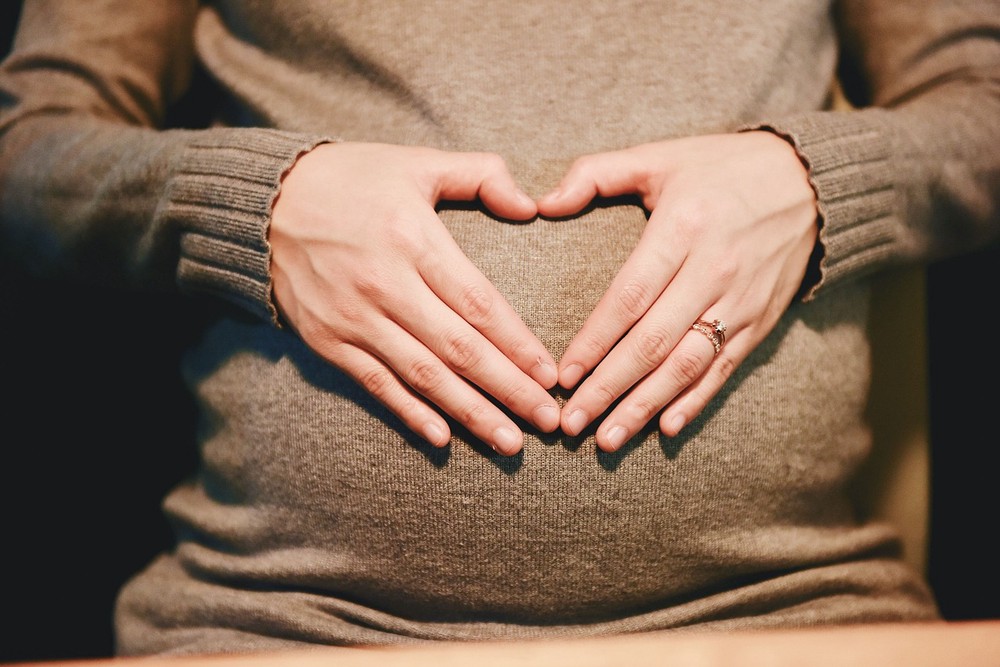
Pregnancy brings a cascade of changes, and your skin often tells the story first. From the glow that comes with increased blood flow to the mask of pregnancy (melasma), most shifts are normal and temporary. But some skin symptoms can signal something more than a hormonal rite of passage. Knowing which changes are part of the journey and which ones warrant a call to a dermatologist can protect both your comfort and your health.
Below are seven warning signs that your pregnancy skin changes may need professional attention. This guide is for educational purposes and is not a substitute for personalized medical advice. Always consult your healthcare provider for concerns specific to your pregnancy.
1. Rashes That Spread or Intensify
It’s common to experience mild heat rash or sensitivity to skin-care products during pregnancy. However, if you develop a rash that spreads rapidly, becomes painful, or forms blisters, it’s time to see a dermatologist. Conditions like polymorphic eruption of pregnancy (PEP) or pemphigoid gestationis can start with itching and redness. These require specific diagnosis and treatment to avoid complications for you and your baby.
Red flag: A rash that does not improve with gentle, fragrance-free moisturizers or cool compresses should be evaluated.
2. Uncontrollable Itching (Especially at Night)
Some itching is normal as your belly stretches, but intense itching—particularly on the palms of your hands and soles of your feet, or that keeps you awake at night—may indicate intrahepatic cholestasis of pregnancy (ICP). This liver condition affects bile flow and can pose risks to the baby. A simple blood test can rule it out, and a dermatologist can coordinate with your OB.
3. New Moles or Changes to Existing Moles
Hormonal shifts during pregnancy can darken existing moles or cause new ones to appear. While most are harmless, the American Academy of Dermatology recommends monitoring moles for the ABCDEs (asymmetry, border irregularity, color change, diameter larger than a pencil eraser, evolving). If a mole changes shape, bleeds, or becomes itchy, a dermatologist should examine it to rule out melanoma, which can be aggressive in pregnancy.
4. Sudden, Severe Acne with Deep Cysts
Pregnancy acne is common, but if you develop painful, deep cystic lesions—especially on your face, back, or chest—over-the-counter washes may not be enough. Some prescription acne medications (like isotretinoin or certain retinoids) are dangerous during pregnancy. A dermatologist can recommend safe topical treatments, such as azelaic acid or specific antibiotics, that won’t harm your baby.
5. Blisters or Open Sores
Any blistering, peeling, or open sores on your skin during pregnancy should be evaluated. Conditions like pemphigoid gestationis (an autoimmune blistering disease) typically begin around the belly button and spread. Herpes simplex outbreaks can also become more frequent or severe during pregnancy. A dermatologist can perform a biopsy and prescribe antiviral or topical treatments that are safe for pregnancy.
6. Skin that Changes Texture or Feels Swollen
While fluid retention can make your legs feel tight, localized swelling accompanied by red, hot, or shiny skin could signal cellulitis or a blood clot. Similarly, sudden thickening or hardening of the skin on your fingers, toes, or face may be a sign of scleroderma or other connective tissue disorders that can emerge during pregnancy. A dermatologist can help differentiate between normal edema and conditions that need prompt treatment.
7. Any Change That Worries You
Trust your gut. If a skin change looks unusual, feels painful, or is accompanied by other symptoms like fever, joint pain, or fatigue, do not hesitate to seek a professional opinion. Pregnancy already involves frequent checkups; adding one visit to a dermatologist can bring peace of mind and early intervention if needed.
Your skin during pregnancy is a mirror of your body’s hard work. Most changes are harmless and temporary, but staying aware of these seven warning signs helps you know when a dermatologist’s expertise matters. Always discuss your concerns with your healthcare team, and remember that healthy skin contributes to a healthier pregnancy journey.