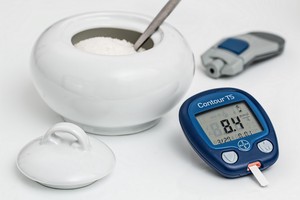

Most people associate high blood sugar with two unmistakable signs: unquenchable thirst and frequent trips to the bathroom. While these are classic markers of hyperglycemia, the body often sends quieter, easier-to-miss signals long before those headline symptoms appear. For anyone living with diabetes or prediabetes—or simply trying to stay ahead of their metabolic health—recognizing these subtle cues can make a significant difference in how you manage your glucose levels day to day.
Here are seven less obvious symptoms of high blood sugar that deserve your attention.
1. Blurry vision that comes and goes
High blood sugar can cause fluid to shift in and out of the lenses of your eyes, changing their shape and temporarily affecting your ability to focus. Unlike long-term diabetic retinopathy, this blurriness tends to fluctuate—clear one hour, slightly foggy the next. If you notice that your vision seems to sharpen after you eat a lower-carb meal or after physical activity, glucose variability may be the culprit.
2. Slow-healing cuts, scrapes, and bruises
When blood sugar stays elevated for extended periods, it impairs circulation and reduces the efficiency of white blood cells, which are essential for wound repair. You might notice that a small paper cut takes days longer to close, or that a bruise seems to linger well past its expected timeline. This subtle delay in healing is often one of the earliest signs that glucose levels are consistently running high.
3. Recurrent infections, especially skin or urinary
High glucose in the bloodstream creates a favorable environment for bacteria and yeast to thrive. Women may notice more frequent vaginal yeast infections, while men and women alike might experience stubborn skin infections, boils, or fungal rashes in warm, moist areas. If you’re battling the same foot fungus or scalp irritation month after month, it may be time to check your blood sugar.
4. Unexplained fatigue after meals
Feeling wiped out an hour or two after eating—even when you’ve had a reasonable night’s sleep—can be a sign that your body is struggling to move glucose from your blood into your cells. Instead of providing energy, the sugar sits in your bloodstream, and your cells are left feeling starved. This post-meal slump is different from ordinary tiredness; it often feels like a heavy, brain-fog kind of exhaustion that improves temporarily if you get up and move.
5. Numbness or tingling in the hands or feet
Chronically high blood sugar can damage small nerve fibers over time, leading to a condition called peripheral neuropathy. Early signs often feel like a mild pins-and-needles sensation in the toes or fingertips, or a feeling that your socks are bunched up when they aren’t. These sensations may come and go at first, but they tend to become more constant if glucose levels remain unchecked.
6. Dry, itchy skin
Dehydration from high blood sugar doesn’t always announce itself as thirst. Sometimes it shows up as skin that feels persistently dry, flaky, or itchy, especially on the lower legs, elbows, and feet. Poor circulation and reduced sweat production compound the effect. If you’re moisturizing regularly and still feel uncomfortably dry, elevated glucose may be pulling fluid away from your skin tissues.
7. Irritability or mood swings without an obvious trigger
Blood sugar fluctuations can directly affect brain chemistry and stress hormones. When glucose runs high, some people experience a subtle but distinct shift in mood—feeling more impatient, anxious, or quick to frustration than usual. Family members or coworkers might notice it before you do. If your patience seems unusually short and you can’t pinpoint a reason, consider checking your glucose.
A note on caution: This article is for educational purposes and is not a substitute for professional medical advice. If you suspect your blood sugar may be high, consult a healthcare provider for proper testing and individualized management.