
Skin redness can feel like a constant battle—whether it's from irritation, sensitivity, or environmental triggers. The good news is that many flare-ups are preventable with a few smart adjustments to your daily routine. Below, we break down seven practical, dermatologist-informed strategies to help you keep skin calm and even-toned before redness even has a chance to start.
1. Know your triggers and keep a simple log
Redness often follows a pattern. Common culprits include harsh weather, spicy foods, alcohol, caffeine, and certain skincare ingredients like fragrances or exfoliating acids. Keep a short diary for a week or two—jot down what you ate, what products you used, and any noticeable changes in your skin. Over time, you'll see which triggers are most relevant for you. Once you know them, avoidance becomes much easier.
2. Choose gentle cleansing over harsh stripping
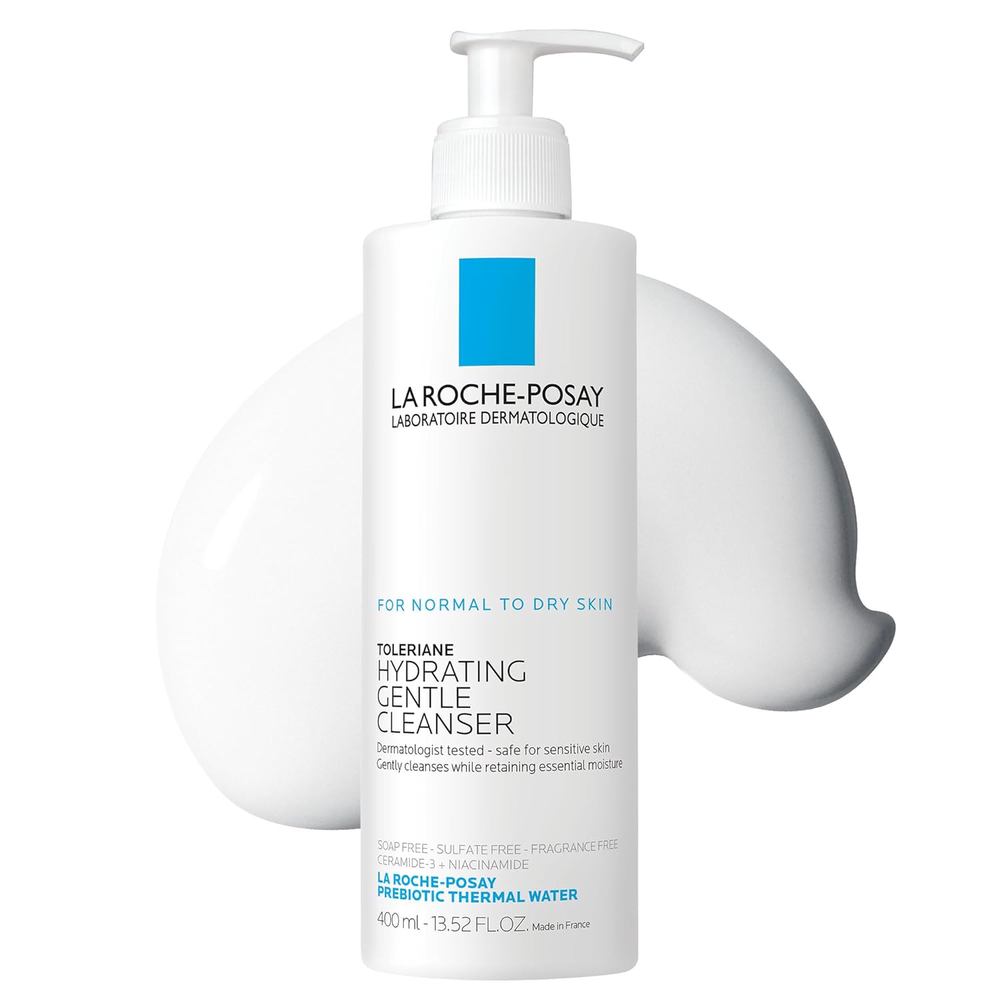
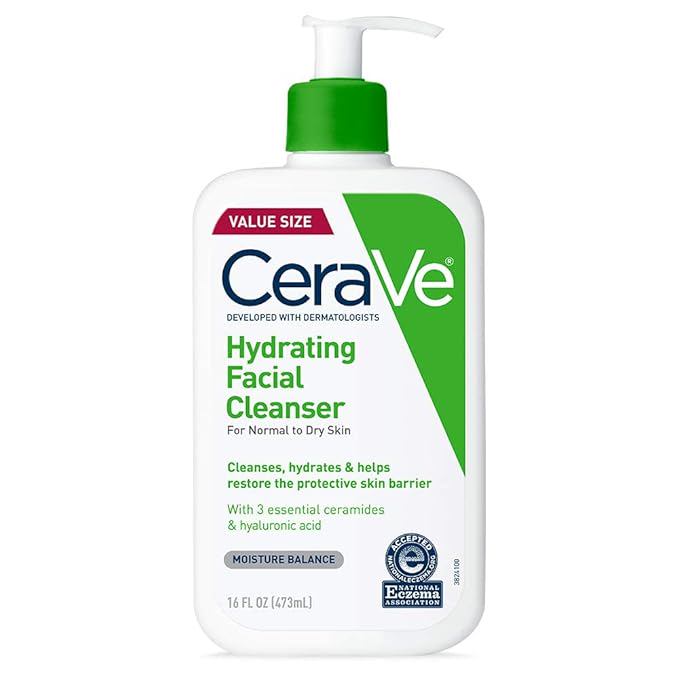
Your skin barrier is the first line of defense against redness. When you use a cleanser that leaves your face feeling tight or squeaky clean, it's likely stripping away protective oils. Opt for a mild, sulfate-free, cream-based or milky cleanser. Wash with lukewarm water—hot water inflames blood vessels—and pat dry with a soft towel instead of rubbing.
Quick tip: If your skin feels tight after washing, switch to a cleansing balm or oil cleanser. Your skin should feel soft, not stripped.
3. Focus on barrier-supporting ingredients
A healthy barrier is less reactive. Look for products containing niacinamide, ceramides, centella asiatica (cica), or oatmeal. These ingredients help soothe existing sensitivity and strengthen the skin against future irritation. Avoid layering too many active ingredients—especially retinoids, strong vitamin C, or alpha-hydroxy acids—all at once, as this over-sensitizes the skin and invites redness.
If you do use actives, a good rule is to use them on alternate nights and stick with barrier-supporting products on the other nights.
4. Protect your face from the sun every single day
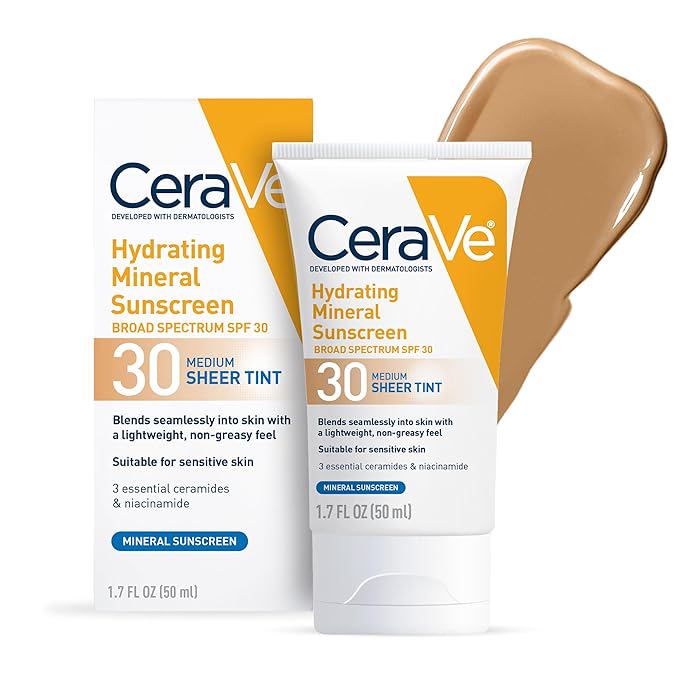
UV radiation is a major trigger for redness and broken capillaries. Daily, broad-spectrum sunscreen (SPF 30 or higher) is non-negotiable for anyone prone to redness. Mineral sunscreens with zinc oxide or titanium dioxide sit on top of the skin and deflect heat, making them less likely to cause stinging than chemical sunscreens.
5. Keep your environment in check
Dry air, sudden temperature changes, and wind can all provoke redness. In colder months, use a humidifier at home to keep indoor air from drying out your skin. In hot weather, avoid prolonged time near heating vents, fireplaces, or direct air conditioning blasts. A lightweight, breathable scarf can also shield your cheeks from wind and cold.
6. Watch what hits your plate
Diet plays a subtle but real role in redness. Inflammatory foods—including very sugary snacks, highly processed oils, and excessive dairy—may aggravate some people. On the flip side, foods rich in omega-3 fatty acids (think salmon, walnuts, flaxseeds), antioxidants (berries, leafy greens), and hydration (cucumber, melon) help calm the skin's inflammatory response. Drink plenty of water throughout the day, but don't rely solely on it; balanced nutrition matters too.
Remember: Eliminating entire food groups isn't necessary unless a clear pattern emerges. Work with a dermatologist or dietitian for personalized guidance if you suspect a food-skin connection.
7. Manage stress and sleep quality
Emotional stress and poor sleep both raise cortisol levels, which can trigger inflammation and blood vessel dilation—a direct recipe for redness. Prioritize even mild stress-management practices, like a short walk, deep breathing, or reading for 10 minutes before bed. Aim for consistent, restful sleep; your skin repairs itself most effectively while you're asleep.
Preventing skin redness is a combination of smart product choices, lifestyle habits, and knowing your unique triggers. By implementing these seven tips consistently, you can significantly reduce the chances of flare-ups and maintain a calmer, more even complexion over time. If redness persists or worsens, consulting a board-certified dermatologist is always the best next step.