
Putting a wholesome vegetarian dinner on the table in half an hour is entirely doable — and it can do good things for your gut at the same time. The trick is to keep a handful of targeted ingredients on hand that support digestion, feed beneficial bacteria, and add flavor without a lot of fuss. Whether you're meal-prepping on a Sunday or scrambling on a weeknight, these seven ingredients make it easy to build a gut-friendly meal fast.
Why focus on gut health at dinner?
The gut microbiome plays a role in everything from nutrient absorption to immune function and even mood. A dinner that’s rich in fiber, prebiotics, and polyphenols helps set the stage for better digestion overnight and a healthier microbial community overall. Vegetarian dinners are naturally positioned to deliver these benefits — especially when you choose the right building blocks.
1. Rolled oats
Rolled oats are a source of beta-glucan, a type of soluble fiber that acts as a prebiotic. Prebiotics serve as food for the friendly bacteria in your gut, helping them thrive. In a 30-minute vegetarian dinner, oats work surprisingly well beyond breakfast: they can be blended into veggie burger patties, stirred into savory porridge with mushrooms and greens, or ground into a quick crumble topping for a baked vegetable dish. They also add a pleasant, hearty texture that keeps meals satisfying.
2. Peanut butter or peanut flour
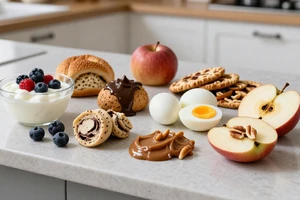
Peanuts (and peanut flour or powder) deliver resistant starch and polyphenols — both of which support gut health. Resistant starch resists digestion in the small intestine and ferments in the colon, where it fuels beneficial bacteria. Peanut flour, in particular, blends easily into sauces, dressings, and marinades without adding heaviness. Try whisking it into a satay-style sauce for tofu or drizzling it over a grain bowl. If you're using peanut butter, choose one with no added sugar or hydrogenated oils to keep the gut-benefit profile clean.
3. Dates
Medjool or deglet noor dates are more than a natural sweetener. They are rich in fiber and contain a range of phenolic compounds that act as antioxidants and prebiotics. In a savory dinner context, dates can be blended into a dressing, simmered into a tagine or stew for subtle sweetness, or chopped fine and added to a grain salad. They help balance acidic or bitter notes in dishes that feature leafy greens or vinegar, and they support gut health without spiking blood sugar the way refined sugar does.
4. Cinnamon
Cinnamon is one of the most researched spices for metabolic and digestive health. Its polyphenols have been shown to reduce inflammation in the gut and help regulate blood sugar after meals — a bonus for anyone managing energy levels or weight. In quick vegetarian dinners, cinnamon works beautifully in spiced lentil soups, curries, braised chickpeas, or even a savory sweet-potato mash. A half teaspoon is enough to add depth without making the dish taste dessert-like.
5. Coconut yogurt (unsweetened)
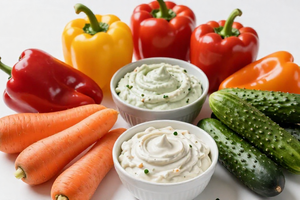
Fermented foods are among the most direct ways to introduce live probiotics into your diet. Unsweetened coconut yogurt, if it lists live active cultures on the label, provides a dairy-free option that still delivers beneficial bacteria. Use it as a creamy base for a bowl-style dinner: layer it with roasted vegetables, fresh herbs, and a sprinkle of seeds. You can also thin it with a little water and lemon juice to make a quick, tangy sauce for wraps or buddha bowls. Just be sure to choose a product with minimal added thickeners and no added sugar.
6. Leafy greens (spinach, kale, or chard)
Dark leafy greens are rich in a unique sugar called sulfoquinovose, which serves as a fuel source for beneficial gut bacteria. They also supply fiber, folate, and vitamin K. The beauty of greens in a 30-minute dinner is their speed: they can be sautéed in minutes, wilted into a soup, or used as a raw bed for warm toppings. For maximum gut benefit, pair them with a source of fat (such as olive oil or avocado) to help absorb the fat-soluble vitamins and to keep the meal balanced.
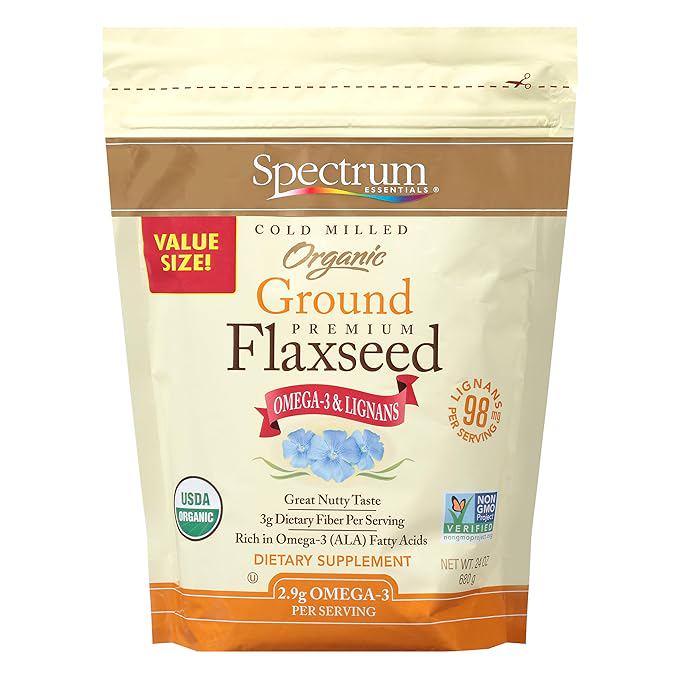
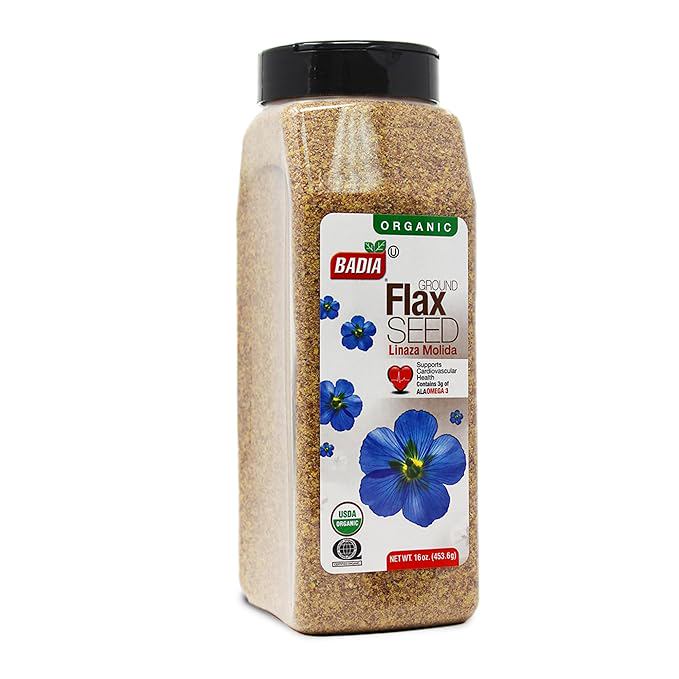
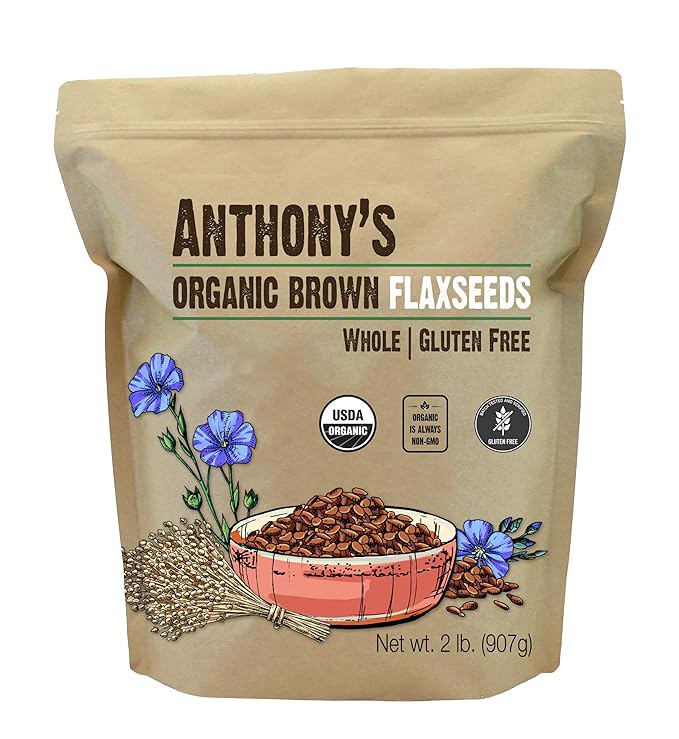
7. Seeds (pumpkin, sunflower, or flax)
Seeds are small but mighty for gut health. Pumpkin seeds offer magnesium and zinc, which support digestive enzyme function. Flaxseeds and chia seeds provide both soluble and insoluble fiber, plus lignans that act as prebiotics. Sunflower seeds contribute vitamin E and healthy fats. Sprinkle a tablespoon or two over any dinner — a bowl, a soup, or a quick stir-fry — for a textural finish that also delivers a dose of gut-supporting compounds. Grinding flaxseeds before using can help your body access their nutrients more easily.
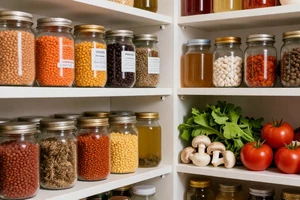
Quick note on preparation: Most of these ingredients require no special prep. Oats can be used whole or ground into a flour; dates can be soaked for ten minutes if they feel firm; seeds are ready to go straight from the bag. The idea is to keep the cooking time short while maximizing the nutritional payoff — exactly what a 30-minute vegetarian dinner should do.