Starting a strength training routine is an exciting commitment to your body’s potential. You’ve got your program, maybe some new shoes, and a burst of motivation. But what about the fuel that will power you through those first challenging sets? The right foods can be the difference between a session that feels empowering and one that leaves you feeling drained and shaky.
Nutrition isn’t about strict rules or deprivation, especially when you’re building new habits. It’s about providing your body with the specific tools it needs. For strength training, that means foods that offer sustained energy, support muscle function, and aid in recovery. We spoke with dietitians to cut through the noise and highlight seven foundational, accessible foods that can help you feel strong and energized for your first workouts.
What to look for in a pre-workout meal or snack
Think of your body like a car. You wouldn’t start a long drive on an empty tank, and you shouldn’t start lifting weights without proper fuel. The goal of eating before exercise is to top off your energy stores—primarily glycogen in your muscles—and to prevent hunger that can distract you or cause lightheadedness.
An ideal pre-strength-training snack or small meal combines carbohydrates with a bit of protein. The carbohydrates are your immediate and primary energy source, while the protein helps prime the muscles for the work ahead and supports the repair process that begins the moment you finish your last rep. A small amount of healthy fat is fine, but going overboard can slow digestion and leave you feeling uncomfortably full.
Timing matters, too. A larger meal is best eaten 2–3 hours before your workout, while a smaller snack can be consumed 30–60 minutes prior. Listen to your body; some people feel great with a small bite right before, while others need more digestion time.
Seven dietitian-recommended foods to try
These foods are chosen for their nutrient profile, accessibility, and ease of digestion. They’re simple building blocks you can mix, match, and build upon.
1. Oatmeal
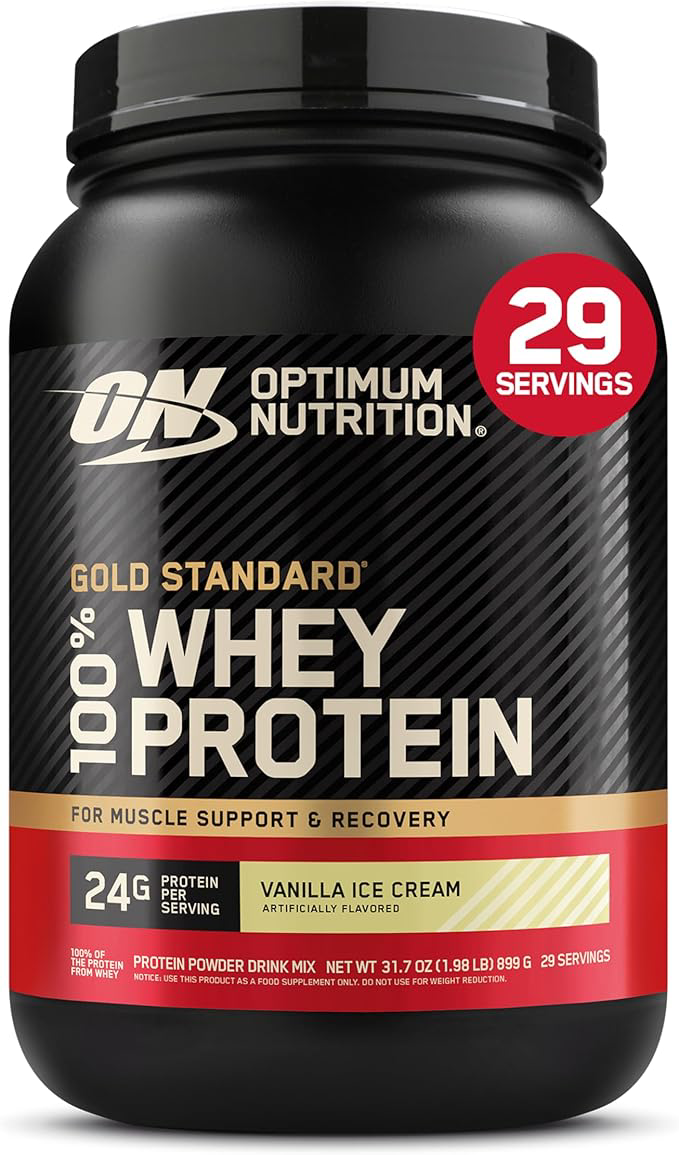
A bowl of oatmeal is a classic for a reason. It’s a fantastic source of complex carbohydrates that break down slowly, providing a steady stream of energy throughout your session. “Oats contain soluble fiber, which helps modulate the release of energy, preventing a sharp spike and crash in blood sugar,” explains one sports dietitian. For a more complete pre-workout option, stir in a scoop of protein powder, a dollop of Greek yogurt, or a tablespoon of nut butter.
2. Greek yogurt with berries
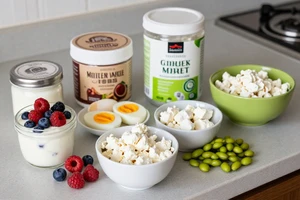
This combination hits the pre-workout trifecta. Greek yogurt offers a high-quality, quickly digestible protein (like whey and casein) to support muscle synthesis. Berries add carbohydrates for energy and are packed with antioxidants, which can help combat the oxidative stress induced by exercise. The natural sugars in the berries are easily utilized by working muscles.
3. Banana with a handful of almonds
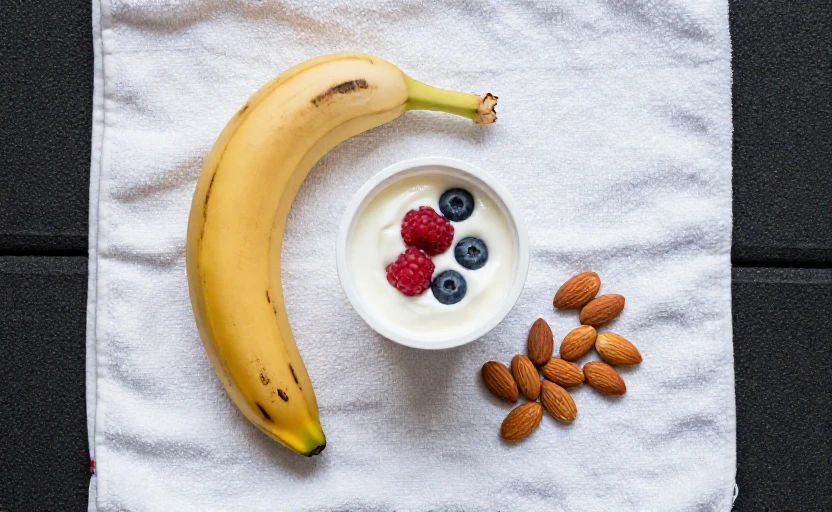
When you need something quick and portable, this duo is hard to beat. The banana provides fast-acting, easily digestible carbohydrates and potassium, an electrolyte crucial for nerve and muscle function. The almonds contribute a modest amount of protein, healthy fats, and magnesium—another mineral involved in muscle contraction and energy production. Just a small handful (about 10-12 almonds) is sufficient.
Keep your pre-workout snack simple and familiar. Your first strength session is not the time to experiment with a new spicy dish or an unusually large portion.
4. Whole-grain toast with nut butter
This is a no-fuss, satisfying option. Whole-grain toast delivers complex carbs and fiber, while nut butter (like peanut, almond, or cashew butter) adds protein, healthy fats, and a bit of staying power. For a twist, top it with sliced banana or a drizzle of honey for an extra carbohydrate boost if you’re planning a particularly long or intense session.
5. Cottage cheese and pineapple
Cottage cheese is a protein powerhouse, rich in casein protein that’s released slowly. Pairing it with pineapple gives you the carbohydrates you need for energy, and the fruit’s natural enzymes may also aid in digestion and reduce inflammation. It’s a refreshing, high-protein choice that can be eaten 60-90 minutes before you head to the gym.
6. A hard-boiled egg and a piece of fruit
Sometimes simplicity wins. A hard-boiled egg provides complete protein and essential amino acids in a compact form. Pair it with an apple, pear, or a handful of grapes for the necessary carbohydrates. This snack is perfectly balanced, requires almost no preparation, and is gentle on the stomach for most people.
7. A smoothie
A smoothie is a great way to hydrate and fuel simultaneously. You can easily customize the ratios. A good base formula includes: a liquid (like water, milk, or a milk alternative), a serving of fruit (banana, berries, mango) for carbs, a protein source (Greek yogurt, protein powder, or a scoop of nut butter), and even a handful of spinach for extra nutrients. The key is to keep it relatively light—think of it as a snack, not a meal-replacement—so it digests easily.
What about hydration?
Food is only half of the equation. Proper hydration is critical for strength, coordination, and preventing fatigue. Water supports every metabolic function and helps lubricate your joints. Begin hydrating consistently throughout the day, not just right before your workout. A good rule of thumb is to drink about 16–20 ounces of water 2–3 hours before exercising, and another 8 ounces about 20–30 minutes prior.
Foods to approach with caution before lifting
Just as some foods fuel you well, others might hinder your performance. It’s generally wise to avoid large, high-fat meals (like fried foods or heavy cheese dishes) and excessive fiber right before a workout, as they can cause gastrointestinal discomfort. Very sugary snacks or drinks might give you a quick rush but lead to an energy crash mid-workout. And of course, listen to your body—if you know dairy or legumes make you feel bloated, avoid them in the immediate pre-workout window.
The journey into strength training is a practice in listening to and learning about your body. The food you choose is a fundamental part of that conversation. By starting with these whole, nutrient-dense options, you’re giving yourself the best possible foundation to build not just muscle, but confidence and consistency in your new routine.