You’ve just finished a solid strength session. Your muscles are humming, and you know you’ve challenged them. What you do next—specifically, what you put on your plate—can make a significant difference in how well you recover, adapt, and come back stronger. Nutrition isn’t just fuel for the workout; it’s the essential building material for the repair process that follows.
Think of muscle recovery as a two-part project. First, you need to replenish the energy stores you’ve depleted. Second, and just as crucial, you need to provide the raw materials—amino acids from protein—to repair the microscopic tears in muscle fibers caused by lifting. This repair is what ultimately leads to muscle growth and increased strength. The right foods can support inflammation management, reduce soreness, and rehydrate you effectively.
What makes a food good for recovery?
Effective recovery foods typically check a few key boxes. They offer a quality source of protein to supply amino acids. They provide carbohydrates to restore glycogen, the primary energy source in your muscles. Many also contain anti-inflammatory compounds or specific nutrients that aid the repair process. Timing matters, too. While there’s a flexible window, consuming a mix of protein and carbs within a couple of hours after your workout can optimally kickstart recovery.
Top foods to support your muscles
Instead of a rigid list, consider these foods as reliable staples to rotate into your post-training meals. Variety ensures a broader range of nutrients.
Eggs
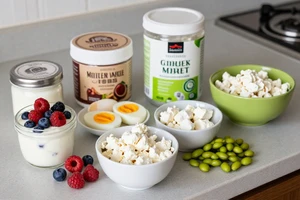
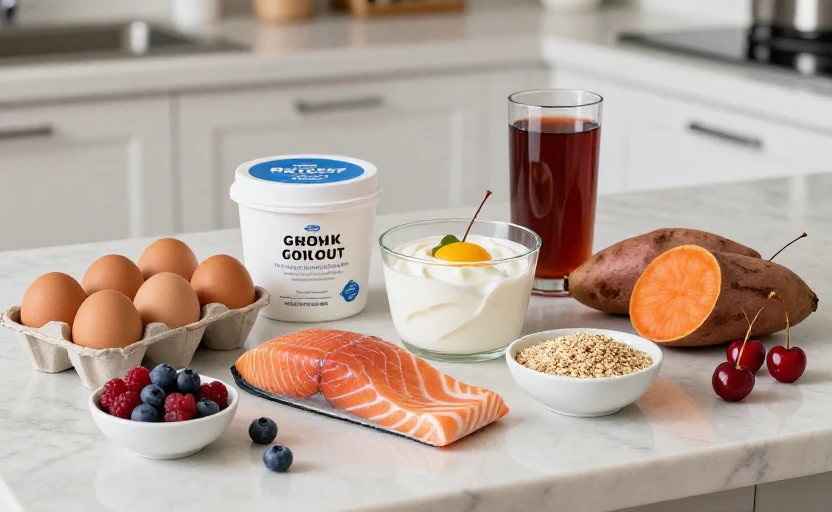
A classic for good reason. Eggs are a complete protein, meaning they contain all nine essential amino acids your body can’t make on its own. The leucine in eggs is particularly potent for signaling muscle protein synthesis. Don’t skip the yolk—it’s packed with vitamins D and B12, along with choline, which supports overall muscle function.
Greek yogurt or cottage cheese
These dairy options deliver a powerful one-two punch: high-quality casein protein and carbohydrates. Casein is digested slowly, providing a steady trickle of amino acids to your muscles over several hours. Pair plain Greek yogurt with some berries for antioxidants and extra carbs, or enjoy cottage cheese as a savory snack with cucumber.
For a quick post-workout option, plain Greek yogurt requires no preparation and offers a nearly perfect protein-to-carb ratio.
Salmon or other fatty fish
Salmon is a recovery powerhouse. Beyond being an excellent source of protein, it’s rich in omega-3 fatty acids EPA and DHA. These fats have well-studied anti-inflammatory properties, which may help manage the inflammation that follows intense exercise and potentially reduce muscle soreness. Sardines and mackerel are great, more affordable alternatives.
Chicken breast with a sweet potato
This combination is a staple for a reason. Lean chicken breast provides a dense, versatile source of protein with minimal fat. Pairing it with a complex carbohydrate like a sweet potato replenishes glycogen stores efficiently. Sweet potatoes also offer beta-carotene and vitamin C, both antioxidants that support the body’s stress response after a workout.
Quinoa
For a plant-based recovery star, quinoa stands out. It’s one of the few plant foods that is a complete protein, and it’s also a complex carbohydrate. This makes it an ideal single-bowl option for vegetarians and vegans, providing both the building blocks and the energy for repair. Use it as a base for bowls with beans and vegetables.
Tart cherry juice
While not a whole food, tart cherry juice has compelling research behind it for recovery. Its high concentration of antioxidants and anti-inflammatory compounds has been shown in studies to accelerate strength recovery and reduce muscle pain after strenuous exercise. Consider a small glass (4-8 ounces) after an especially grueling session.
Water and electrolytes
It’s easy to overlook, but hydration is a fundamental part of recovery. Water transports nutrients to your cells and helps flush out metabolic waste. If your session was long or sweaty, replenishing electrolytes like sodium and potassium is key. This doesn’t necessarily mean a sports drink—foods like bananas, spinach, and even a pinch of salt on your post-workout meal can help restore balance.
Building your recovery meal
You don’t need to eat all these foods at once. The goal is to create a balanced plate. A simple framework is to combine a palm-sized portion of protein with a fist-sized portion of complex carbohydrates and a generous serving of colorful vegetables. For example: grilled salmon (protein), quinoa (carb/protein), and steamed broccoli (fiber, nutrients). Or, scrambled eggs (protein) on whole-grain toast (carb) with a side of avocado (healthy fats).
What to limit after a workout
While focusing on what to include is more helpful, it’s wise to go easy on foods that can promote inflammation or offer empty calories immediately after training. This includes heavily processed snacks, sugary drinks, and excessive alcohol. These can slow down the repair process and hinder rehydration.
Ultimately, consistency in your overall diet matters more than any single “superfood.” By regularly incorporating these nutrient-dense options after your strength sessions, you’re giving your body the concrete tools it needs to rebuild, leading to better recovery, less fatigue, and more progress over time.