
Vaginal dryness is one of those symptoms that can feel deeply personal and isolating. It often shows up during perimenopause and menopause, when estrogen levels begin their natural decline. But this drop in estrogen doesn't just affect hot flashes or sleep — it also impacts the tissues of the vaginal wall, which rely on the hormone to stay lubricated, elastic, and healthy.
While no food is a medical treatment or a replacement for prescribed therapies like topical estrogen or vaginal moisturizers, certain foods contain plant compounds and nutrients that can gently support the body's own estrogen production or mimic estrogen's effects in a very mild way. These are not quick fixes, but they can be meaningful additions to a well-rounded diet — especially when paired with good hydration and healthy fats.
Here are seven foods that research and clinical experience suggest may help support estrogen levels and, in turn, ease vaginal dryness.
1. Flaxseeds
Flaxseeds are one of the richest dietary sources of lignans, a type of phytoestrogen. Phytoestrogens are plant compounds that can bind to estrogen receptors in the body and produce a weak estrogen-like effect. For some women, regularly eating ground flaxseeds may help with mild hormonal shifts by offering the body a gentle, plant-based estrogen signal. The key is to grind them before using, because whole flaxseeds tend to pass through undigested. Try sprinkling a tablespoon on oatmeal, yogurt, or salads. Flaxseeds also deliver omega-3 fatty acids and fiber, both of which support overall hormonal health.
2. Soy-Based Foods (Tofu, Tempeh, Edamame)
Soybeans contain isoflavones — another well-studied class of phytoestrogens. Unlike some phytoestrogens that have a very weak effect, soy isoflavones have been shown in some clinical trials to moderately improve vaginal health markers, including moisture and pH balance, in postmenopausal women. The evidence is not overwhelming, but it's consistent enough that many gynecologists mention it. “Patients often ask if soy is safe,” says Dr. Lila Emerson, a menopause specialist. “My answer is yes — whole soy foods, not supplements — are part of a healthy diet that can be supportive for some women.” Choose fermented soy like tempeh for easier digestion, and stick to one or two servings of whole soy foods per day.
3. Sesame Seeds
Sesame seeds contain lignans similar to those found in flax, as well as a compound called sesamin that may help support estrogen metabolism. While less research has been done specifically on sesame and vaginal dryness, traditional medicine systems have long recognized sesame as a warming, nourishing food for reproductive health. Tahini, a paste made from crushed sesame seeds, is an easy way to add them to your diet — use it in dressings, sauces, or spread on toast. Keep in mind that sesame seeds are also high in zinc, which is involved in hormone production and tissue repair.
4. Cruciferous Vegetables (Broccoli, Cauliflower, Kale)
These vegetables do not contain phytoestrogens, but they support the liver's ability to process and clear out old or used hormones efficiently. When the liver breaks down estrogen after it has been used by the body, certain metabolites can be either helpful or inflammatory. A class of compounds in cruciferous veggies — particularly indole-3-carbinol (I3C) — helps shift estrogen metabolism toward the more protective, less inflammatory pathway. This “good” pathway supports the balance of estrogen in the body, which influences how much active estrogen is available for vaginal tissues. A 2021 review in Nutrients noted that women with higher cruciferous vegetable intake tend to have more favorable estrogen metabolite ratios.
5. Fatty Fish (Salmon, Sardines, Mackerel)
Fatty fish provide two main benefits: omega-3 fatty acids and vitamin D. Omega-3s help regulate inflammation, and chronic low-grade inflammation can make vaginal tissues less responsive to whatever estrogen the body still produces. In clinical studies of postmenopausal women, those with higher omega-3 levels reported fewer cases of vaginal dryness and less discomfort during intercourse. Vitamin D also appears to play a role: a 2020 study in Menopause found that women with sufficient vitamin D had better vaginal health scores, including higher moisture levels. Aim for two servings of fatty fish per week.
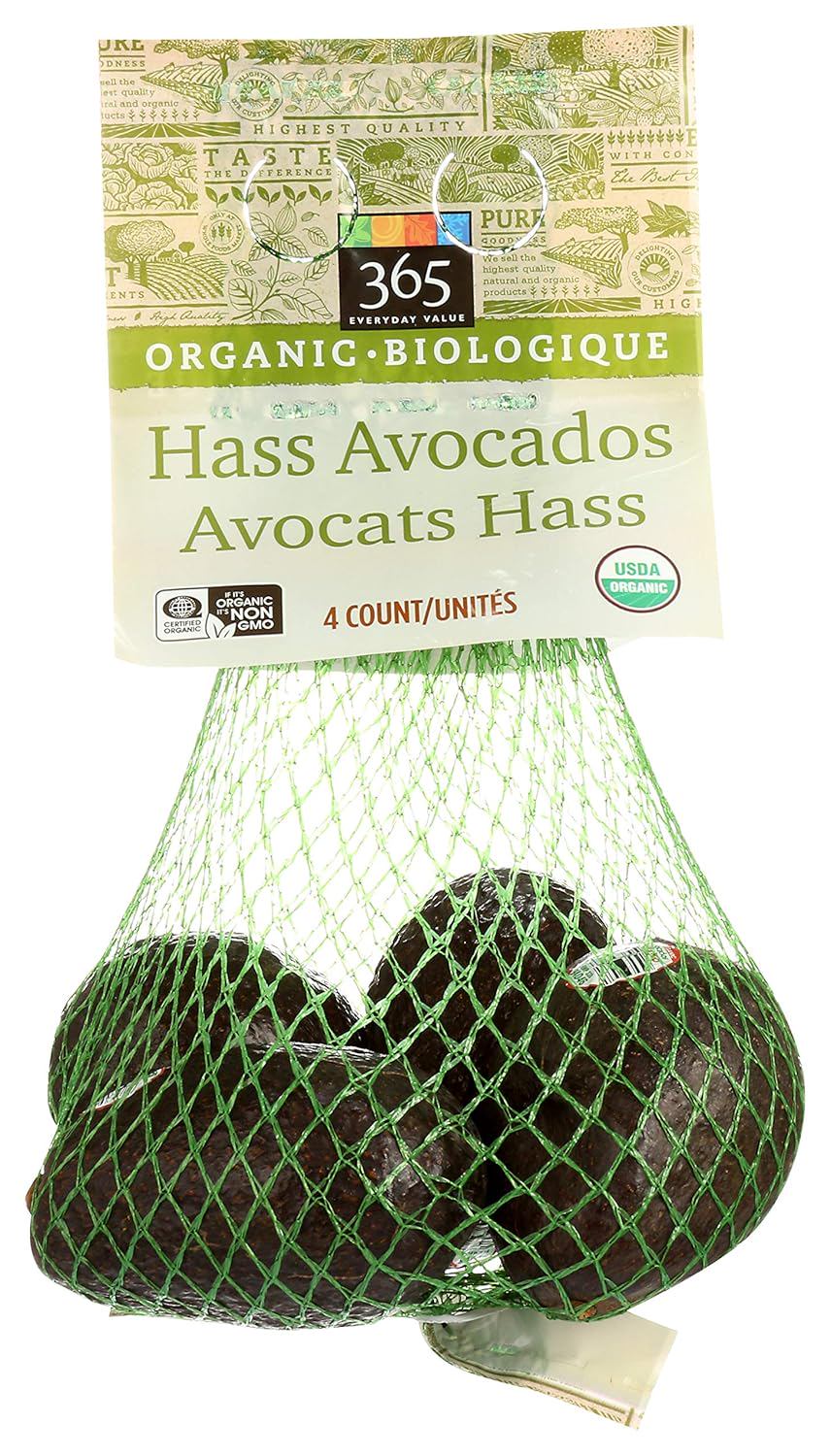
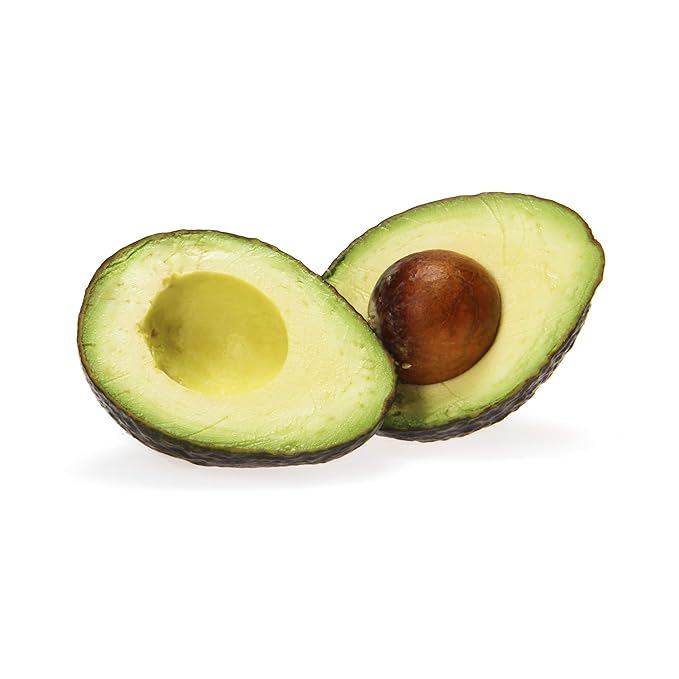
6. Avocados
Avocados are rich in healthy monounsaturated fats and vitamin E — both of which help support the integrity of cell membranes. For vaginal tissues, strong cell membranes mean better hydration and elasticity at a cellular level. Vitamin E also acts as a mild antioxidant that may reduce oxidative stress on the vagina. While avocados haven't been studied directly for their effect on vaginal dryness, they are part of what experts call an estrogen-friendly diet because of their nutrient profile. “Women with vaginal dryness are often advised to include more healthy fats. Avocado is a great choice because it also contains vitamin B6, which supports overall hormone regulation,” notes Dr. Emerson.
7. Oats and Whole Grains
Steel-cut oats, brown rice, quinoa, and barley deliver B vitamins and magnesium, both of which play roles in estrogen synthesis and metabolism. Magnesium also helps relax the nervous system — relevant because stress hormones like cortisol can disrupt the balance of other hormones, including estrogen. Oats in particular contain avenanthramides, unique antioxidants that support circulation. Better blood flow to the pelvic region is important for healthy vaginal tissue function and lubrication. Consider starting your day with a bowl of oatmeal topped with ground flaxseeds for a combined benefit.
A practical note: Food supports your body's natural estrogen balance over weeks and months. It does not work instantly. If vaginal dryness is significantly affecting your daily comfort or intimacy, talk to your healthcare provider about prescription options (such as low-dose vaginal estrogen) or water-based lubricants that can be used alongside dietary changes.
Adding these foods doesn't mean you need to follow a perfectly strict diet. Small, consistent additions matter more than occasional large amounts. A handful of walnuts, a tablespoon of ground flax on your cereal, a few servings of broccoli throughout the week — these habits together can provide a foundation of nutritional support for vaginal health.