You pushed hard in your workout, and now you feel it. That familiar, deep ache in your muscles—delayed onset muscle soreness, or DOMS—is a sign of adaptation, but it can also make moving through your day a challenge. While rest and gentle movement are foundational, what you put on your plate can significantly influence your recovery experience. Nutritionists point to specific foods and drinks that provide the building blocks your body needs to repair tissue and dampen inflammation, helping you bounce back with less discomfort.
This isn't about magic bullets or restrictive diets. It’s about strategic, whole-food choices that support the natural recovery process. The following options, backed by nutritional science, are worth incorporating into your meals, especially after a demanding strength session.
How food can soothe sore muscles
Muscle soreness stems from microscopic tears in muscle fibers and the subsequent inflammatory response. Nutrition aids recovery in three key ways: reducing inflammation, providing raw materials for repair, and combating oxidative stress caused by intense exercise. The right foods deliver antioxidants, anti-inflammatory compounds, high-quality protein, and specific micronutrients that work together to help your body mend itself more efficiently.
Foods and drinks to reach for
Think of these not as isolated remedies, but as valuable components of a balanced post-workout diet.
Fatty fish like salmon and mackerel
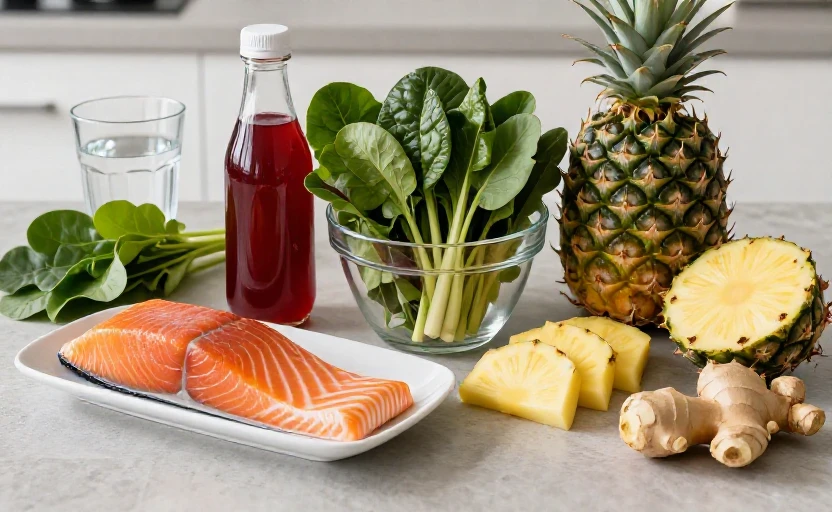
These are powerhouse sources of omega-3 fatty acids, specifically EPA and DHA. Nutritionists emphasize that these fats are potent anti-inflammatory agents. By helping to modulate the body's inflammatory response to muscle damage, they can potentially lessen the severity and duration of soreness. Fatty fish also provides complete protein for muscle repair.
Aim for two servings of fatty fish per week to support overall recovery and joint health.
Tart cherry juice
This deep-red juice has been studied extensively for its recovery benefits. It's rich in anthocyanins and other polyphenols, compounds with strong antioxidant and anti-inflammatory properties. Some research suggests that drinking tart cherry juice around workout times may help reduce muscle strength loss and ease soreness. Its natural effects are often compared to those of over-the-counter anti-inflammatories, but derived from food.
Leafy green vegetables (spinach, kale, Swiss chard)
Dark leafy greens are nutrient-dense recovery tools. They are excellent sources of magnesium, a mineral crucial for muscle function and relaxation that is often depleted through sweat. They also provide vitamin C, which is necessary for collagen formation—a key component of muscle tissue and connective fibers—and vitamin K, which plays a role in bone health and inflammation regulation.
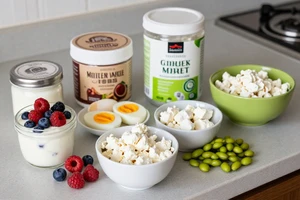
Greek yogurt or cottage cheese
These dairy options offer a double benefit: high-quality, slow-digesting casein protein and probiotics. The protein provides a steady stream of amino acids for muscle repair over several hours. Meanwhile, emerging research points to a gut-muscle axis, where a healthy gut microbiome may influence systemic inflammation and recovery. The probiotics in these fermented foods support gut health.
Pineapple
This tropical fruit contains an enzyme called bromelain. Nutritionists note that bromelain has recognized anti-inflammatory and analgesic properties. It may help break down proteins involved in the inflammatory response, thereby reducing swelling and tenderness in sore muscles. Fresh pineapple is also a good source of vitamin C and manganese.
Ginger
Fresh or powdered ginger contains bioactive compounds like gingerol. These compounds have been shown to have anti-inflammatory and analgesic effects similar to some non-steroidal anti-inflammatory drugs (NSAIDs), but through a different pathway. Adding ginger to teas, stir-fries, or smoothies can be a warming way to support recovery.
Water and electrolyte-rich beverages
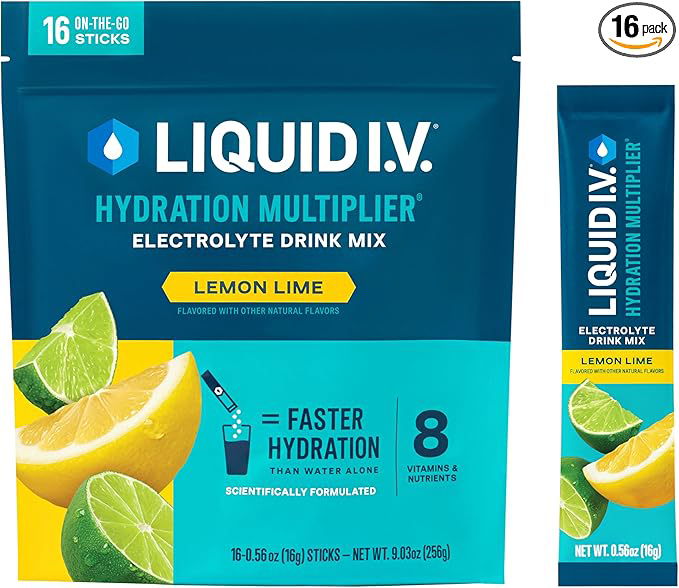
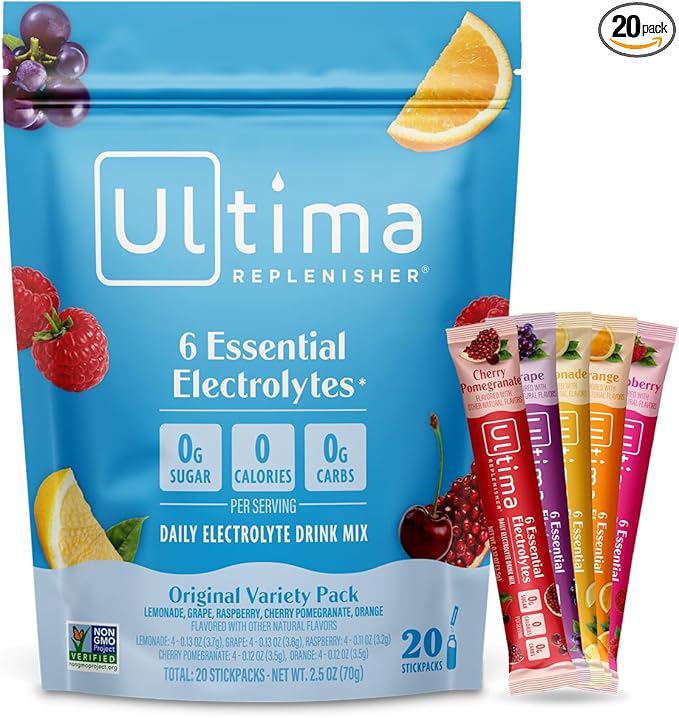
Hydration is the most fundamental, yet often overlooked, recovery tool. Even mild dehydration can exacerbate feelings of fatigue and muscle cramping, making soreness feel worse. Fluids help transport nutrients to muscles and flush out metabolic byproducts. After a sweaty workout, beverages with electrolytes like sodium and potassium (such as coconut water or an electrolyte mix in water) can help restore balance more effectively than plain water alone.
Building a recovery-friendly plate
Instead of focusing on one item, combine them for a synergistic effect. A post-workout meal might include grilled salmon (omega-3s and protein) with a side of sautéed spinach and kale (magnesium, vitamins) and a slice of pineapple (bromelain, vitamin C). Or, blend a smoothie with Greek yogurt (protein, probiotics), a handful of spinach, frozen tart cherries, and fresh ginger.
Consistency matters more than any single superfood. Regularly including these anti-inflammatory, nutrient-rich foods in your overall diet creates an internal environment that’s primed for efficient recovery, workout after workout.
Listen to your body. While nutrition can ease soreness, persistent or sharp pain is different and warrants professional attention. For the general ache of a good effort, however, your kitchen can be a powerful ally in feeling better, faster.