You know the drill: it's 6:30 PM, you're tired, the fridge is full of healthy ingredients, and yet you end up ordering takeout. Cooking anti-inflammatory meals during the week can feel like a project for Sunday afternoon, not a rushed Tuesday night. But the goal isn't perfection—it's progress. The difference between a meal that supports your body and one that works against it often comes down to a few small missteps.
Below are seven common mistakes people make when trying to cook anti-inflammatory dinners on a busy schedule. Fix these, and you'll save time, reduce stress, and actually enjoy what's on your plate.
1. Starting with the wrong oils
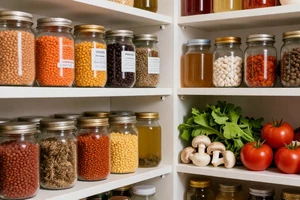
Not all cooking oils are created equal when it comes to inflammation. Many standard vegetable oils—like soybean, corn, and sunflower—are high in omega-6 fatty acids, which can promote inflammation when consumed in excess. Instead, reach for extra-virgin olive oil, avocado oil, or coconut oil. These are rich in monounsaturated fats and antioxidants that help cool inflammation. Make the switch at the pantry level so you're not hunting for the right bottle at 7 PM.
2. Overcooking vegetables at high heat
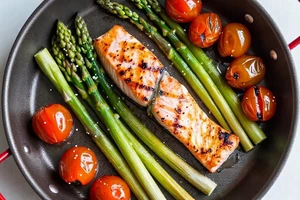
Vegetables are the stars of an anti-inflammatory plate, but how you cook them matters. Blistering broccoli at a searing heat or charring bell peppers on a cast-iron skillet can create advanced glycation end products (AGEs), compounds that trigger oxidative stress and inflammation. Instead, steam, sauté gently, or roast at moderate temperatures (around 375°F). If you're in a hurry, a quick steam in the microwave with a splash of water preserves the nutrients and keeps the anti-inflammatory benefits intact.
3. Reaching for the wrong seasonings
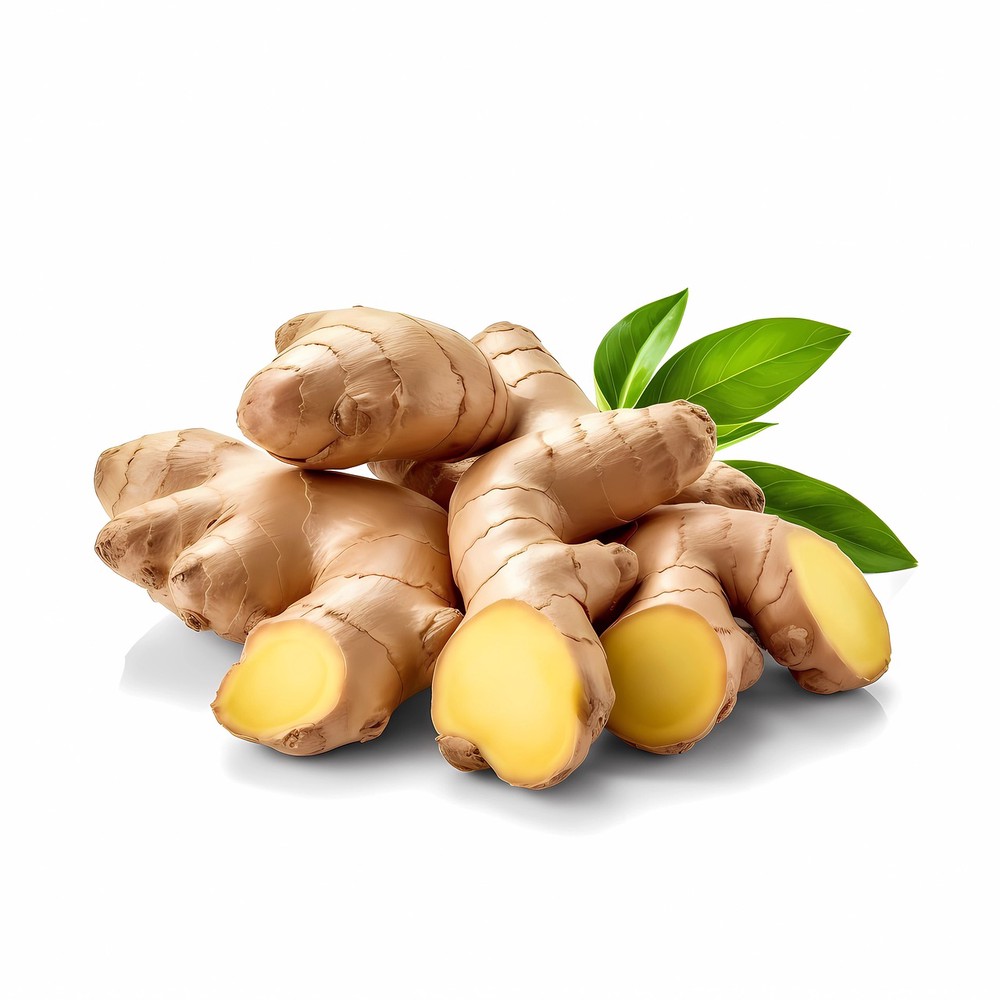
Salt shaker in hand? That pre-mixed seasoning blend in your cupboard might contain hidden sugar, MSG, or artificial additives that can provoke an inflammatory response. Build a simple anti-inflammatory spice drawer: turmeric (always pair with black pepper for absorption), ginger, cinnamon, garlic powder, and smoked paprika. A pinch of these can transform a simple bowl of beans and greens without piling on the pro-inflammatory compounds.
4. Loading up on processed plant proteins
Plant-based doesn't automatically mean anti-inflammatory. Many packaged veggie burgers, meat substitutes, and protein powders are highly processed, filled with seed oils, soy protein isolates, and preservatives. On a rushed weeknight, it's tempting to toss a frozen patty in a pan, but your body may not thank you. Instead, keep cooked lentils, canned chickpeas (rinsed), or pre-cooked quinoa in the fridge. These whole foods offer fiber and polyphenols without the inflammatory baggage.
5. Skipping the acid (lemon, vinegar, citrus)
Most people focus on what to add (kale, salmon, berries) and forget what balances a dish: acidity. A squeeze of lemon, a splash of apple cider vinegar, or some lime juice does more than brighten flavor. Acids can lower the glycemic response of a meal, helping to reduce post-meal inflammation. They also make nutrients like iron more bioavailable. Always finish your plate with a hit of acid—it takes seconds and changes everything.
6. Using the same cooking method every time
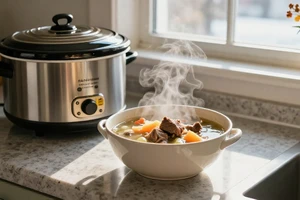
Variety isn't just about taste—it's about how your body processes foods. Grilling at high heat can create heterocyclic amines (HCAs) and polycyclic aromatic hydrocarbons (PAHs), which are linked to inflammation. So can deep-frying. On a busy night, it's easy to default to the same pan-seared chicken or stir-fry day after day. Rotate methods: poach fish while you chop veggies, steam dumplings, or use a slow cooker that you loaded in the morning. Gentle, moisture-rich cooking methods are your allies.
7. Eating in a rush
This is the hidden mistake no one talks about. Even if the meal itself is anti-inflammatory, wolfing it down while standing at the counter or scrolling through your phone can spike cortisol (your stress hormone) and blunt digestion, which in turn promotes systemic inflammation. The ritual of eating matters as much as the ingredients. Sit down. Take at least ten minutes. Chew slowly. That one change—eating mindfully—amplifies all the work you did to build a healthy plate.
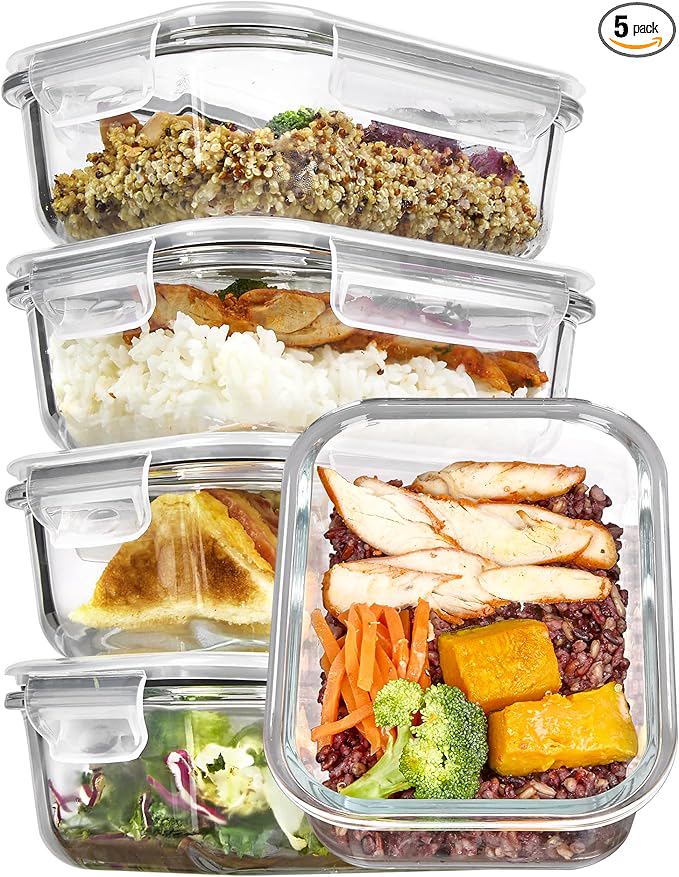
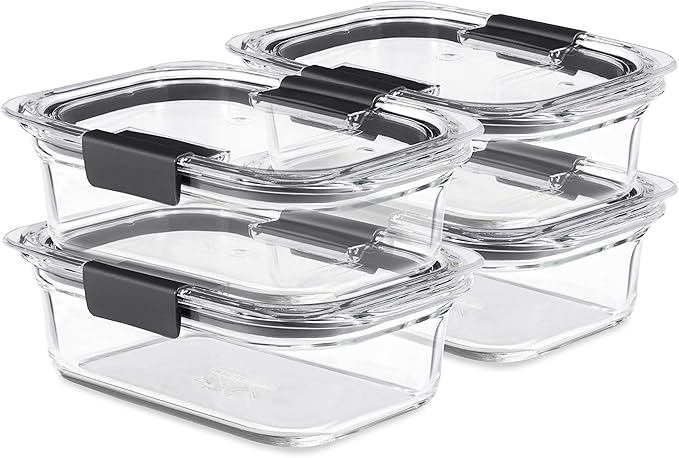
A shortcut that works: prep your anti-inflammatory components on Sunday. Cook a batch of quinoa, roast a tray of sweet potatoes and broccoli, make a turmeric-tahini dressing. On weeknights, just assemble. The mistakes happen when you're scrambling—plan ahead, and you'll dodge most of them.
Cooking anti-inflammatory meals on a weeknight doesn't require a chef's training or a four-hour window. It requires a few smart swaps and the awareness that both your food and your mindset affect inflammation. Start with one correction this week. Add another next week. Small changes add up to a calmer, healthier kitchen—and a calmer, healthier you.



![[10-Pack] Glass Meal Prep Containers with Lids, MCIRCO Food Storage Containers with Snap Locking Lids, Airtight Lunch Containers, Microwave, Oven, Freezer and Dishwasher](https://www.glowtheorylab.com/uploads/ad202604/141a61456fdd8860.webp)