You're trying to eat more vegetables, you're short on time, and you throw together a vegetarian dinner in under 20 minutes. It feels virtuous. But if that quick meal leaves you bloated, gassy, or uncomfortably full, your gut is trying to tell you something. Speed-cooking plant-based food often comes with a few hidden pitfalls that can irritate the digestive system rather than soothe it.
Here are seven common mistakes that make quick vegetarian dinners less gut-friendly—and how to fix them without adding much time to your prep.
1. Skipping the soak or rinse for beans and lentils
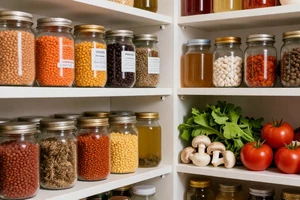
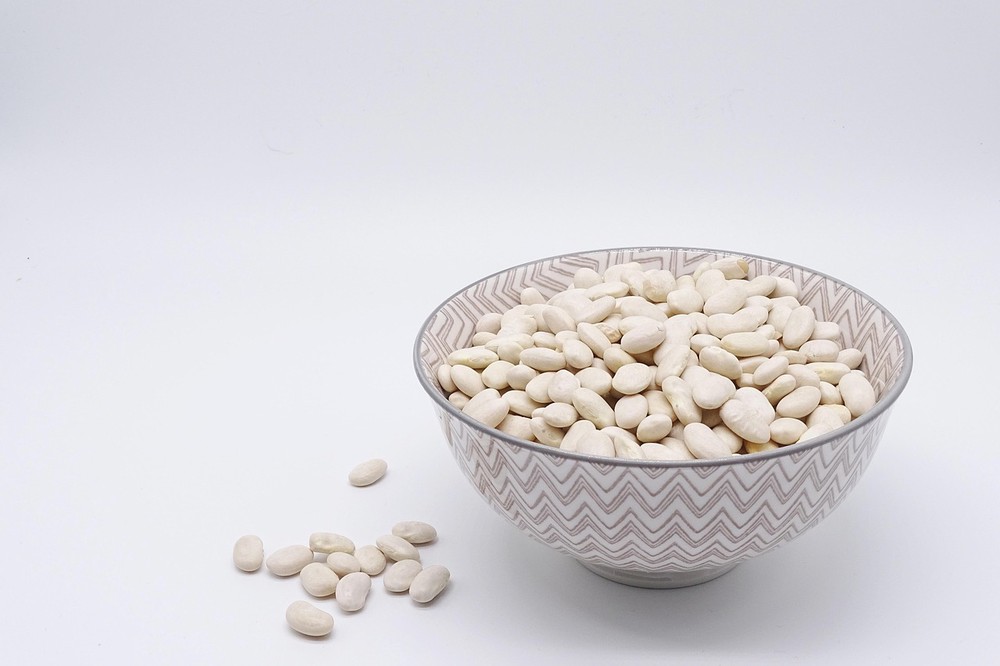
Canned beans and lentils are lifesavers for fast dinners. But opening a can and tipping the contents straight into the pan—liquid and all—is a recipe for digestive distress. The liquid in canned legumes contains oligosaccharides, complex sugars that humans struggle to break down. When they reach the large intestine undigested, bacteria ferment them, producing gas and bloating.
The fix: Drain and rinse canned beans and lentils thoroughly under cold water for at least 30 seconds. This simple step washes away a significant portion of those hard-to-digest compounds. If you have time, a quick soak of dried legumes (even an hour) with a discard of the water can also help.
2. Overloading on raw cruciferous vegetables
Broccoli, cauliflower, cabbage, and kale are nutritional powerhouses. They're also high in raffinose, a complex sugar, and sulfur-containing compounds called glucosinolates. In a quick dinner, it's tempting to just chop them up and toss them into a salad or stir-fry raw. For sensitive guts, this can cause gas, bloating, and even abdominal pain.
The fix: Lightly steam, sauté, or blanch these vegetables before eating them. Even 3–5 minutes of gentle heat begins to break down the troublesome fibers and sugars, making them easier to digest while retaining most of their nutrients. A quick stir-fry in a little olive oil does the job perfectly.
3. Using too much onion and garlic (especially raw)
Onions and garlic are the backbone of flavor in countless vegetarian dishes. They're also rich in fructans, a type of fermentable fiber that can be a major trigger for people with irritable bowel syndrome (IBS) or a sensitive gut. When you're in a rush, it's easy to go heavy on them—or to use them raw in salads or quick sauces—and that can lead to significant gas and bloating.
The fix: Use the green tops of spring onions or leeks instead of the white bulbs; they contain fewer fructans. If you do use onion and garlic, cook them well. Sautéing softens their fibers and reduces their fermentable load. For a gentler flavor, try a splash of garlic-infused oil instead of fresh cloves.
4. Ignoring portion sizes of high-fiber foods
Fiber is fantastic for gut health. But more isn't always better, especially when you're not used to it. A quick vegetarian dinner might pile on chickpeas, lentils, black beans, nuts, seeds, and whole grains all in one bowl. That's a huge fiber load for your gut to handle in one sitting, particularly if your system is not accustomed to it.
The fix: Build your fiber intake gradually. In a single meal, focus on one or two high-fiber ingredients rather than five. If you're adding beans, go lighter on the whole grains and skip the handful of nuts on top. Your gut microbiome will thank you for the moderation.
5. Choosing heavy, processed meat substitutes
Not all vegetarian convenience foods are created equal. Many store-bought veggie burgers, sausages, and nuggets are made with highly processed soy protein, gums, starches, and additives—ingredients that can be hard to digest. Some contain carrageenan or other thickeners that are known to cause digestive inflammation in sensitive individuals.
The fix: Read the label. Look for products with a short list of whole-food ingredients. Even better, build quick dinners around whole plant proteins—tofu, tempeh, eggs (if you eat them), or legumes—rather than relying on processed substitutes. Tempeh, being fermented, is particularly gentle on the gut.
6. Forgetting to include a source of healthy fat
A fat-free vegetarian dinner might seem lighter, but your gut needs some fat to absorb fat-soluble vitamins (A, D, E, and K) and to keep things moving smoothly. Without it, you can end up with a meal that feels unsatisfying and may even slow digestion, leading to constipation or sluggishness.
The fix: Add a small amount of healthy fat to each meal. A drizzle of extra-virgin olive oil, a slice of avocado, a sprinkle of seeds, or a modest spoonful of nut butter can make all the difference. It doesn't take much—a teaspoon or two per serving is enough to aid absorption and improve digestion.
7. Drinking cold water or iced beverages with the meal
This one might surprise you. In many traditional systems of medicine—Ayurveda included—drinking cold water with a meal is thought to weaken digestive fire. While modern science doesn't fully back that claim, there is evidence that cold beverages can slow gastric emptying and cause blood vessels in the stomach to constrict, which may impede digestion for some people.
The fix: Try sipping room-temperature or warm water with your vegetarian dinner. Herbal teas like ginger, fennel, or peppermint can also be excellent gut-friendly companions. Save the iced drink for between meals.
Make your quick vegetarian dinners work for your gut
Speedy plant-based meals don't have to be a gamble with your digestion. Rinsing your beans, cooking your veggies lightly, being mindful of portion sizes, and choosing whole foods over processed ones are small adjustments that pay off. Your gut works hard for you—a little thoughtful prep can help it work better.