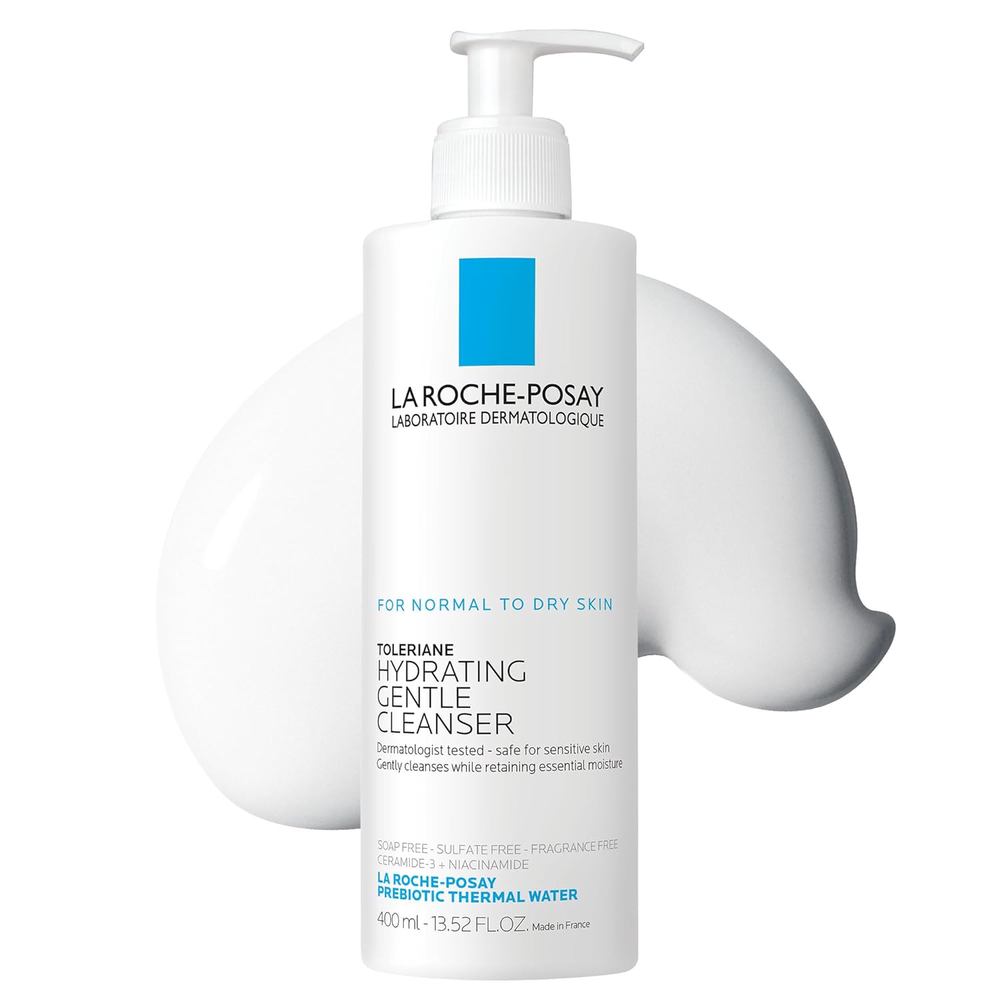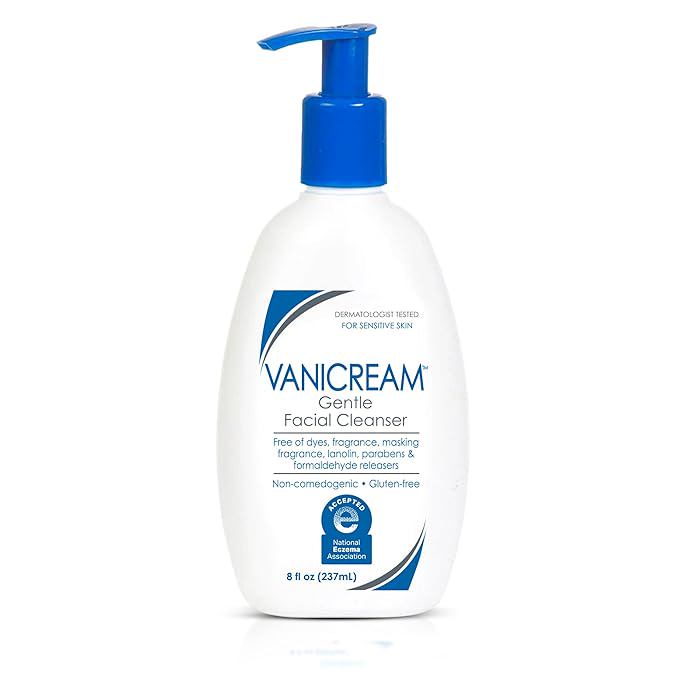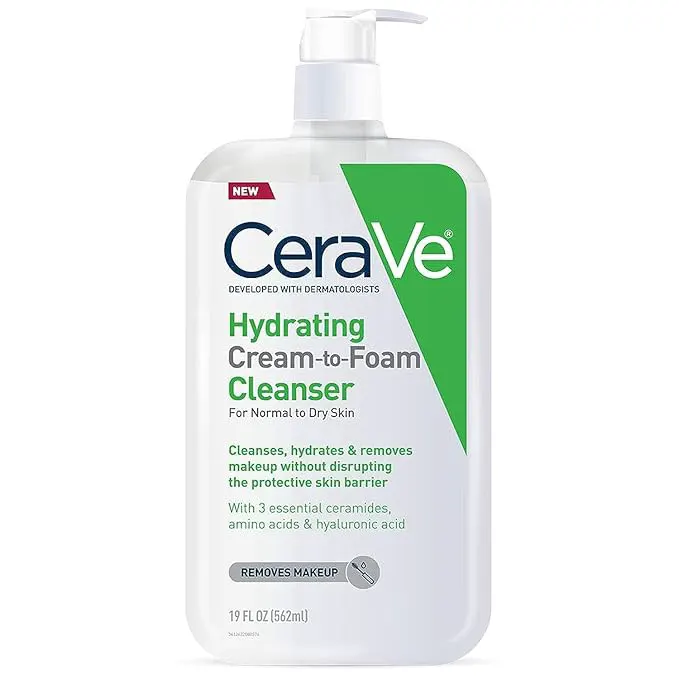

Choosing a cleanser often feels like a simple task, but for sensitive skin, it’s one of the most consequential decisions in your routine. The wrong formula doesn’t just fail to clean—it can quietly undermine your skin’s health, leading to a cycle of irritation that’s hard to break. Your skin communicates its needs clearly, if you know what to look for. The signs aren’t always dramatic redness or stinging; sometimes, they’re subtler shifts that signal your current cleanser is tipping the balance from clean to compromised.
Recognizing these signals is the first step toward giving your skin the gentle, supportive care it deserves. It’s about moving from a product that strips and stresses to one that cleanses with respect for your skin’s delicate barrier.
What does “gentler” really mean for a cleanser?
Before we explore the signs, let’s define what makes a cleanser truly gentle. It’s not just about a “for sensitive skin” label. A gentler cleanser prioritizes maintaining your skin’s acid mantle—the slightly acidic, protective film on its surface. It cleanses effectively without dissolving essential lipids or disrupting the skin barrier. Formulas often avoid high concentrations of sulfates (like SLS or SLES), strong alcohols, and synthetic fragrances, which are common irritants. Instead, they might use milder surfactants, incorporate soothing ingredients like ceramides or oat extract, and have a pH level that’s skin-friendly, typically closer to 5.5.
Think of your cleanser as an introduction to your skincare routine. It should greet your skin kindly, not start an argument.
The 6 warning signs your current cleanser is too harsh
1. Your skin feels tight or “squeaky clean” after washing
This is one of the most common and misleading signs. That taut, ultra-clean feeling isn’t a sign of purity; it’s a sign of depletion. A harsh cleanser has stripped away not just dirt and oil, but also the natural moisturizing factors and oils that keep your skin supple and protected. Your skin should feel clean, soft, and comfortable—not like a stretched canvas.
2. You experience increased redness or visible irritation
Noticeable flushing, blotchiness, or a warm sensation immediately after cleansing is a direct protest from your skin. This inflammation is a response to aggressive surfactants or irritating ingredients. While some with rosacea or very reactive skin may flush with even water, consistent post-cleanse redness is a clear indicator your formula is too strong.
3. Your skin becomes oily more quickly than usual
It seems counterintuitive, but a cleanser that’s too harsh can actually make you oilier. When you strip the skin aggressively, it can go into a state of alarm, signaling your oil glands to produce more sebum to compensate for the perceived lack of moisture. This rebound oiliness can leave you feeling greasy by midday and contribute to clogged pores.
4. You notice more dryness, flaking, or rough patches
When the skin barrier is compromised by harsh cleansing, it loses water more easily (a process called transepidermal water loss). This leads to dryness. You might see fine flakes, especially around the nose and eyebrows, or feel patches of roughness. This compromised barrier also makes your skin more vulnerable to environmental stressors.
5. Your skin stings when applying other products
If your usually tolerated moisturizer or serum suddenly causes a stinging or burning sensation, your cleanser may be the culprit. By damaging the skin’s protective barrier, a harsh cleanser creates micro-abrasions and leaves nerve endings more exposed. Even beneficial, gentle products can then trigger a sting because they’re encountering vulnerable skin, not a healthy surface.
6. You’re seeing new small bumps or texture
Increased congestion—small, flesh-colored bumps (often called closed comedones) on the cheeks or forehead—can be a reaction to irritation. Inflammation from harsh cleansing can disrupt the normal shedding of skin cells, leading them to clump and clog pores. This isn’t typical acne; it’s irritation-induced texture.
Making the switch to a gentler cleanse
Transitioning to a gentler cleanser is a straightforward act of care. Start by using the new, gentle formula once a day (likely in the evening to remove sunscreen and makeup), and use just water or a micellar water in the morning. This allows your skin to adjust without shock. Pay attention to texture: cream, milky, or balm cleansers are often excellent for sensitive skin, as they cleanse with oils and emollients. Gel cleansers can be gentle too, but look for those specifically formulated for sensitivity.
Give your skin at least two to four weeks to recalibrate. During this time, keep the rest of your routine simple and soothing—a basic moisturizer and a mineral sunscreen are often enough. The goal is to support your skin barrier as it repairs itself.
Remember, cleansing should be a restorative pause, not an assault. When you find a formula that removes the day without removing your skin’s comfort, you’ve found a cornerstone of a happy, healthy complexion.