
You’ve committed to a skincare routine, stocked your shelf with products designed for oily skin, and followed the steps religiously. Yet, instead of the clear, balanced complexion you were promised, you’re facing a fresh wave of breakouts. It’s a frustrating and confusing experience. The hard truth is that sometimes, the very routine meant to rescue your skin can become the source of its distress.
Oily skin requires a careful balance. The goal is to manage excess sebum without stripping the skin’s barrier, which can trigger a rebound effect and more problems. If your skin seems to be getting worse, not better, it’s time to pause and listen to what it’s telling you. Here are the subtle and not-so-subtle signs that your oily skin routine needs a thoughtful reassessment.
Your Skin Feels Tight and Squeaky-Clean… Then Gets Oilier Faster
That ultra-clean, taut feeling after washing might seem like a victory, but it’s often a red flag. Harsh cleansers, especially those with sulfates or high concentrations of alcohol, can strip away your skin’s natural oils too aggressively. In response, your sebaceous glands can go into overdrive, producing even more oil to compensate for the perceived dryness.
If your skin feels uncomfortably tight or ‘squeaky’ within minutes of cleansing, your cleanser is likely too strong.
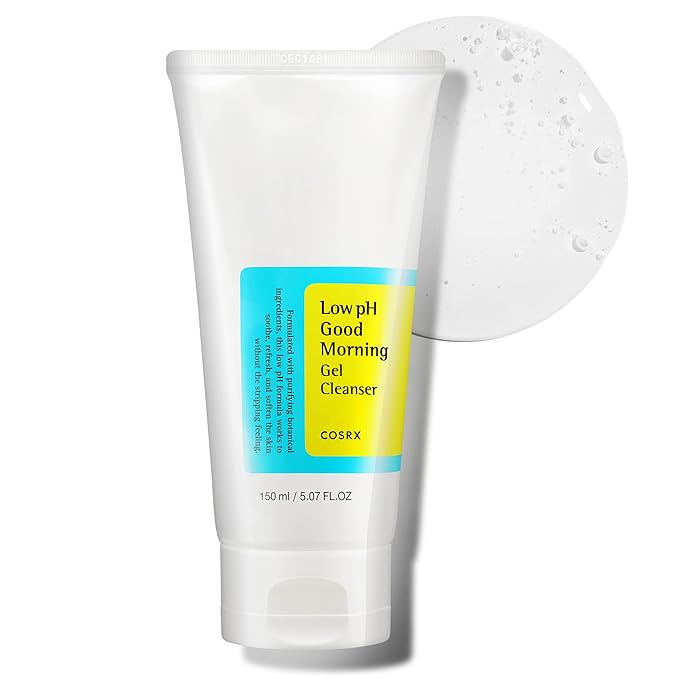
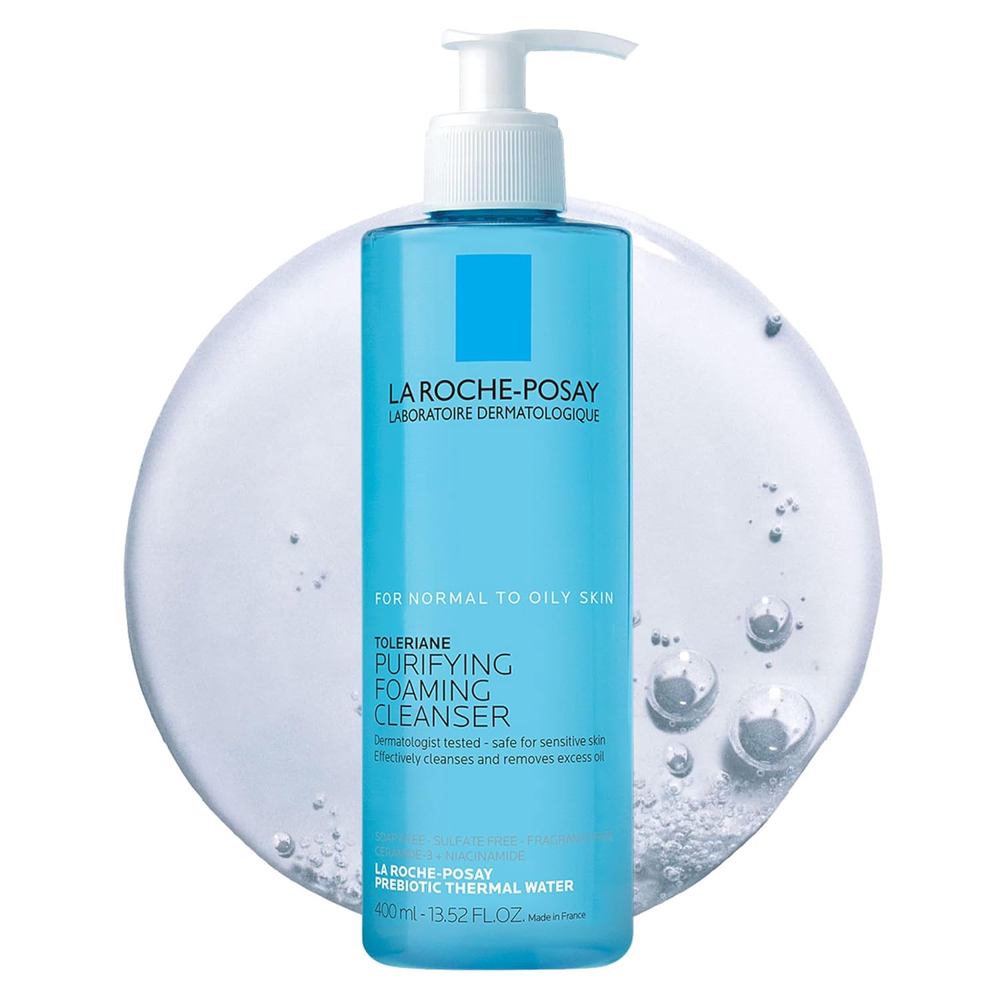
This creates a vicious cycle: you wash more to combat the new oil, which strips the skin further, prompting more oil production. Look for a gentle, gel or foaming cleanser labeled “non-comedogenic” and “oil-free” that cleanses without leaving your skin feeling parched.
You’re Experiencing More Redness, Flaking, or Rough Patches
Oily skin can still be dehydrated or sensitized. If you notice new areas of redness, dry flakiness amidst the oil, or a rough, sandpaper-like texture, your routine may be too harsh. Overusing physical scrubs, chemical exfoliants (like salicylic acid or glycolic acid), or astringent toners can compromise your skin barrier.
A damaged barrier can’t hold onto moisture effectively, leading to dehydration. It also becomes more vulnerable to irritants and bacteria, which can inflame existing breakouts and cause new ones. Scaling back on exfoliation to 2-3 times a week and incorporating a lightweight, barrier-supporting moisturizer can help restore equilibrium.
You’re Breaking Out in New Areas or Different Types of Blemishes
Pay attention to the map of your breakouts. If you typically get clogged pores on your T-zone but are now seeing inflamed, painful cysts along your jawline or cheeks, your products could be the culprit. This is especially true if you’ve introduced multiple new items at once.
Some ingredients, even those marketed for oily skin, can be comedogenic for certain individuals. Heavy occlusive agents, certain oils, or even overly rich moisturizers can clog pores. Similarly, if your blackheads seem to be multiplying or you’re seeing many small, flesh-colored bumps (closed comedones), it’s a sign of pore congestion often linked to product use.
Your Moisturizer Feels Like It’s Sitting on Top of Your Skin
Skipping moisturizer because you have oily skin is a common mistake. However, using the wrong one is just as problematic. If you apply your moisturizer and it feels like a greasy film that never truly absorbs, it’s not doing your skin any favors. This can trap oil and dead skin cells, leading to clogged pores.
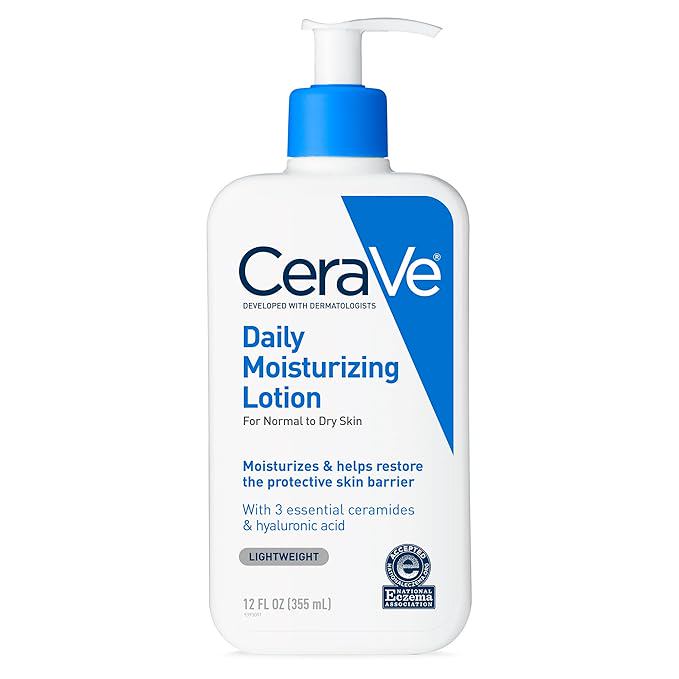
Oily skin needs hydration, but in a light, fluid form. Gel-creams, water-based gels, or oil-free lotions are designed to deliver moisture without adding a heavy, pore-clogging layer. They should absorb quickly, leaving a soft, matte, or natural finish, not a slick one.
You’re Using Multiple “Acne-Fighting” Products at Once
More is not always better. Layering a salicylic acid cleanser, a benzoyl peroxide treatment, and a retinol serum might seem like a powerful assault on oil and acne, but it’s a recipe for irritation. When the skin becomes inflamed and irritated, its barrier function weakens, making it more prone to breakouts and slower to heal.
Think of your routine as a gentle, consistent dialogue with your skin, not a daily battle.
It’s more effective to choose one or two active ingredients and use them consistently, allowing your skin to adapt. Introducing a “skin cycling” approach—alternating nights of actives with nights of recovery (just cleanse and moisturize)—can prevent over-exfoliation and give your skin time to repair.
Your Skin Has Lost Its Natural Glow and Looks Dull
Healthy oily skin often has a natural, healthy glow. If your complexion has taken on a dull, grayish, or ashy appearance, your routine might be suppressing your skin’s natural vitality. Over-stripping and constant mattefying can leave a layer of dead skin cells on the surface, blocking light reflection.
This dullness is a sign that your skin’s renewal process is out of sync. Incorporating a gentle chemical exfoliant (if you aren’t already overdoing it) or using a soft washcloth with your cleanser can help remove dead cells and reveal the brighter skin underneath. The goal is clarity, not a stripped, matte finish.
Re-evaluating your routine doesn’t mean throwing everything out. It often means simplifying: a gentle cleanser, a balanced treatment product, a lightweight moisturizer, and a daily sunscreen. Listen to your skin’s feedback—it’s the most reliable guide you have. When in doubt, consulting a dermatologist can help you cut through the noise and build a routine that truly works with your skin’s biology, not against it.