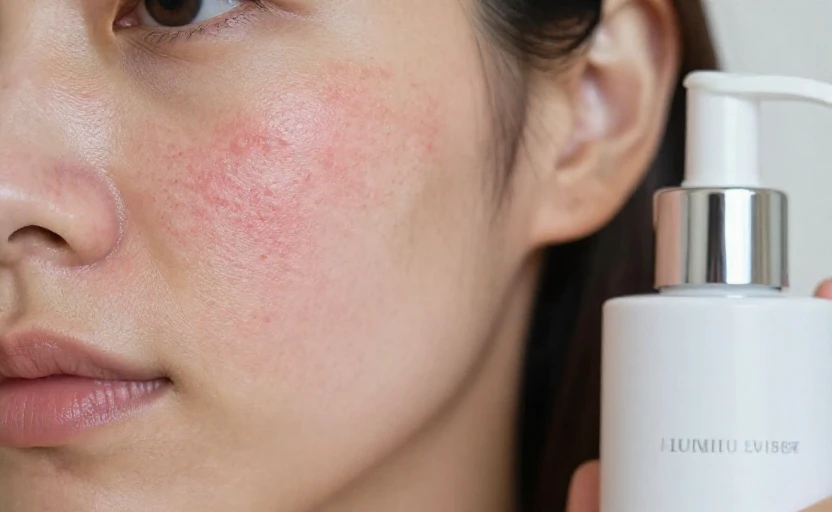
Dry skin is a common complaint, and for many, a simple moisturizer is the go-to solution. But what happens when the usual lotion or cream doesn’t seem to make a dent? Sometimes, persistent dryness is more than just a surface-level issue—it’s your skin’s way of signaling that something else might be going on. Recognizing these signs can help you address the root cause, not just the symptom.
Here are six warning signs that suggest your dry skin needs more than just a moisturizer.
1. You Experience Intense Itching or a Burning Sensation
While mild itchiness can accompany dry skin, intense, persistent itching or a distinct burning feeling is a red flag. This can indicate that your skin barrier is significantly compromised, allowing irritants to penetrate more easily and triggering inflammation. It could also point toward conditions like eczema (atopic dermatitis), where the skin’s ability to retain moisture is fundamentally impaired. Moisturizer alone often can’t calm this level of irritation.
If your skin feels like it’s on fire or the itch is relentless, it’s time to consider that inflammation, not just dehydration, is at play.
2. Your Skin Is Flaking or Scaly in Patches
General flakiness is one thing, but if you notice thick, scaly patches that are rough to the touch and don’t resolve with regular moisturizing, it warrants attention. This type of scaling can be a hallmark of conditions like psoriasis or a more severe form of eczema. These patches represent an accelerated skin cell turnover process that a standard moisturizer isn’t designed to manage.
3. You See Redness or Inflammation
Dry skin is often just dull or tight. When it’s consistently red, blotchy, or looks inflamed, it’s a clear signal of an underlying issue. This redness is a visual cue of increased blood flow and immune response in the area, often due to irritation, an allergic reaction (contact dermatitis), or a chronic skin condition. A basic moisturizer might temporarily soothe but won’t address the inflammatory cascade causing the redness.
4. Cracks or Fissures Develop, Especially on Hands or Feet
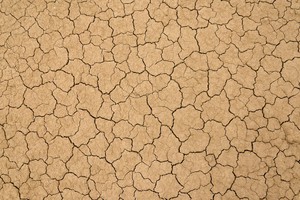
Severe dryness can lead to the skin actually cracking or splitting, creating painful fissures. This is common on areas that endure a lot of friction or pressure, like heels, fingertips, or knuckles. These cracks are more than cosmetic; they are tiny openings in your skin’s protective barrier, increasing the risk of infection. Healing them requires targeted care that goes beyond simple hydration to support skin repair and protect the vulnerable area.
5. Moisturizer Stings or Doesn’t Seem to Absorb
If applying your trusted moisturizer causes a stinging sensation, it’s a sign your skin barrier is severely damaged. Healthy skin shouldn’t sting from a gentle, fragrance-free moisturizer. Similarly, if the product just sits on top of your skin, feeling greasy or never truly sinking in, it suggests your skin’s natural lipid layer is so depleted it can’t properly interact with the product. The solution isn’t a heavier cream, but ingredients that help repair that barrier function.
6. The Dryness Is Widespread or Linked to Other Changes
Take a step back and look at the bigger picture. Is your dry skin suddenly much worse all over your body? Has it appeared alongside other changes, like unusual fatigue, hair loss, or feeling colder than usual? While often skin-deep, persistent, widespread dryness can occasionally be an external marker of internal factors, such as hormonal shifts (like thyroid issues) or nutritional deficiencies (like low essential fatty acids or vitamins).
Your skin is your body’s largest organ. When dryness is pervasive and stubborn, it’s worth considering what your whole system might be telling you.
What to Do When You Notice These Signs
First, don’t panic. These signs are guides, not diagnoses. Your next step is thoughtful observation and, often, a shift in your approach.
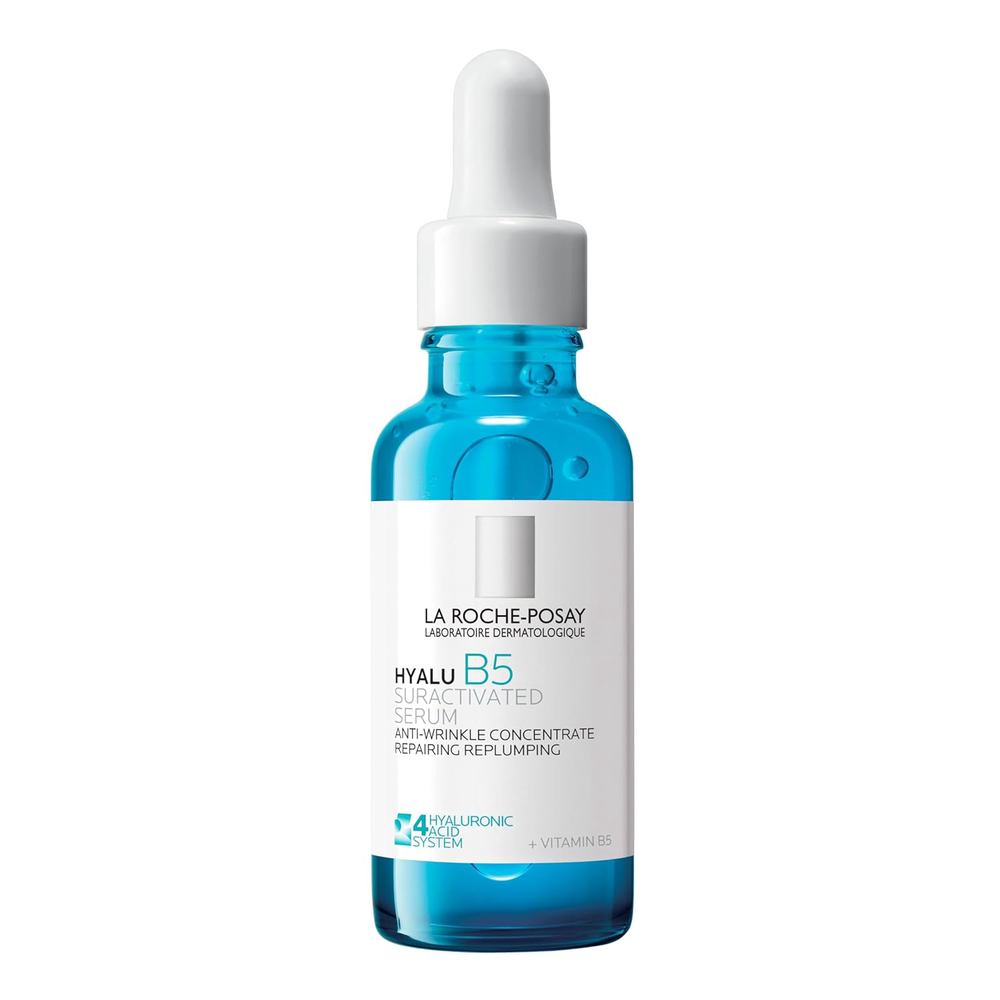
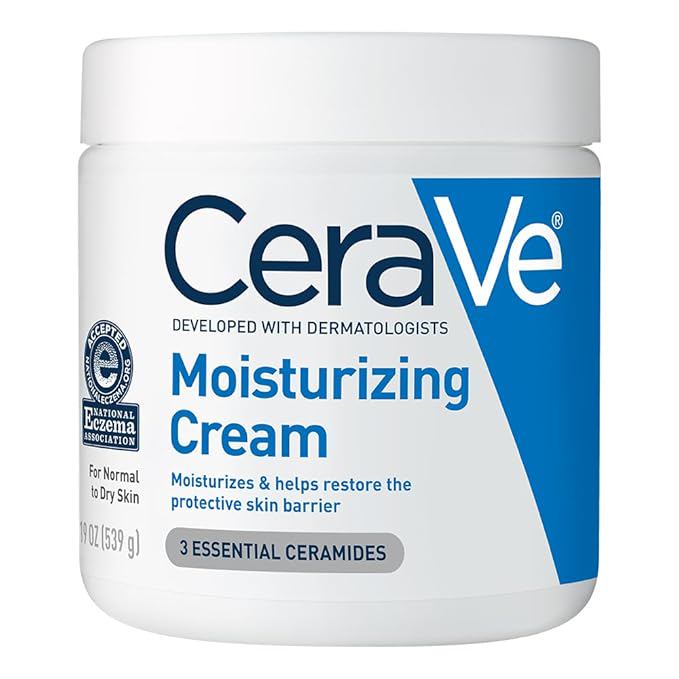
- Simplify and soothe: Immediately switch to a routine of gentle, fragrance-free cleansers and moisturizers. Look for ingredients like ceramides, glycerin, and hyaluronic acid, which support barrier repair.
- Consider potential triggers: Have you changed laundry detergents, soaps, or diets? Could environmental factors like hard water or extreme weather be playing a bigger role than you thought?
- Seek professional insight: If you’ve tried a simplified, repairing routine for a few weeks with no improvement—or if any sign is severe—consult a dermatologist or your primary care provider. They can help identify if there’s an underlying condition that needs specific management.
Understanding these warning signs empowers you to move from simply managing symptoms to nurturing your skin’s health more holistically. Sometimes, the best thing you can do for dry skin is to listen closely to what it’s trying to say.