
Acne treatments often walk a fine line between clearing breakouts and leaving your skin raw, tight, or stinging. A little dryness during the first few weeks can be a normal sign that your medication is working — but there is a clear difference between the mild, manageable flaking that passes and actual irritation that damages your moisture barrier.
When the skin barrier is compromised, it cannot hold onto water or defend against bacteria. Ironically, this can make acne worse in the long run, not better. Recognizing the early signs of over-treatment will help you adjust your routine before your skin becomes red, painful, or more congested than before.
1. Your skin feels tight and uncomfortable all day
Tightness that persists hours after washing — or gets worse as the day goes on — is a strong clue that your medication is stripping too many natural oils. Mild tightness right after cleansing that fades within 15 minutes is usually okay; if you can barely smile without feeling your skin crack or pull, your barrier is stressed.
This sensation happens when the medication reduces sebum production faster than the skin can compensate. Some prescription retinoids, benzoyl peroxide, and topical antibiotics are common culprits. If your face constantly feels like it is shrinking, your moisturizer or application schedule likely needs adjustment.
2. Noticeable redness beyond active breakouts
Acne itself can cause redness, but general redness spreading across non-acne areas — cheeks, jawline, temples — signals inflammation from the product, not from pimples. Look for a flushed or blotchy appearance that appears within hours of applying your medication and sticks around for most of the day.
This type of irritation often appears first on thinner skin areas such as the nose creases, around the mouth, and near the eyes (even if you avoid the eye area). Persistent redness that does not fade with a break from the medication is worth a conversation with your dermatologist.
3. Stinging, burning, or itching after application
A brief, mild tingle when you apply a strong active ingredient can be normal — lasting burning or stinging is not. If you feel a sharp or uncomfortable sensation each time you put on your medication, especially more than a few minutes after application, the product is overwhelming your skin.
Itching can also be a sign of contact dermatitis or an allergic reaction, particularly to ingredients like benzoyl peroxide or topical antibiotics. Never power through burning in the hope that your skin will eventually "toughen up." Your skin barrier does not become desensitized to chemical burns — it becomes more fragile.
A helpful check: Wait 30 minutes after washing your face to apply acne medication. Applying it to damp skin increases penetration and irritation. If waiting helps, your skin likely could not tolerate the full-strength application speed.
4. Peeling that does not stop or gets worse
Some flaking is common when starting a retinoid or high-concentration benzoyl peroxide — your skin may peel for two to three weeks before adjusting. But if you are still peeling heavily after a month, or the peeling spreads beyond the acne-prone areas, your medication concentration or frequency is too high.
Sheets of skin peeling off rather than fine, light flakes are a clear red flag. You may also notice that makeup, sunscreen, or moisturizer pills or rolls off your face because the dead skin layer keeps building up faster than it naturally sheds.
5. Your skin feels rough, bumpy, or crepey — not smooth
Irritated skin often develops a rough, sandpaper-like texture that has nothing to do with acne. Tiny bumps that are not pimples, a crepe-paper appearance around the cheeks and forehead, or a waxy look in the morning are all signs that the acid mantle is disrupted.
This texture change happens when moisture levels drop below a critical threshold. The skin cells themselves become dehydrated and start to curl at the edges, creating that uneven, bumpy feel. If your skin looks plump when you wake up but rough by noon, your daytime moisturizer is likely not compensating for your medication's drying effects.
6. Your acne is getting worse, not better
An over-irritated skin barrier triggers inflammatory signals that can actually increase breakouts. If you have been using your medication consistently for 8 to 12 weeks and your acne is more inflamed — redder, more painful, or spreading to new areas — the medication itself may be fueling the fire.
Sometimes this is confused with a "purge" (a temporary flare caused by the medication accelerating cell turnover). True purging happens mainly in areas where you normally break out and usually calms by week six. Widespread irritation breakouts appear in places you never had acne and do not follow a clear pattern.
What to do if you recognize these signs: Do not stop your prescription cold without checking with your doctor. Instead, ask about reducing frequency (every other night instead of nightly), buffering with a moisturizer before applying medication, or switching to a lower strength. A pea-sized amount is enough for your whole face — more product does not mean faster results.
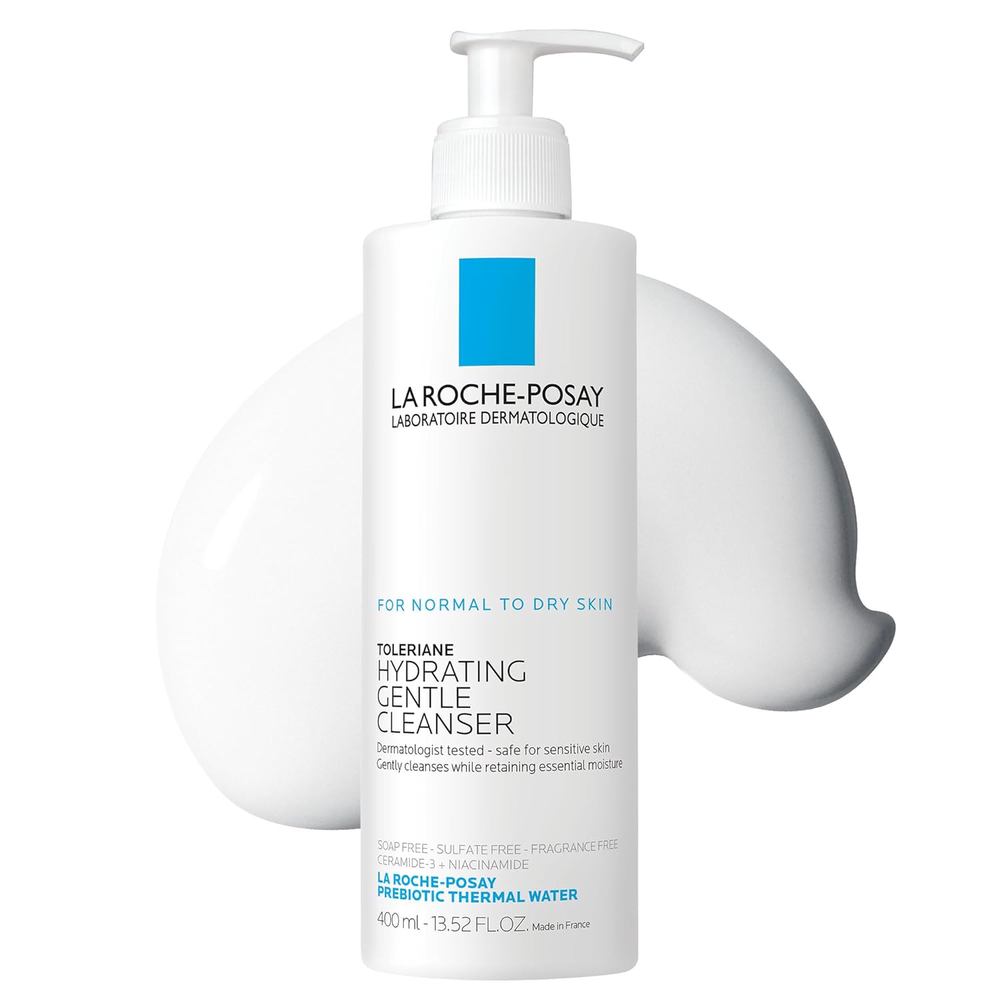
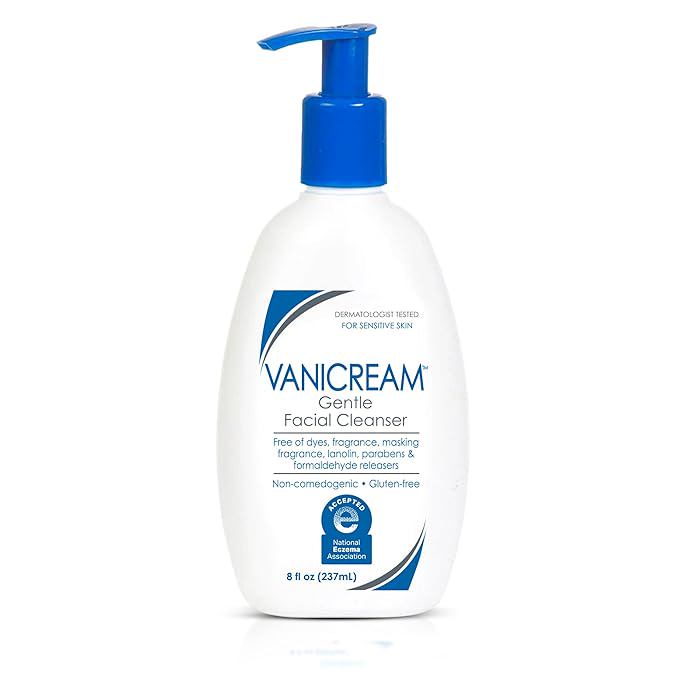
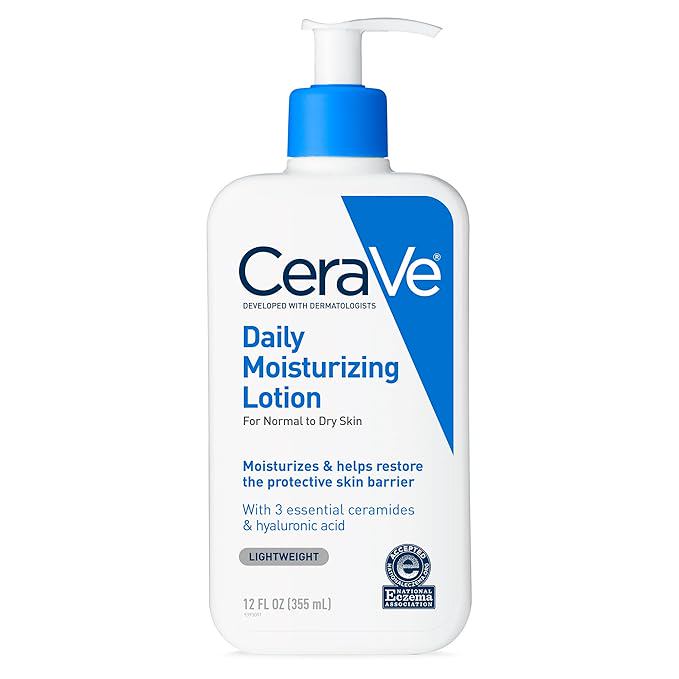
Simple adjustments like using a gentle, non-foaming cleanser and a fragrance-free barrier cream can often reverse these symptoms within a week. Your acne treatment should not feel unbearable. If it does, something in the approach needs to change.