Your skin barrier—the outermost layer of your skin—works hard to keep moisture in and irritants out. Think of it as a brick wall: skin cells are the bricks, and lipids (fats) are the mortar. When that mortar gets weak or develops cracks, the whole structure becomes unstable. You might not realize it, but your daily skincare habits could be the thing chipping away at that protective layer.
Here are six telltale signs that your routine may be doing more harm than good to your skin barrier, plus what to do about it.
1. Persistent redness or inflammation
If your face stays red, blotchy, or feels warm even hours after washing it, your barrier may be compromised. Many people mistake this for sensitivity or even rosacea, but it often stems from over-exfoliation, using too many active ingredients at once, or applying harsh cleansers that strip the skin’s natural oils. When the barrier is damaged, blood vessels dilate as the skin tries to repair itself, which shows up as that lingering flush.
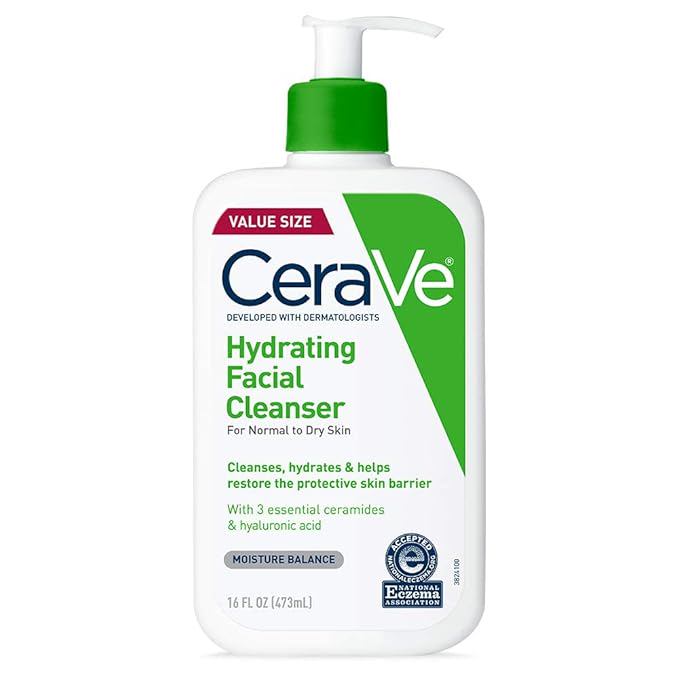
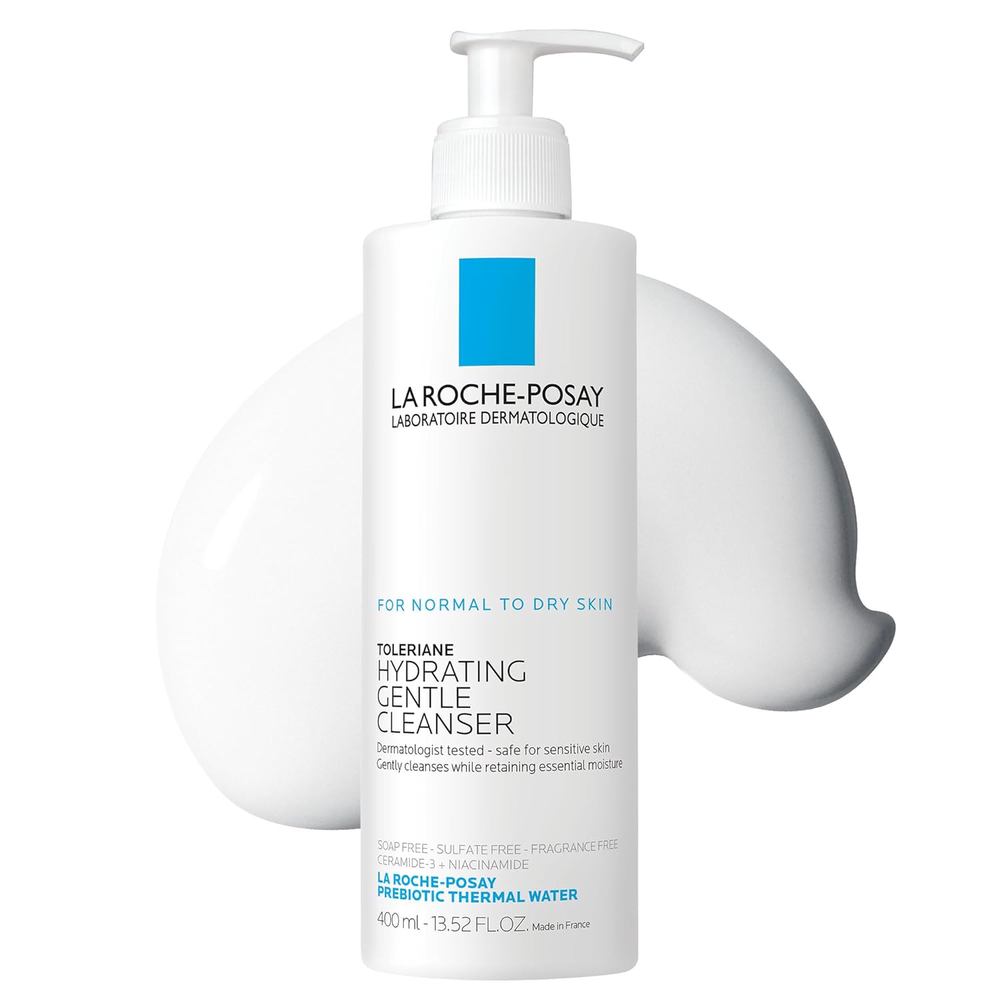
Try dialing back on scrubs, acid toners, and retinoids for a few days. Switch to a gentle, non-foaming cleanser and a simple moisturizer with ceramides or niacinamide to support repair.
2. Increased dryness and flaking
Skin that used to feel normal may suddenly become tight, rough, or visibly flaky. This is a classic signal that your barrier has lost too much water. The culprit is often a cleanser with sulfates, alcohol-based toners, or overuse of drying treatments like benzoyl peroxide or salicylic acid.
Instead of piling on more moisturizer, look at what you’re washing your face with. A cream or oil-based cleanser can remove makeup and sunscreen without stripping the skin. Follow with a moisturizer that contains humectants like glycerin or hyaluronic acid, sealed with an emollient to keep hydration locked in.
3. Stinging or burning when applying products
Does your face smart the moment you put on your moisturizer or serum? That isn’t normal—it’s a clear red flag. A healthy barrier should tolerate most skincare products without pain. When it’s weak, anything from vitamin C to a basic lotion can cause stinging because ingredients are penetrating too deeply and hitting nerve endings.
Stop using all active ingredients immediately. Give your skin a week of nothing but a gentle cleanser and a barrier-repair moisturizer. Once the stinging stops, reintroduce one active at a time, waiting a few days between each to see how your skin reacts.
4. Breakouts in unexpected places
Acne isn’t always caused by dirt or oil. When your barrier is damaged, your skin’s natural microbiome gets disrupted, and inflammation rises, which can lead to breakouts—often small, angry bumps in areas where you normally don’t get pimples. You may also notice that your usual acne treatments stop working or make things worse.
Try cutting your routine back to basics: wash, moisturize, and use a spf in the morning. Avoid harsh acne washes and spot treatments for at least two weeks. Look for moisturizers with soothing ingredients like centella asiatica or colloidal oatmeal.
5. A dull, rough-looking complexion
Healthy skin reflects light because its surface is smooth and even. When the barrier is damaged, the top layer becomes uneven and dehydrated, making skin look tired, gray, or rough no matter how much highlight you put on. Many people respond by scrubbing harder, which only worsens the cycle.
Skip all physical and chemical exfoliation for a couple of weeks. Hydrating sheet masks—used no more than twice a week—can help boost moisture without irritation. Stick to a moisture-rich routine and let the barrier rebuild itself.
6. Tightness after cleansing
If your face feels tight, squeaky, or like it’s been stripped immediately after washing, your cleanser is too aggressive. This is especially common with foaming gels and bar soaps. That tight feeling means your skin’s lipid barrier has been partially dissolved, leaving it exposed and vulnerable.
Switch to a hydrating cleansing milk or an oil-based balm. Water temperature matters too—use lukewarm water, not hot. Pat dry gently instead of rubbing, and apply moisturizer while skin is still slightly damp to seal in the hydration.
If you recognize two or more of these signs, it’s worth taking a break from your complex routine. A few weeks of gentle, minimal care can often restore balance, and your skin will let you know when it’s ready for more active products again.
Tip: Your skin barrier can repair itself if given a chance. Reduce your routine to the bare essentials—cleanse, moisturize, protect—until your skin feels calm and comfortable.