You’ve got your program, your lifting shoes, and a solid warm-up routine. But what you eat in the hours before you step under the bar can be the difference between a powerful, productive session and one that feels like a grind. For compound lifts—those foundational, multi-joint movements like squats, deadlifts, and bench presses—your body needs more than just energy; it needs the specific building blocks for strength and repair. That’s where strategic pre-workout protein comes in.
Think of it as laying the groundwork. Consuming a moderate amount of protein before your workout does two key things: it provides a ready pool of amino acids in your bloodstream to help blunt muscle breakdown during the intense stress of lifting, and it primes your body for the repair and growth that happens afterward. The goal isn’t a heavy, hard-to-digest meal, but a thoughtful source of high-quality protein that sits well and supports your effort.
What makes a good pre-lift protein source?
When you’re choosing what to eat before hitting compound lifts, you’re looking for a balance. The protein should be high-quality—meaning it contains all the essential amino acids your body can’t make on its own, particularly leucine, which is a key trigger for muscle protein synthesis. It should also be relatively easy to digest. A large, fatty steak an hour before squatting is a recipe for discomfort, not personal records.
Timing matters, too. A general window is 60 to 90 minutes before your session, but this depends on the size and composition of your meal. A smaller snack or liquid option might be fine 30-45 minutes out, while a more substantial meal needs more lead time. Listen to your body; the ideal pre-workout food should make you feel fueled, not full.
Six reliable options to consider
Here are six protein-rich foods that can effectively fuel your compound workouts. Each offers a slightly different profile, allowing you to choose based on your schedule, digestion, and taste.
Greek yogurt or skyr
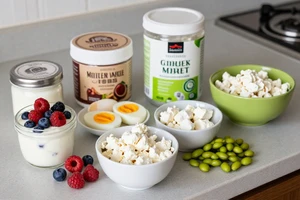
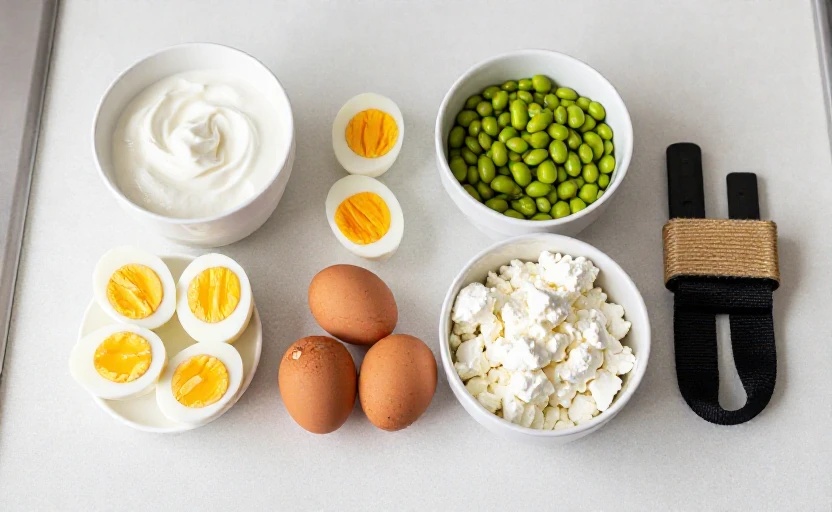
This is a classic for good reason. A single serving of plain Greek yogurt packs a dense protein punch—often 15 to 20 grams—with minimal lactose, making it easier to digest for many. It’s also a source of calcium. Pair a half-cup to a cup with a handful of berries or a drizzle of honey for a small amount of easily digestible carbohydrate. The thick, creamy texture tends to be satisfying without being heavy.
Opt for plain varieties to control added sugar, and let the natural tartness complement your fruit.
Eggs
Nature’s original protein package. Eggs are a complete protein, and they’re incredibly versatile. Having two or three hard-boiled eggs about an hour before your workout provides a steady release of amino acids. If you have more time, a simple scramble or omelet with some spinach works beautifully. The yolk contains important nutrients like choline and fats that can help with sustained energy, but if fats slow your digestion, you can include more whites.
Cottage cheese
Don’t overlook this old-school staple. Cottage cheese is a casein protein, which is slow-digesting. This means it provides a gradual, prolonged trickle of amino acids into your bloodstream, which can be excellent for a longer training session. A half-cup to a cup of low-fat or full-fat cottage cheese, perhaps with some pineapple or peach slices, combines slow protein with a bit of quick carbohydrate.
A lean chicken or turkey breast
For those who prefer a savory meal a couple of hours before an evening session, a palm-sized portion of lean poultry is a superb choice. It’s a very lean, complete protein that’s low in fat and fiber, reducing the chance of digestive upset. Think 3-4 ounces of grilled chicken alongside a small portion of white rice or a plain potato—simple, clean, and effective.
A protein smoothie
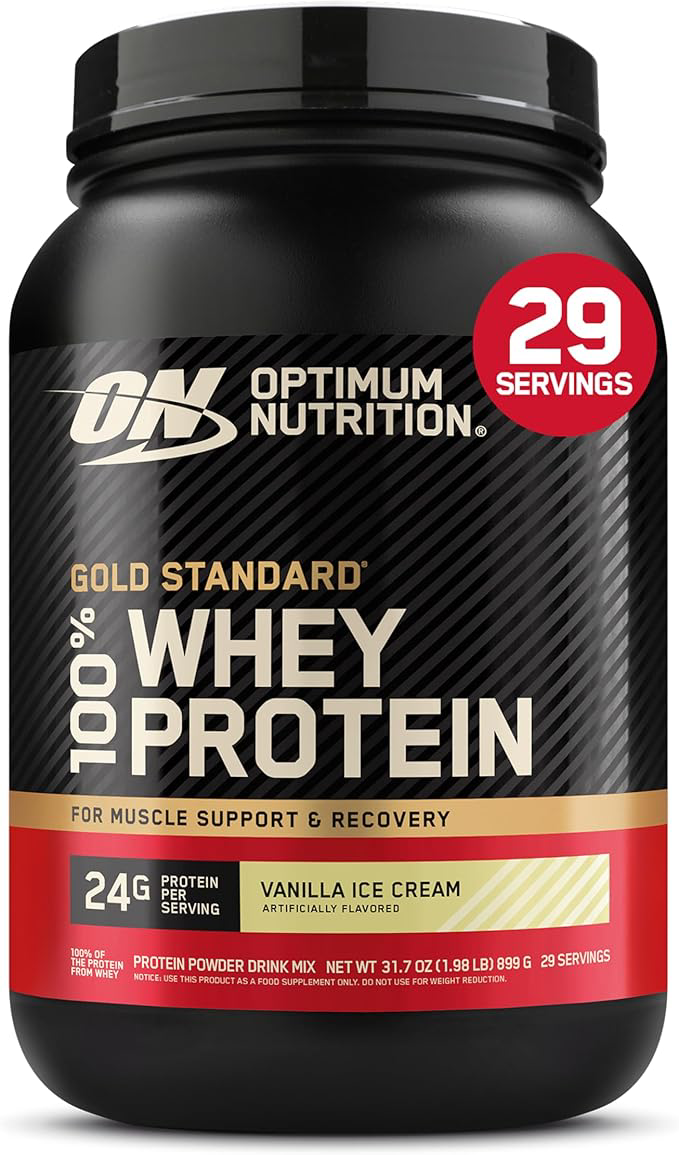
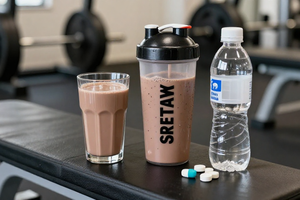
When time is short or solid food feels like too much, a smoothie can be the perfect solution. Blending a scoop of a quality protein powder (whey is famously fast-absorbing) with water, a milk alternative, or a small banana gives you precise control over protein and carb content. It’s liquid, so it digests quickly and hydrates you simultaneously. Keep it simple to avoid digestive surprises mid-lift.
Edamame
For a plant-based option that’s both convenient and nutritious, steamed edamame is a great pick. These young soybeans are a complete plant protein and also provide fiber, which can help with a steady energy release. A half-cup of shelled edamame offers about 8-9 grams of protein. Sprinkle with a little sea salt for a satisfying, portable snack about an hour before you train.
Putting it into practice
The best pre-workout nutrition is the one you’ll consistently do and that makes you feel strong. Start with a modest amount of protein—20 to 30 grams is a common range—and see how you respond. Your pre-lift meal isn’t the place for experimentation; stick with foods you know agree with you.
Remember, hydration is part of this equation, too. Drink water steadily throughout the day and in the hour leading up to your workout. Being even mildly dehydrated can significantly impact strength and performance.
Finally, view your pre-workout protein as one part of a larger nutritional strategy. What you eat throughout the rest of the day to meet your overall protein and energy needs matters just as much, if not more, for long-term progress. Use these foods as reliable tools to prepare your body for the demands of heavy compound lifts, so you can train with focus and finish strong.