You put in the work. You push through the final rep, finish the last mile, and walk out of the gym knowing you’ve challenged your body. But what happens in the kitchen afterward can either amplify that effort or quietly undermine it. Muscle recovery isn’t passive; it’s an active process your body undertakes, and the fuel you provide is the raw material it uses to repair and grow stronger.
Too often, well-intentioned meal prep habits can accidentally create roadblocks to this process. It’s not just about eating enough protein or drinking a shake. The timing, composition, and even the temperature of your post-workout meals play a subtle but significant role. Let’s look at some common prep missteps that might be slowing your recovery without you realizing it.
Mistake 1: Skipping the Carb-Plus-Protein Combo
It’s easy to focus solely on protein after a workout, envisioning it directly building new muscle fibers. While protein is essential, using it efficiently requires a helper: carbohydrates. Intense exercise depletes your muscles’ stored glycogen, their primary energy source. Replenishing this glycogen is a key part of recovery.
When you pair a quality protein source with carbohydrates, you create a more effective recovery environment. The carbs stimulate insulin release, a hormone that helps shuttle amino acids from the protein into your muscle cells. This not only aids protein synthesis for repair but also refuels your energy stores for your next session. A post-workout plate of just chicken breast misses this synergistic opportunity. Think of it as providing both the building materials and the construction crew.
Your muscles need to refuel and repair. Carbohydrates restock energy stores, while protein provides the amino acids for muscle repair. Together, they work better.
Mistake 2: Waiting Too Long to Eat
The “anabolic window” has been debated, but the core principle holds: delaying your post-workout meal for several hours is a missed opportunity. After exercise, your muscles are primed to absorb nutrients. Blood flow is increased, and cellular pathways involved in muscle repair are activated.
Waiting too long can leave this heightened state of readiness underutilized. It can also prolong the catabolic (breakdown) state induced by training. The goal isn’t to panic and gulp down a meal the second you stop, but to plan a balanced meal or snack within 1-2 hours. If you prep meals that require extensive reheating or assembly when you’re already tired and hungry, you’re more likely to delay. Simplicity wins here.
Mistake 3: Overlooking Hydration in Your Meal Prep
We often think of hydration as the water bottle in our gym bag, not an ingredient in our meal prep. But fluids are a cornerstone of recovery. Water transports nutrients to your cells, helps regulate body temperature, and is crucial for every metabolic process involved in repairing tissue.
If your prepped meals are dry—think baked chicken, roasted broccoli, and plain rice—you might not be supporting optimal fluid intake with your food. Including water-rich components can make a difference. Adding a side of cucumber slices, a broth-based soup, or watermelon chunks to your post-workout container contributes to overall hydration. It’s a subtle shift that supports the systemic recovery process.
Mistake 4: Relying on the Same Protein Source Every Day
Consistency is great, but rigidity can have drawbacks. If your post-workout meal is always chicken, or always whey protein, you’re getting a consistent but limited amino acid profile. Different protein sources contain varying levels of the nine essential amino acids your body can’t make.
Variety ensures a broader spectrum of these building blocks. For instance, lysine, abundant in legumes and fish, plays a role in calcium absorption and collagen formation, which is important for connective tissue health. By rotating through sources like eggs, Greek yogurt, lentils, fish, and lean beef throughout your week of preps, you provide your body with a more complete toolkit for recovery.
Mistake 5: Preparing Meals That Are Difficult to Digest
After a hard workout, blood flow is redirected toward your working muscles, not your digestive system. This is why a giant, heavy, fiber-packed meal might sit uncomfortably or slow the delivery of nutrients when you need them most.
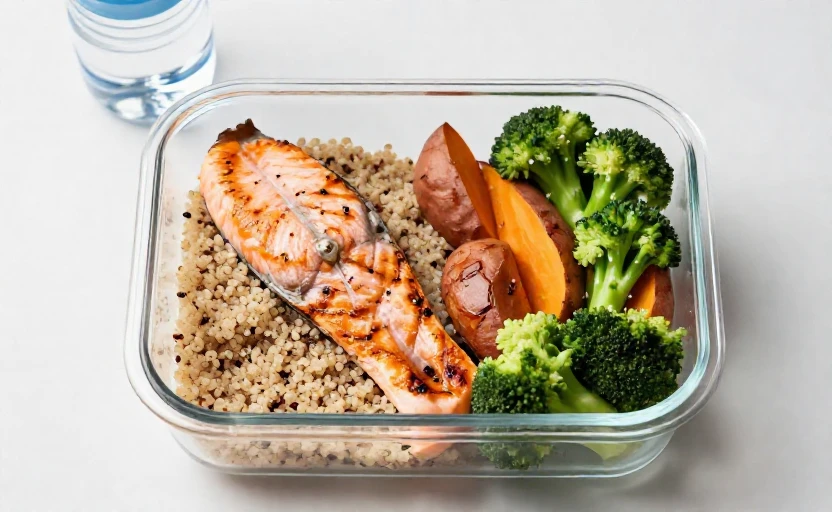
This doesn’t mean avoiding fiber altogether, but being strategic. Save the huge kale salad or bean-heavy chili for later meals. Your immediately post-workout prep should focus on easily digestible carbohydrates (like white rice, sweet potato, or fruit) and lean proteins. These are broken down and utilized more quickly, getting nutrients into your system without demanding extensive digestive effort when your body is focused elsewhere.
Mistake 6: Ignoring Anti-Inflammatory Foods
Exercise creates beneficial, acute inflammation that signals the repair process. However, a diet consistently lacking in anti-inflammatory compounds might allow this inflammation to linger or become less productive.
Your meal prep is a perfect place to incorporate foods that help modulate this inflammatory response. This isn’t about special supplements; it’s about whole food ingredients. Adding a handful of berries to your post-workout yogurt, using turmeric and black pepper in a marinade, drizzling olive oil on your vegetables, or including fatty fish like salmon in your rotation can provide natural polyphenols and omega-3s that support the body’s recovery pathways.
Putting It Into Practice
So what does a well-considered post-workout prep look like? It’s balanced, timely, and gentle on the stomach. Instead of plain grilled chicken, try chicken with a maple-dijon glaze (carbs + protein) served with mashed sweet potato. Instead of a dry tuna packet, mix canned salmon with a little olive oil mayo and serve it on whole-wheat crackers with sliced bell peppers on the side for hydration and crunch.
The goal is to move from seeing post-workout nutrition as just a protein checkpoint to viewing it as a strategic recovery session. By adjusting your meal prep to avoid these common mistakes, you’re not just feeding yourself—you’re directly supporting the hard work you’ve already done and actively preparing your body to come back stronger.