
You're doing all the right things. You wash your face, you avoid touching your chin, you even swapped your pillowcase last week. Yet, without fail, that familiar, deep-set blemish appears along your jawline or on your chin right before your period. If this sounds familiar, your skincare routine may not be the problem. The real culprits might be hiding in plain sight — tucked into your daily habits, your diet, and the rhythm of your day-to-day life.
Hormonal acne isn't like the surface-level pimples you might get from a dirty phone screen. It's driven by fluctuations in androgens like testosterone, which stimulate your sebaceous glands to produce excess oil. While you can't stop your hormones from fluctuating, you can manage the external and internal factors that make those fluctuations worse. Here are six unexpected triggers that might be stirring up your breakouts.
1. The Morning Latte That Spikes Your Blood Sugar
Your morning coffee ritual — especially if it involves a syrupy latte or a sugary blended drink — could be sending your insulin levels on a rollercoaster before 9 a.m. High-glycemic foods and beverages cause a rapid spike in blood sugar, which triggers a cascade of hormonal reactions. Your body releases insulin and insulin-like growth factor 1 (IGF-1), both of which encourage your skin to produce more sebum and skin cells — a perfect recipe for clogged pores.
Consider this: Swapping your sweetened latte for a plain coffee or matcha with a splash of unsweetened milk can help stabilize your blood sugar. If you need a bit of sweetness, a pinch of cinnamon adds flavor without the spike.
This doesn't mean you have to give up coffee. It's the added sugar and dairy that often compound the problem. Dairy itself can be a trigger for some people, as it contains hormones and bioactive molecules that may influence your own hormone levels.
2. Your Post-Workout Protein Shake
You're crushing your fitness goals, but that whey protein powder you're blending every day might have an unintended side effect. Whey and casein, both derived from milk, can increase levels of IGF-1 in the body. For individuals prone to hormonal acne, this can be a direct link to increased oil production and pore-clogging inflammation.
Plant-based protein powders, such as those made from pea, hemp, or brown rice, are a gentler alternative. They provide the protein your muscles need to recover without the dairy-related hormonal interference. Read labels carefully — many plant blends still contain added sugars or artificial sweeteners that can also disrupt your skin.
3. The Late-Night Phone Scroll Disrupting Your Sleep Cycle
Blue light from your phone, laptop, or tablet does more than strain your eyes — it interferes with your circadian rhythm. Poor sleep quality directly impacts cortisol, your primary stress hormone. Elevated cortisol levels can prompt your skin to produce more oil, and it also sensitizes your sebaceous glands to androgens, making them overreact to even normal hormone fluctuations.
When you don't get enough deep sleep, your body's ability to regulate inflammation and repair skin tissue is compromised. You might wake up not just tired, but with a new breakout. The fix isn't complicated, but it takes discipline: set an electronics curfew for 60 to 90 minutes before bed. Use that time to read a physical book, do some light stretching, or take a warm bath. Your skin (and your brain) will thank you.
4. Hidden Stressors in Your Skincare Products
It seems counterintuitive, but some of the products you use to treat acne could be aggravating your hormonal breakouts. Harsh, stripping cleansers and alcohol-based toners can damage your skin barrier. When your skin barrier is compromised, moisture escapes and your skin's pH balance is thrown off. In response, your sebaceous glands can go into overdrive, producing even more oil to compensate.
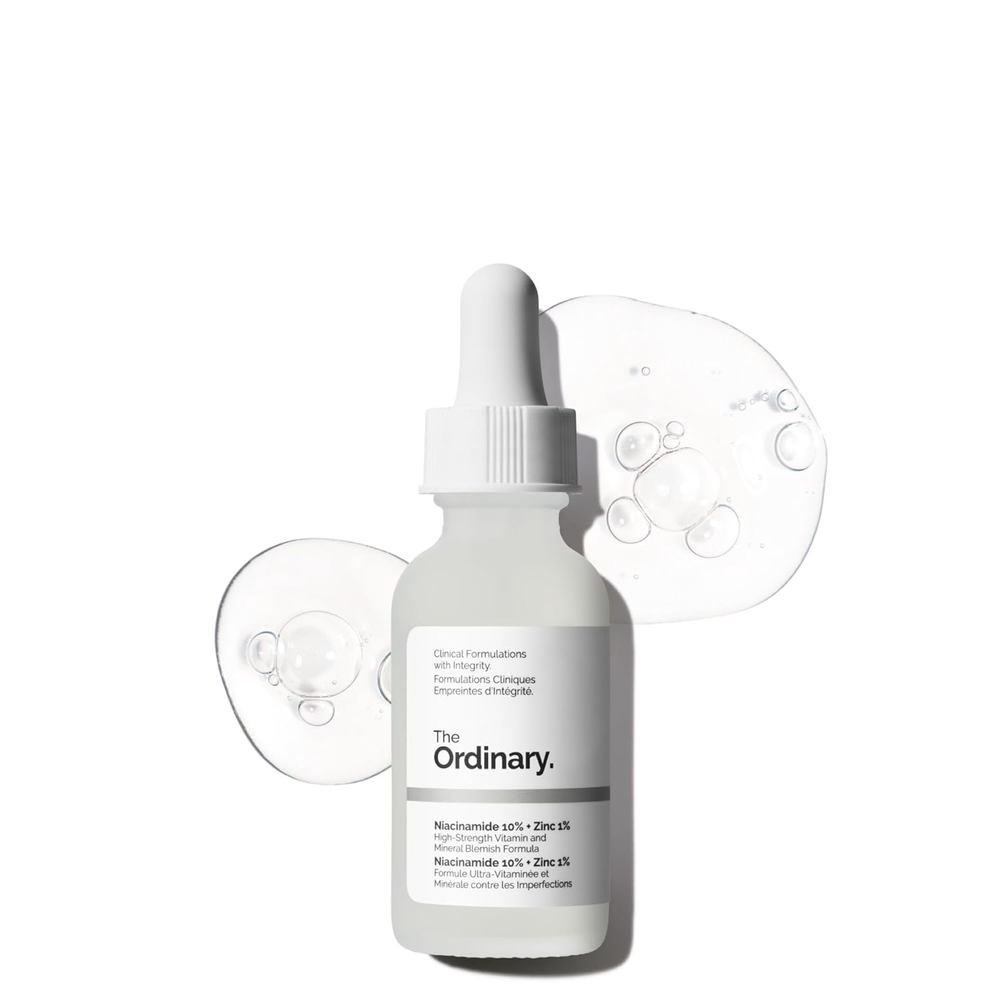
Look for gentle, non-comedogenic cleansers and moisturizers that respect your skin barrier. Key ingredients like niacinamide, ceramides, and soothing agents such as green tea or centella asiatica can help calm inflammation without triggering more oil production. A damaged barrier can look like acne, but it's also more reactive to the hormonal changes happening beneath the surface.
5. Your Lunchtime Salad Dressing
You chose the salad, which is a win. But the dressing — especially if it's a commercial, bottled variety — is often loaded with refined seed oils high in omega-6 fatty acids. While your body needs some omega-6s, a high ratio of omega-6 to omega-3 fatty acids promotes systemic inflammation. Chronic inflammation can worsen acne and make your skin more sensitive to hormonal shifts.
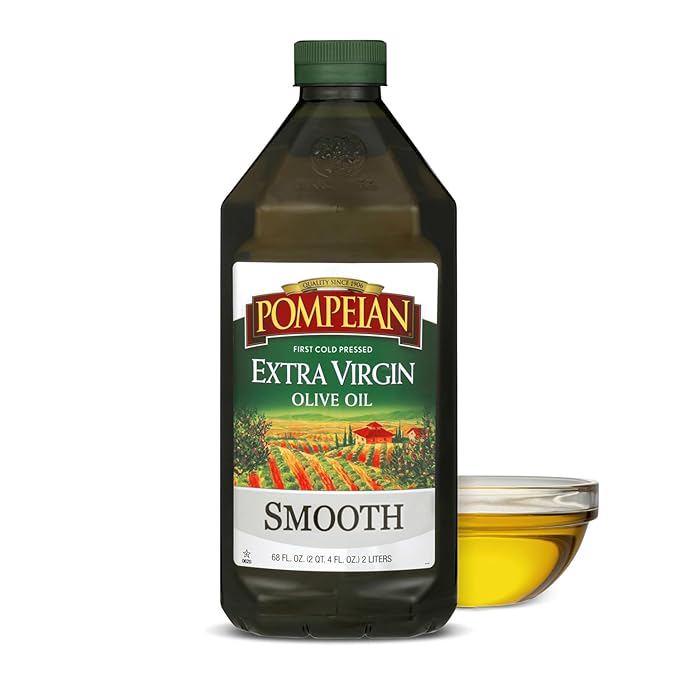
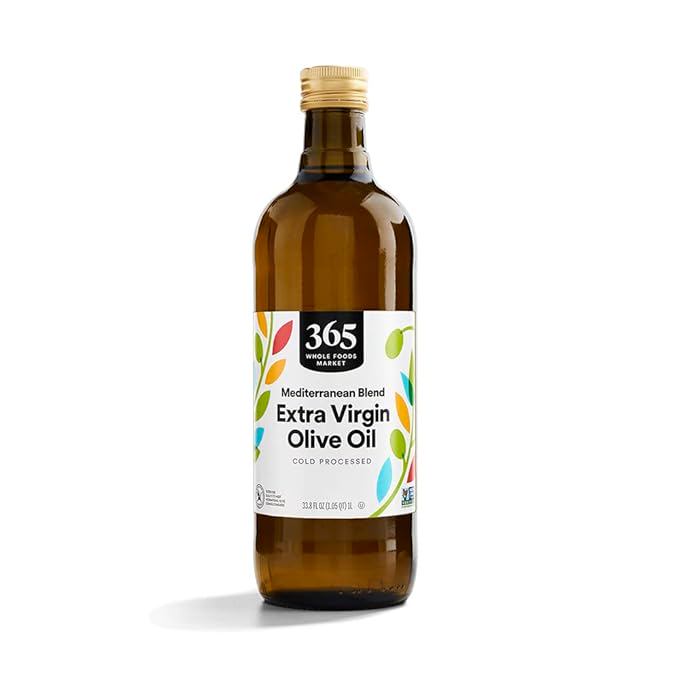
A simple swap is to make your own dressings using olive oil (rich in anti-inflammatory compounds) and a splash of apple cider vinegar or lemon juice. Walnut oil and flaxseed oil are also good options if you're looking for different flavors. Keeping your fatty acid ratio balanced can help calm the inflammatory response that makes hormonal acne flare up.
6. The Vitamin or Supplement You're Overdoing
More is not always better, especially when it comes to certain vitamins. Vitamin B12 is an essential nutrient, but in high doses — particularly from synthetic supplements — it can alter the activity of skin bacteria. Some studies have shown that high doses of B12 can promote inflammation in the skin microbiome, leading to acne breakouts in people who are already susceptible.
Another common culprit is iodine, found in many multivitamins and seaweed-based supplements. Excessive iodine can cause acne-like eruptions, particularly around the chin and jawline. If you're taking a high-dose B-complex or a multivitamin with iodine, consider whether your diet already provides enough of these nutrients. Always talk to a healthcare provider before adjusting your supplement regimen, but do be aware that sometimes less is more when it comes to your skin.
Hormonal acne often feels like a personal betrayal, but knowing your triggers puts the control back in your hands. Start with one small change — swap your afternoon drink, turn off your phone an hour earlier, or switch your protein powder — and see how your skin responds over the next month. You don't have to overhaul your whole life at once. Small, consistent changes can break the cycle and give your skin the clarity you deserve.